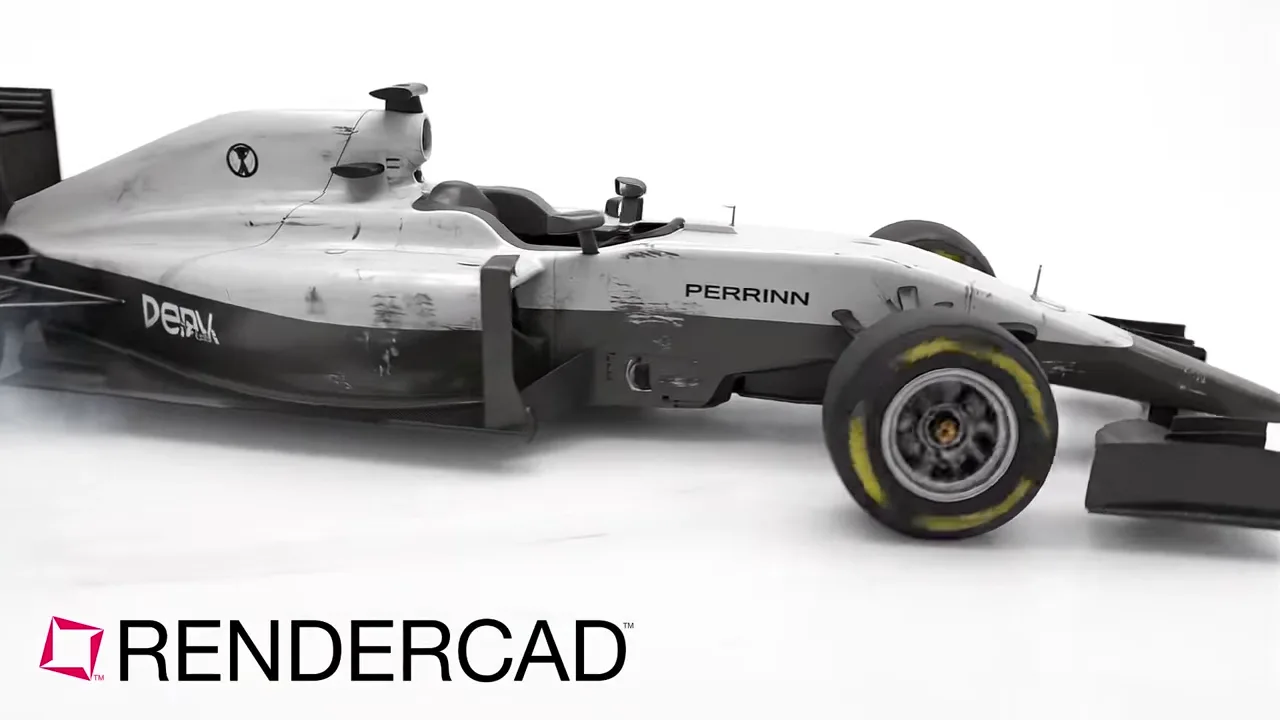
Polished visuals for Creo Direct concepts, imported-model changes, and fixture layouts.
Creo Direct is PTC direct modeling CAD for creating new geometry and revising existing 3D designs, including third-party CAD data. Its geometry-first workflow is useful when a concept, customer-requested change, imported component, or tooling fixture needs to be understood quickly without rebuilding the original feature history. A carefully prepared shaded viewport can turn that working model into a strong starting point for a clearer product or engineering communication image.


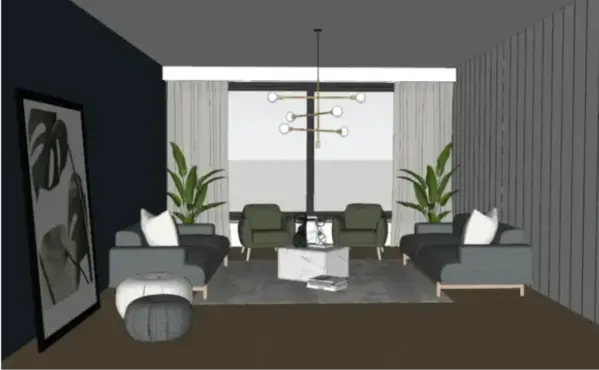
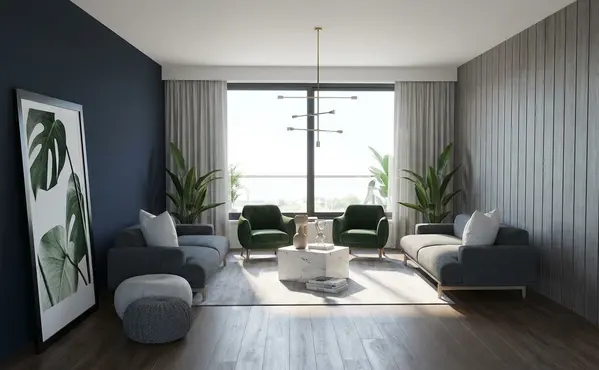
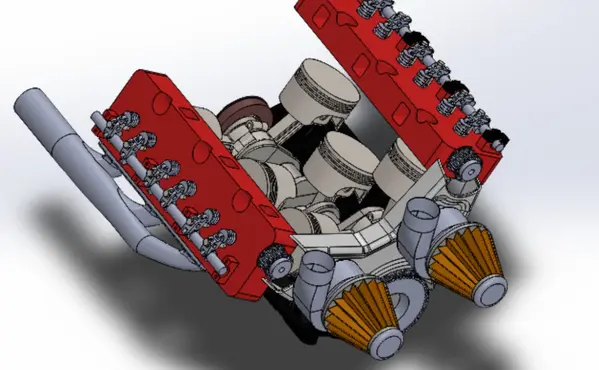


Creo Direct is PTC direct modeling CAD for creating new geometry and revising existing 3D designs, including third-party CAD data. Its geometry-first workflow is useful when a concept, customer-requested change, imported component, or tooling fixture needs to be understood quickly without rebuilding the original feature history. A carefully prepared shaded viewport can turn that working model into a strong starting point for a clearer product or engineering communication image.
Creo Direct is designed for direct interaction with 3D geometry, so teams can explore a proposal alternative, respond to customer input, adjust an imported part, or shape a jig or fixture layout without depending on the source model's feature history. That makes the selected viewport especially important: it can show exactly what changed, how a replacement component sits in an assembly, or how a fixture relates to the part it supports. Once the design discussion has a stable view, RENDERCAD can turn a clean shaded capture into a more polished visual for a proposal, review deck, feedback session, manufacturing conversation, or early sales image. It is most useful for communicating form, finish, and context, rather than proving fit, dimensions, tolerances, or manufacturing readiness. Keep Creo Direct as the source of truth for the editable geometry and technical decisions.
In Creo Direct, finish the concept, imported-model modification, or fixture layout and inspect the geometry before choosing the view to present. Frame the part or assembly at an angle that reveals the revised faces, interfaces, clearance areas, or fixture contact points. Use a readable shaded display, then hide temporary construction items, analysis overlays, dimensions, and identifiers that should remain technical or confidential. Capture the clean viewport and use RENDERCAD to develop lighting, material cues, grounded shadows, and a restrained presentation background that suits the audience. Compare the result with the CAD viewport before sharing it, and return to Creo Direct whenever an engineering change affects the geometry or view.
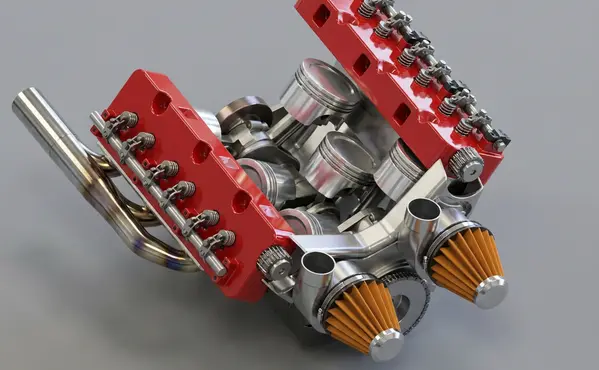
Modeled by CADSharp in Onshape. Rendered with RENDERCAD.
Add | Change | or Remove referenced objects with the stroke of a brush.
RENDERCAD uses a maintained selection of image-generation models for different rendering tasks. Results can vary by model and input, so compare generated output with the source design before relying on geometry, materials, or dimensions.
| Feature | RENDERCAD | Competitor |
|---|---|---|
| Engine | Generative AI | Varies by tool |
| Output | Images + Video | Varies by tool |
| Resolution | HD / 4K | Varies by workflow |
| Image Speed | Image renders complete in 60 seconds. | Varies by scene/tool |
| Video Speed | Videos complete in 2-5 minutes. | Varies by workflow |
| Scene Set Up | No separate local scene | Varies by workflow |
| Input | Screen Snip | Varies by tool |
| Hardware | Cloud GPU | Often local GPU/CPU |
| Install | None | Varies (web or app) |
| Cost | from $9/mo | Varies widely |
Read the numbers. We trust you to know theirs.
Skip a separate local scene build. Pick a condition, material, and background while RENDERCAD handles the image-generation step. Image renders complete in 60 seconds.
 ™
RENDERCAD™
™
RENDERCAD™
Use the browser workflow directly, capture a selected view with the desktop app, or start from the browser extension.
Get StartedCommon solutions for Creo Direct users
Add phrases like "Light from left," "Backlit," or "Top down lighting" to your custom prompt in RENDERCAD.
Upload a CAD screenshot, real photo, or hand drawing, open the Video panel, and choose an available duration, camera preset, and product motion. Videos complete in 2-5 minutes.
Submit a clear viewport screenshot to the web workflow instead of running a local scene render. The generation request runs in the cloud while your source application remains separate.
Open the current desktop app or browser extension, select the viewport region, and send the captured image into the screenshot-based workflow. Availability and device requirements are documented on the current download pages.
Use the web upload workflow, the current desktop capture app, or the browser extension to submit a selected 2D view. This is a screenshot workflow, not a native CAD-file or renderer integration.
It supports fast visual feedback from a clear viewport capture. Image renders complete in 60 seconds.
The current desktop app or browser extension can capture a selected viewport region and send that screenshot into the image workflow. The web upload path remains available without a CAD plugin.
Choose a background or describe the intended environment and lighting. Generated reflections and illumination are visual interpretations, not a scene-based light simulation.
4K is an optional output-resolution step. It increases pixel dimensions but does not restore missing source detail or guarantee print suitability.
It guides the video toward a looping transition. Review continuity after export because the first and last frames may still need editing.
A material photo can communicate grain, color, and finish more directly than text alone. Compare the result with the intended material because scale and orientation can drift.
Masking lets you target a region of a CAD screenshot, real photo, or hand drawing with a reference image or instruction. Generation can still affect other regions, so inspect the full result.