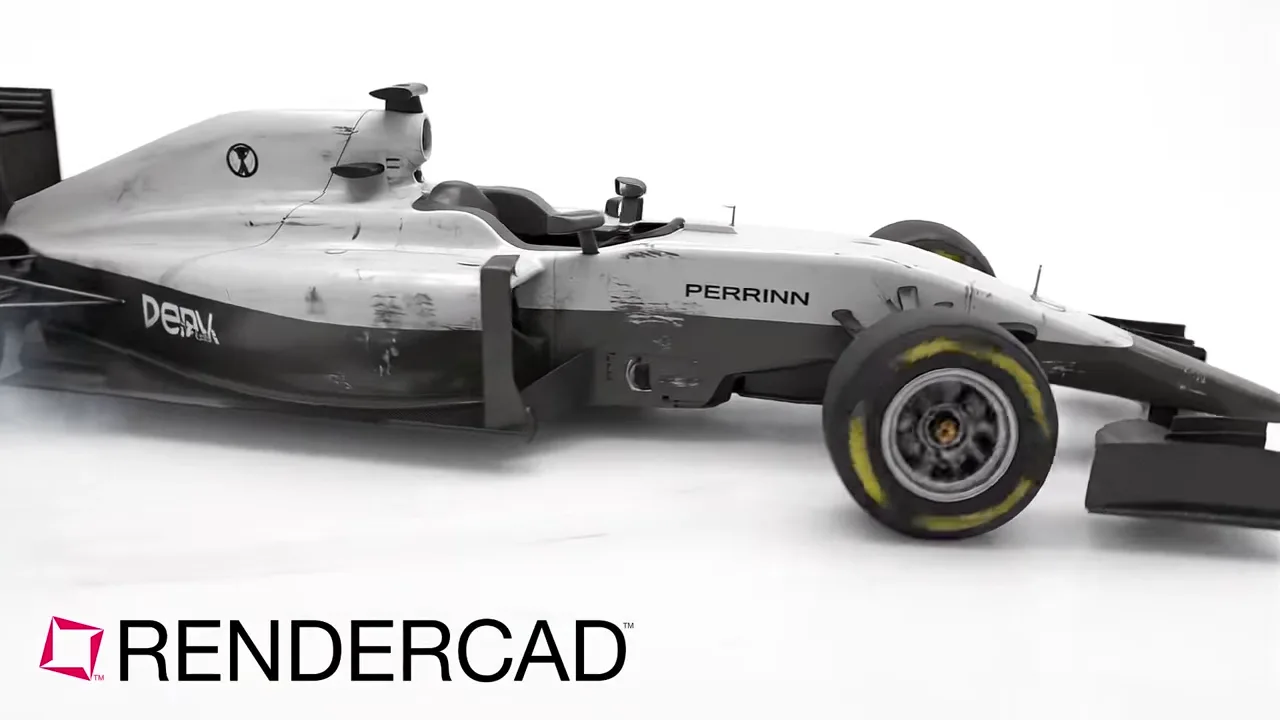
Create stunning photorealistic images and videos from any CAD system, real life photo, or even a quick napkin sketch.
IMAGE RENDERS COMPLETE IN 60 SECONDS.


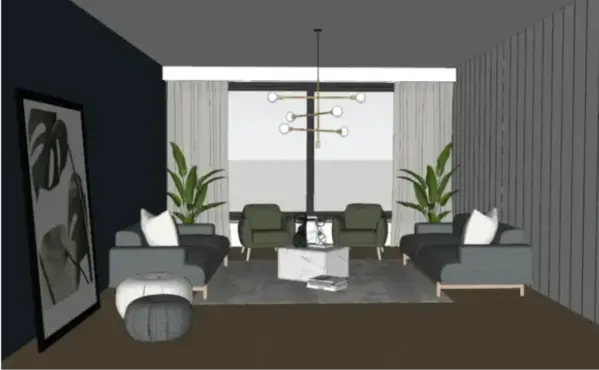
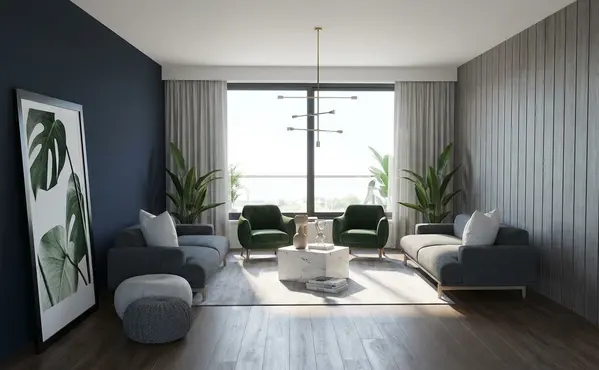


Cinema 4D Standard is Cinema 4D's established built-in renderer for producing stills and animation frames from a prepared C4D scene. It remains available for older projects and special workflows that rely on classic Cinema 4D materials, lights, cameras, render settings, or Standard-specific behavior. Redshift is the default renderer for current Cinema 4D scenes, but Standard can remain the appropriate source of truth when changing renderers would alter an approved look or require scene conversion.
Choose Cinema 4D Standard when a maintained C4D scene is the deliverable source of truth: its classic materials, assigned textures, lighting, camera framing, render effects, and output controls can be preserved for native stills or frame sequences. RENDERCAD serves a different stage of the visual workflow. Start with a clear design viewport, CAD model view, product angle, or architectural screenshot, then use it to explore polished presentation directions without first rebuilding geometry, materials, and lighting in Cinema 4D. This is particularly useful for early product visuals, concept presentations, and marketing image options. For final animation continuity, exact material response, multi-pass compositing, or a scene that must remain editable in C4D, render from the Cinema 4D project instead.
Cinema 4D Standard renders a scene that has already been assembled inside Cinema 4D. A typical workflow imports or builds the 3D assets, assigns classic materials and textures, positions lights and a camera, chooses Standard in Render Settings, and defines image or sequence output. This control is valuable for older projects where the existing scene setup and renderer behavior need to remain intact. Cinema 4D documentation identifies Redshift as the default renderer for current workflows, while Standard remains available for older or special projects; it is therefore sensible to check renderer compatibility before revising an established file.
RENDERCAD does not import a C4D scene or reproduce its renderer settings. Use a legible screenshot from the Cinema 4D viewport or another design application, ideally showing the chosen angle, model silhouette, major openings, and relevant product details. It can help turn that reference into alternate polished still-image directions for design reviews, client decks, catalog exploration, or marketing concepts. Keep Cinema 4D Standard for frame-accurate animation, exact classic-material behavior, render passes, simulations, and any deliverable that must be revised as a native C4D scene. For current RENDERCAD API implementation guidance, see RENDERCAD developer documentation.
Screenshot the CAD viewport you already have, render in the browser, and download a client-ready still or video without exports, plugins, or GPU setup.
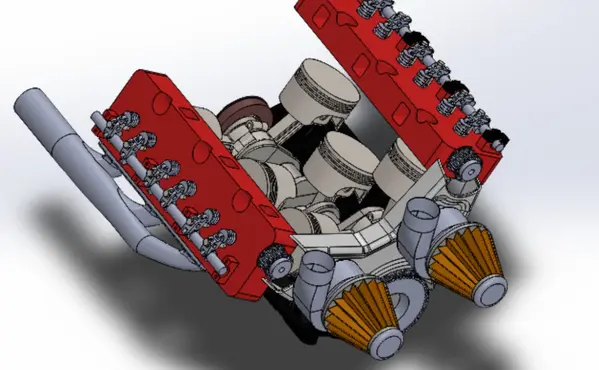
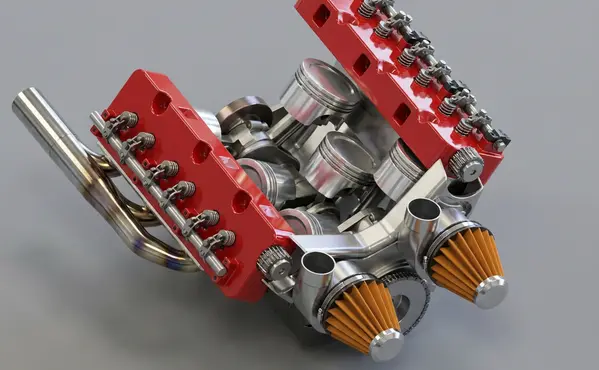
Modeled by CADSharp in Onshape. Rendered with RENDERCAD.
Add, change, or remove referenced objects with the stroke of a brush.
RENDERCAD uses a maintained selection of image-generation models for different rendering tasks. Results can vary by model and input, so compare generated output with the source design before relying on geometry, materials, or dimensions.
| Feature | RENDERCAD | Cinema 4D Standard |
|---|---|---|
| Engine | Generative AI | Legacy built-in Cinema 4D renderer |
| Output | Images + Video | Still images, image sequences, and animation frames through Cinema 4D render settings |
| Resolution | HD / 4K | Configured in Cinema 4D Render Settings |
| Image Speed | Image renders complete in 60 seconds. | Varies by scene, resolution, effects, and hardware |
| Video Speed | Videos complete in 2-5 minutes. | Frame-by-frame animation rendering; timing depends on scene and hardware |
| Scene Set Up | No separate local scene | Build or import a Cinema 4D scene, assign materials, set lights and cameras, then configure render output |
| Input | Screen Snip | Prepared Cinema 4D scenes with modeled or imported assets, cameras, lights, and classic materials; RENDERCAD uses a clear design or viewport image |
| Materials | 2,600+ Textures | Classic Cinema 4D materials and textures, plus scene lights, cameras, and Standard renderer settings |
| Backgrounds | 1300+ Backgrounds | Tool-dependent |
| Conditions | 40+ Effects | Tool-dependent |
| References | Up to 6 Per Render | Varies |
| Hardware | Cloud (None Required) | Cinema 4D desktop and command line render workflows |
| Install | None | Installed with Cinema 4D |
| Cost | from $9/mo | Requires Cinema 4D licensing |
Compare the workflows side by side and choose the one that fits the next task.
Skip a separate local scene build. Pick a condition, material, and background while RENDERCAD handles the image-generation step. Image renders complete in 60 seconds.
 ™
RENDERCAD™
™
RENDERCAD™
Use the browser workflow directly, capture a selected view with the desktop app, or start from the browser extension.
Get StartedCommon questions about RENDERCAD and this workflow
Yes. A clear viewport capture can become a more polished visual for a design review. Image renders complete in 60 seconds, making it practical to prepare or iterate presentation options.
RENDERCAD is designed to create more polished, realistic-looking presentation images from a source view. Results vary by input and settings, and generated images should be checked against the original model before they are used to communicate exact design details.
Upload a clear view, describe the brushed-aluminum finish you want, and add a material reference when the visual direction matters. Because the result is generated from an image, inspect the grain direction and surface details against your original design before using it in a final presentation.
Describe the wood species and finish you want, and provide a reference image when scale or grain direction matters. RENDERCAD can generate a wood-like visual treatment, but it does not replace model-level texture mapping or guarantee an exact, repeatable grain pattern.
Start with a clear source view, choose a simple background, and describe the studio look you want. RENDERCAD can generate a presentation image without requiring you to build a traditional light rig, but the lighting is image-based and should be reviewed rather than treated as a physically measured setup.
Yes. Request a golden-hour look and describe the mood or direction you want. The generated warmth, shadows, and light direction can vary between results, so compare important design details with the source image.
The Seamless Loop option is designed to improve continuity between the end and beginning of a generated video. Inspect the transition before publishing because generative motion and loop quality can vary by image and model.
RENDERCAD's Create Video workflow generates a video from a single image and provides Camera and Product Motion controls. Videos complete in 2-5 minutes.
RENDERCAD image renders complete in 60 seconds. Competing renderer speed depends on scene complexity, render settings, hardware, queue time, and final output quality.
Usually. Generation runs in the cloud, so it does not occupy a local renderer. Keep the relevant browser workflow available as required, and expect normal network and browser resource use while the job is submitted and results are loaded.
RENDERCAD starts from a supported 2D image such as a CAD viewport capture, product photo, or drawing. You do not need to import the native 3D scene, but you may need to capture or export a clear image from the source application first.
RENDERCAD avoids much of the scene, shader, and local-renderer setup used by traditional rendering tools. Users still need to prepare a useful source image, choose suitable options, describe the intended result, and review generated details.
What RENDERCAD customers say