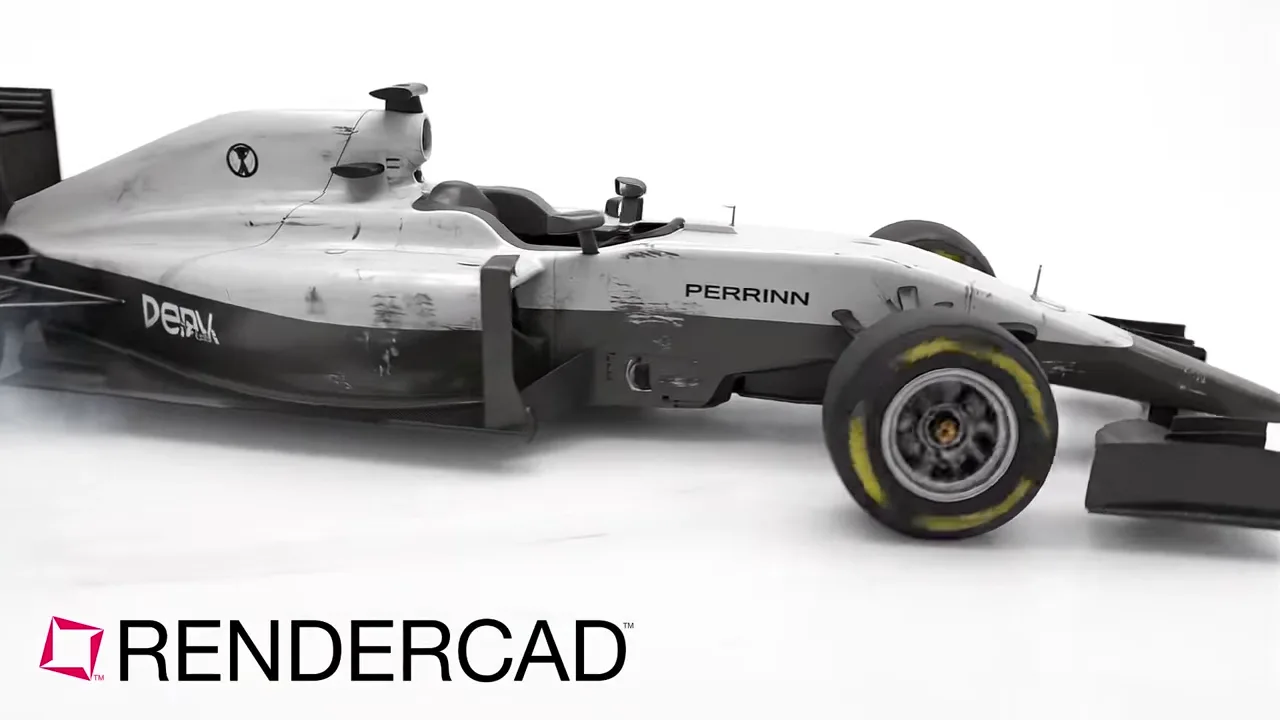
Chunky is a free path tracer for Minecraft worlds with camera, sky, and sampling controls. RENDERCAD skips the setup: screenshot your build and get a render in 60 seconds.
IMAGE RENDERS COMPLETE IN 60 SECONDS.


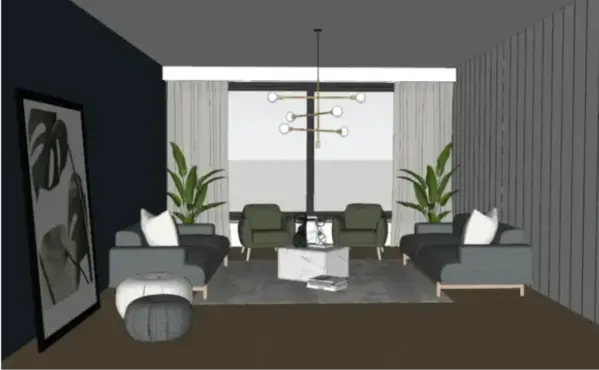
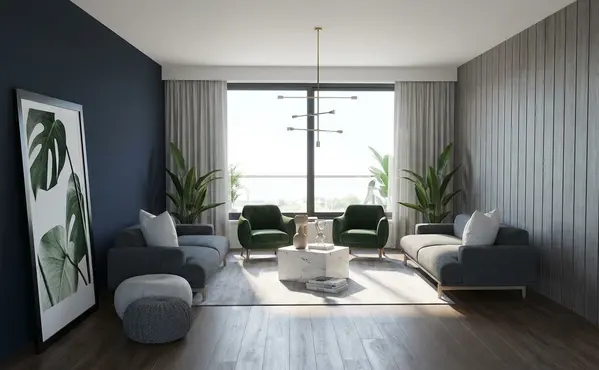


Chunky is an open-source desktop path tracer for making still images from Minecraft Java Edition worlds. A builder loads a saved world, selects the visible chunks and dimension, then frames the scene with a camera before adjusting lighting, sky, fog, water, textures, and sampling. It is suited to cinematic build showcases, map artwork, server galleries, and portfolio images where the actual block world is the source of truth. Its local, progressive render workflow rewards a carefully prepared view, but the selected area, resolution, CPU resources, and samples all affect the time needed to refine an image.
Choose Chunky when you have the Minecraft Java world file and need a faithful path-traced still of a real build. It reads selected chunks, so the camera, visible blocks, terrain, and scene context can remain tied to the world rather than inferred from an image. RENDERCAD is useful earlier or alongside that workflow: capture a strong in-game view, map overview, or blockout screenshot and use it to explore an art direction or create a polished presentation image. This can help a builder pitch an atmosphere, architectural mood, or promotional composition without first preparing a full Chunky scene. The tradeoff is important: RENDERCAD does not load, inspect, or preserve Minecraft world data, so Chunky remains the better choice for exact block-level fidelity and reproducible world-based renders.
A practical Chunky workflow begins by loading a saved Minecraft Java world, choosing the dimension and selecting only the chunks needed by the camera. From the preview, the creator can position the camera and tune the canvas, sun and sky, fog, water, textures, materials, and render settings before allowing samples to accumulate. Chunky can save stills in common display and high-dynamic-range oriented formats, which suits finished build reveals, thumbnails, gallery assets, and archival scene renders. The workflow is deliberate: a larger chunk selection can take longer to load, while sampling and ray settings can extend render time.
RENDERCAD serves an image-led presentation task rather than a Minecraft renderer. Start with a screenshot that already establishes the build's viewpoint or massing, then generate visual directions for a concept board, social post, design discussion, or marketing-style still. It is especially useful when a team wants to compare moods before committing time to a final world-based render. Treat the output as a visual interpretation: it can add polish and communicate intent, but it is not a source of truth for block placement, Minecraft materials, game mechanics, or a saved world. For a final image that must match the loaded Minecraft scene, return to Chunky and validate against the world data.
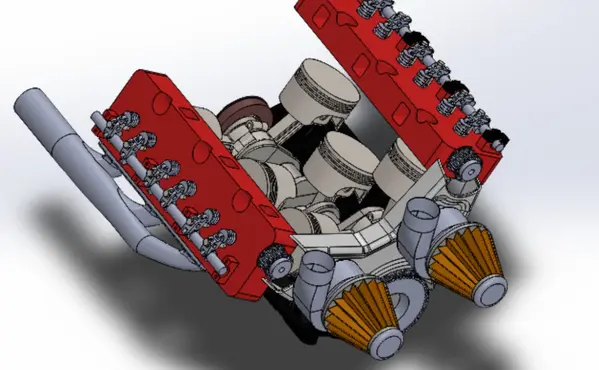
Screenshot the CAD viewport you already have, render in the browser, and download a client-ready still or video without exports, plugins, or GPU setup.
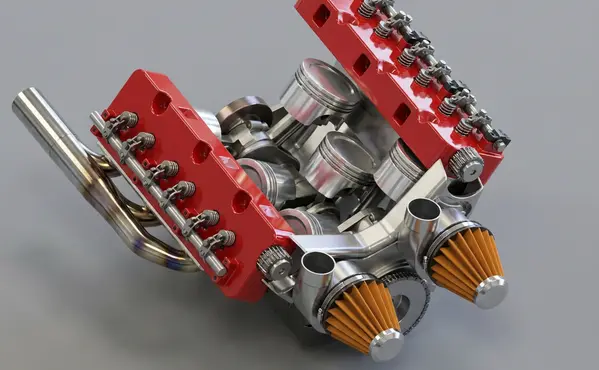
Modeled by CADSharp in Onshape. Rendered with RENDERCAD.
Add, change, or remove referenced objects with the stroke of a brush.
RENDERCAD uses a maintained selection of image-generation models for different rendering tasks. Results can vary by model and input, so compare generated output with the source design before relying on geometry, materials, or dimensions.
| Feature | RENDERCAD | Chunky (Minecraft) |
|---|---|---|
| Engine | Generative AI | Path Tracing (CPU) |
| Output | Images + Video | Still images (PNG, TIFF, PFM) |
| Resolution | HD / 4K | Configurable canvas size |
| Image Speed | Image renders complete in 60 seconds. | Varies by CPU, image size, samples, and lighting |
| Video Speed | Videos complete in 2-5 minutes. | Still-image renderer; not a video-first workflow |
| Scene Set Up | No separate local scene | Load a world, select a dimension and chunks, then set camera, canvas, lighting, sky, fog, water, materials, and sampling |
| Input | Screen Snip | Saved Minecraft Java Edition world data, selected chunks, and optional camera coordinates |
| Materials | 2,600+ Textures | Minecraft block textures and scene controls for water, sky, fog, biome color, and lighting |
| Backgrounds | 1300+ Backgrounds | Tool-dependent |
| Conditions | 40+ Effects | Tool-dependent |
| References | Up to 6 Per Render | Varies |
| Hardware | Cloud (None Required) | Desktop (Windows/Mac/Linux) |
| Install | None | Desktop application with launcher; headless rendering is also supported |
| Cost | from $9/mo | Free (open source) |
Compare the workflows side by side and choose the one that fits the next task.
Skip a separate local scene build. Pick a condition, material, and background while RENDERCAD handles the image-generation step. Image renders complete in 60 seconds.
 ™
RENDERCAD™
™
RENDERCAD™
Use the browser workflow directly, capture a selected view with the desktop app, or start from the browser extension.
Get StartedCommon questions about RENDERCAD and this workflow
RENDERCAD processes generation in the cloud, so it does not require a dedicated local rendering GPU. You still need a supported browser and internet connection, and normal browser, upload, and download activity can use local device resources.
RENDERCAD image renders complete in 60 seconds. Competing renderer speed depends on scene complexity, render settings, hardware, queue time, and final output quality.
RENDERCAD starts at $9/month with credits that refresh monthly - predictable costs with no upfront investment or perpetual license fees.
RENDERCAD starts from a supported 2D image such as a CAD viewport capture, product photo, or drawing. You do not need to import the native 3D scene, but you may need to capture or export a clear image from the source application first.
RENDERCAD can generate a visual interpretation of a described or referenced material without requiring shader parameters. It does not guarantee physically measured or specification-accurate material behavior, so validate critical color, grain, reflectivity, and finish details against approved references.
Yes. A clear viewport capture can become a more polished visual for a design review. Image renders complete in 60 seconds, making it practical to prepare or iterate presentation options.
With RENDERCAD, upload or snip a clear image, describe carbon fiber, and add a material reference when exact visual direction matters. Image renders complete in 60 seconds.
Upload a clear view, describe the brushed-aluminum finish you want, and add a material reference when the visual direction matters. Because the result is generated from an image, inspect the grain direction and surface details against your original design before using it in a final presentation.
Describe an environment such as a sunny forest or urban street and use a reference image when needed. Image renders complete in 60 seconds without building a local scene file or environment map.
Start with a clear source view, choose a simple background, and describe the studio look you want. RENDERCAD can generate a presentation image without requiring you to build a traditional light rig, but the lighting is image-based and should be reviewed rather than treated as a physically measured setup.
RENDERCAD can generate orbit-style motion from a single image using a Camera option. Because the motion is inferred rather than rendered from a complete 3D model, review geometry and hidden-side details before publishing the result.
The Seamless Loop option is designed to improve continuity between the end and beginning of a generated video. Inspect the transition before publishing because generative motion and loop quality can vary by image and model.
What RENDERCAD customers say