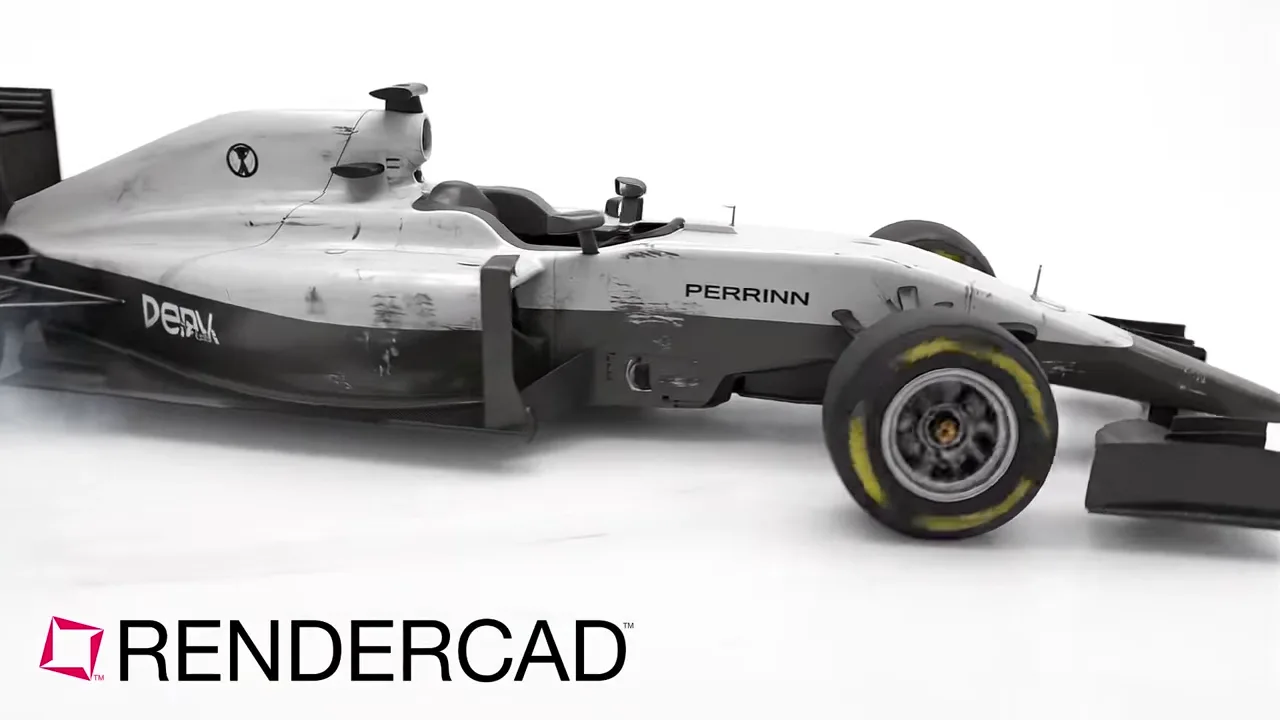
Turn selected Stylezone garment views into art-directed apparel visuals.
Browzwear Style in Stylezone gives apparel teams a shared place to review digital garments, their colorways, versions, and supporting visual assets. Styles can be shared from VStitcher or Lotta, while Stylezone can also display a GLB garment in an interactive 3D viewer. That makes the approved garment view a useful starting reference for a downstream presentation image: it can show the intended silhouette, panel layout, artwork placement, trims, material appearance, and whether the garment is shown on an avatar or alone. RENDERCAD can develop that selected visual reference into a more art-directed apparel image for communication, without replacing the underlying apparel-development file.


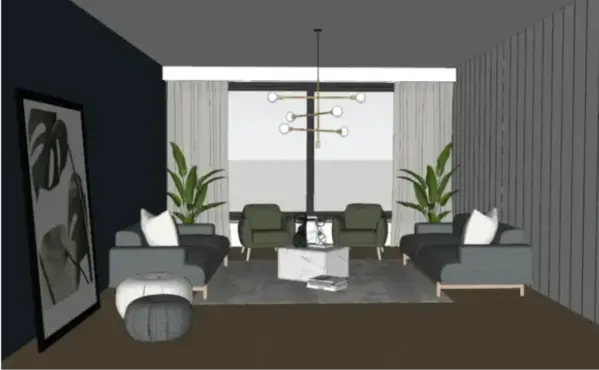
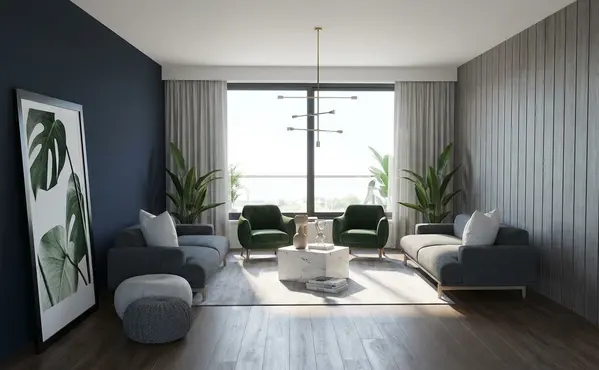


Browzwear Style in Stylezone gives apparel teams a shared place to review digital garments, their colorways, versions, and supporting visual assets. Styles can be shared from VStitcher or Lotta, while Stylezone can also display a GLB garment in an interactive 3D viewer. That makes the approved garment view a useful starting reference for a downstream presentation image: it can show the intended silhouette, panel layout, artwork placement, trims, material appearance, and whether the garment is shown on an avatar or alone. RENDERCAD can develop that selected visual reference into a more art-directed apparel image for communication, without replacing the underlying apparel-development file.
Use RENDERCAD once the Browzwear style is visually settled enough for a presentation view. In Stylezone, reviewers can inspect a shared style, compare its versioned resources, and use the 3D viewer to orbit, pan, zoom, or hide an avatar when a GLB asset is available. Select the colorway and camera angle that best establishes the garment's product truth - for example, a front three-quarter view that keeps a print, collar, pocket, seam placement, and hem readable. A clean captured or downloaded view gives RENDERCAD a stronger reference than a busy screen capture or a view with key details obscured.
In Stylezone, open the intended style version and choose the colorway, avatar state, and 3D viewer angle that clearly shows the garment silhouette, drape, fabric panels, artwork, seams, and trims. Use a clean style image or 3D view with the essential design information visible, then download or capture the clearest available reference. In RENDERCAD, describe the desired presentation context, such as a neutral e-commerce studio view, a simple flat-lay concept, or an editorial merchandising image, while asking to preserve the visible garment design. Review the result against the Browzwear style before sharing it with buyers or marketing teams. Browzwear remains the source of truth for patterns, fit, construction, colorways, material assignments, and approved revisions; use the RENDERCAD image as a visual communication asset, not as proof of production specifications or fit.
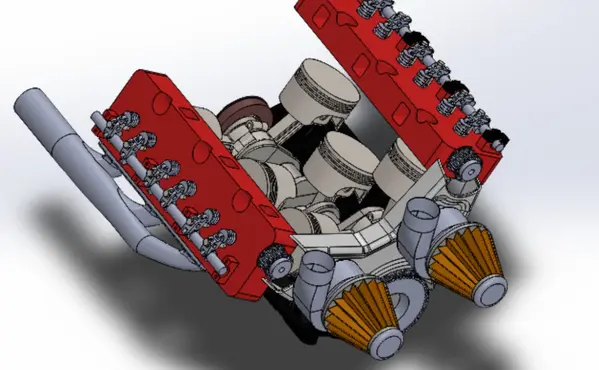
Modeled by CADSharp in Onshape. Rendered with RENDERCAD.
Add | Change | or Remove referenced objects with the stroke of a brush.
RENDERCAD uses a maintained selection of image-generation models for different rendering tasks. Results can vary by model and input, so compare generated output with the source design before relying on geometry, materials, or dimensions.
| Feature | RENDERCAD | Browzwear Stylezone |
|---|---|---|
| Engine | Generative AI | Browzwear Stylezone tools for sharing, reviewing, and presenting 3D apparel styles |
| Output | Images + Video | Shared style resources, colorway images, interactive 3D garment views, comments, versioned assets, and collection content |
| Resolution | HD / 4K | Depends on the source style, selected asset, and available export or download options |
| Image Speed | Image renders complete in 60 seconds. | Depends on the source style, rendering task, and account configuration |
| Video Speed | Videos complete in 2-5 minutes. | Not a primary Stylezone comparison field; timing depends on the selected Browzwear workflow and assets |
| Scene Set Up | No separate local scene | Prepare the 3D garment and selected colorway, then choose the avatar state, HDRI lighting adjustments, and review angle appropriate for the shared view |
| Input | Screen Snip | Browzwear style resources, including styles shared from VStitcher or Lotta and GLB files for the 3D viewer |
| Hardware | Cloud GPU | Browser-based Stylezone with connected Browzwear design workflows |
| Install | None | Stylezone runs in a web browser; connected authoring workflows may use Browzwear applications |
| Cost | from $9/mo | Browzwear access and rendering terms vary by organization and account configuration |
Read the numbers. We trust you to know theirs.
Skip a separate local scene build. Pick a condition, material, and background while RENDERCAD handles the image-generation step. Image renders complete in 60 seconds.
 ™
RENDERCAD™
™
RENDERCAD™
Use the browser workflow directly, capture a selected view with the desktop app, or start from the browser extension.
Get StartedCommon solutions for Browzwear Style users
Set up masks for each customizable component. Swap material references for each masked region to quickly visualize different product configurations.
Capture the model, describe the wood species and grain direction, and add an authorized material reference when needed. Generated grain varies and should be reviewed for scale and orientation.
Upload a clear image, choose the Realistic engine, and describe a large soft light source or overcast lighting. Generated shadows are visual approximations, not a physical lighting calculation.
RENDERCAD videos are generated at 720p.
No local NVIDIA rendering GPU is required. Use a supported browser to upload an image or a current capture tool to select a screenshot; generation runs on cloud infrastructure.
The Render History page lets you browse and download retained images and videos. Storage duration depends on the account plan, so download assets you need before they expire.
Use Freeform style and prompt "Pencil Sketch" or "Blueprint" to turn your image into an illustration.
The core workflow starts from a selected 2D view, so it does not require native CAD-file conversion or source-model upload.
Reuse a clear history image and change the color instruction or reference. Treat the results as visual options rather than color-managed proof.
Describe the finish, gloss, grain direction, and lighting, or provide an authorized material reference. Generated reflections are visual approximations rather than physically verified material behavior.
It uses generative image models with screenshot or image inputs. Models and features can change over time, so current product documentation is the source of truth.
Video jobs consume credits based on current duration and model settings. Check the pricing page for current costs rather than comparing with an assumed outsourcing price.