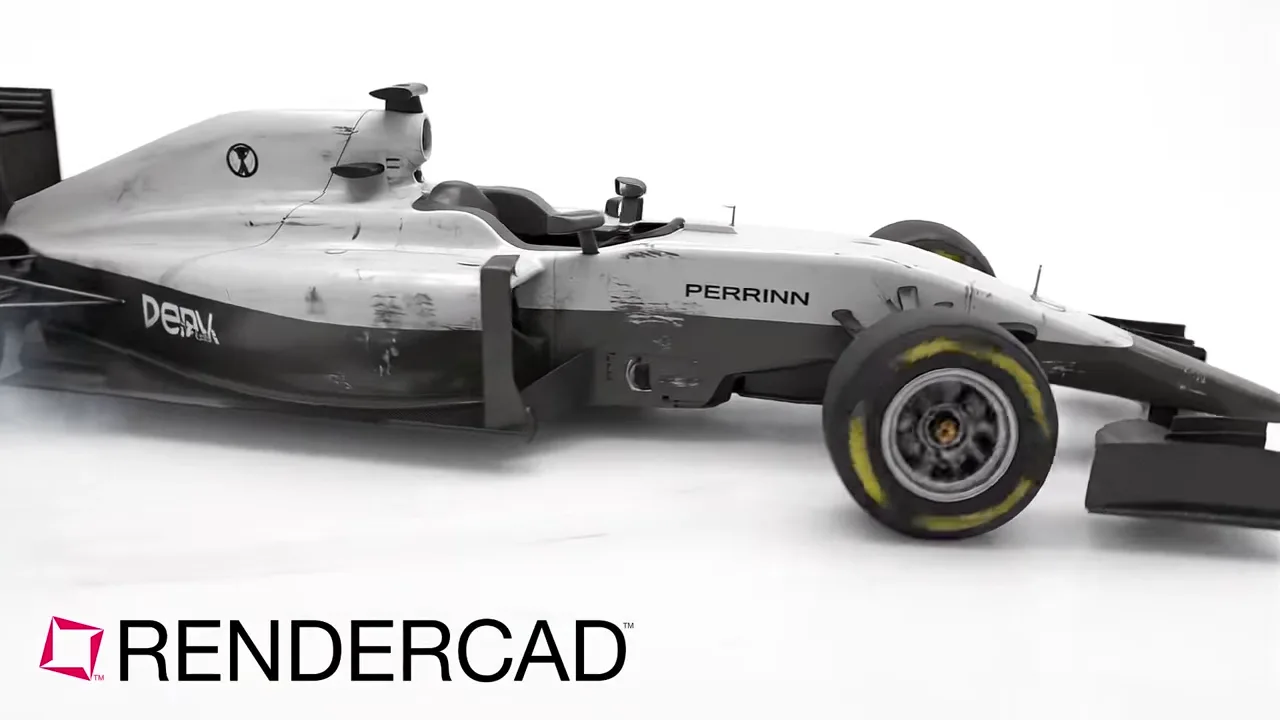
Clear presentation visuals for AutoPLANT plant model views.
AutoCAD-based 3D plant design and modeling software for specification-driven piping, equipment, raceways, drawings, isometrics, and project deliverables.


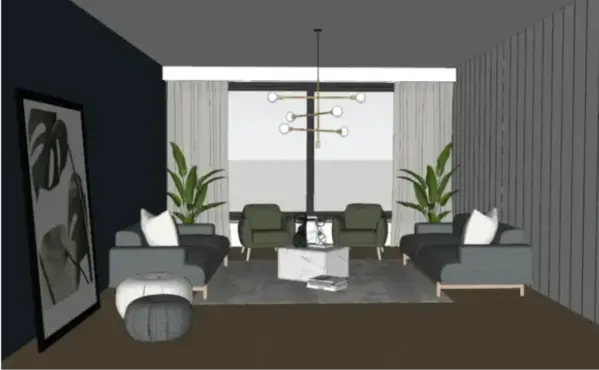
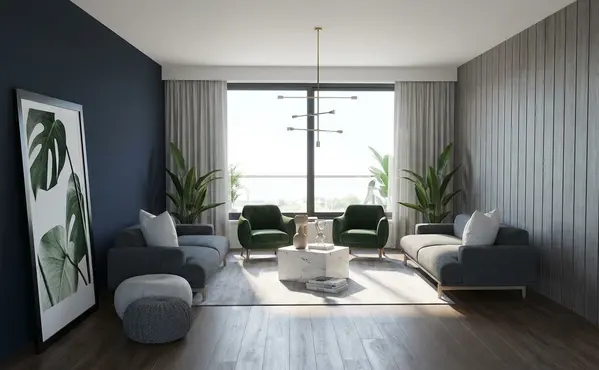
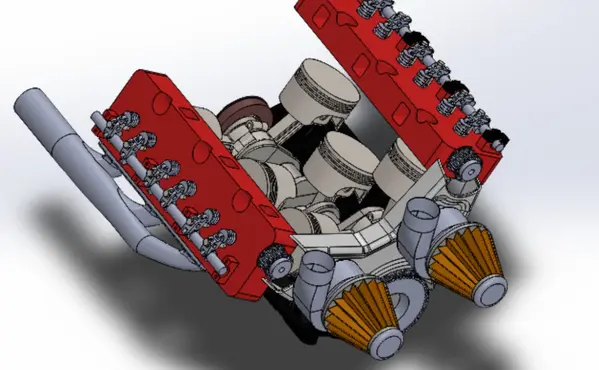


AutoCAD-based 3D plant design and modeling software for specification-driven piping, equipment, raceways, drawings, isometrics, and project deliverables.
Bentley AutoPLANT Modeler is built for specification-driven plant layouts: routing piping, placing equipment, coordinating raceways, and producing drawings and isometrics from intelligent project data. Those dense working views are valuable to designers, but a sponsor, estimator, operations contact, or construction reviewer may need a faster visual explanation of one area. A clean AutoPLANT viewport can show how a pump skid connects to adjacent lines, how a pipe rack relates to equipment, or how a utility corridor occupies the available space.
Use RENDERCAD after the technical view has been deliberately framed. It can turn a selected process unit, equipment bay, elevated rack, or access-side view into a clearer presentation image with more readable lighting, depth, material separation, and visual hierarchy. This is useful for design-review decks, proposal illustrations, project updates, and discussions where the audience needs to understand the physical arrangement before reading detailed drawings. It should support communication of the design intent, not create a substitute for the plant model.
In AutoPLANT, begin with a coordinated 3D area rather than an unfiltered overall model. Isolate the equipment, piping runs, valves, supports, and raceways that answer a single question, such as a tie-in relationship, equipment connection, access route, or the overall arrangement of a process area. Use display styles to retain useful system distinctions, then hide tags, selection aids, dimensions, and distant geometry that would distract from the view. Choose an eye-level or elevated viewport that preserves context at both ends of the featured run, and capture the clean view.
Upload that image to RENDERCAD with a direction appropriate to the audience: a restrained industrial presentation visual for a review, a legible process-area image for a proposal, or a well-lit equipment perspective for an update. Check the result against the AutoPLANT viewport before sharing. AutoPLANT project data, routed geometry, specifications, clash decisions, drawings, and isometrics remain the source of truth for dimensions, clearances, fabrication, construction, and engineering approval.
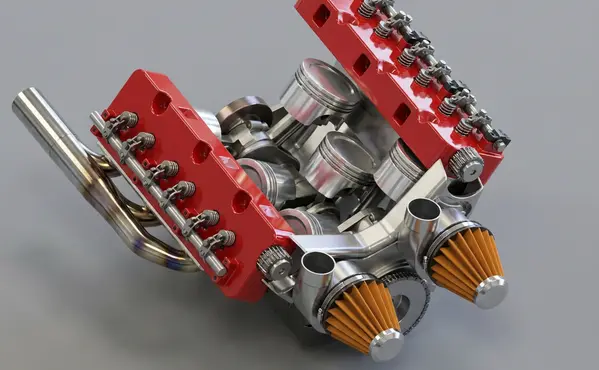
Modeled by CADSharp in Onshape. Rendered with RENDERCAD.
Add | Change | or Remove referenced objects with the stroke of a brush.
RENDERCAD uses a maintained selection of image-generation models for different rendering tasks. Results can vary by model and input, so compare generated output with the source design before relying on geometry, materials, or dimensions.
| Feature | RENDERCAD | Bentley AutoPLANT Modeler |
|---|---|---|
| Engine | Generative AI | AutoCAD-based 3D plant modeling environment rather than a dedicated photorealistic render engine |
| Output | Images + Video | 3D plant models, drawings, isometrics, reports, and reviewable model views |
| Resolution | HD / 4K | Controlled by viewport, sheet, and export settings rather than a cloud render resolution |
| Image Speed | Image renders complete in 60 seconds. | Depends on model size, display style, local hardware, and any downstream visualization tools |
| Video Speed | Videos complete in 2-5 minutes. | Video and animation output are not the core AutoPLANT workflow |
| Scene Set Up | No separate local scene | Route spec-driven piping, place equipment and raceways, choose display styles, then frame a model or sheet view |
| Input | Screen Snip | AutoCAD-based plant projects with piping specifications, parametric equipment, raceways, and project data |
| Hardware | Cloud GPU | Installed AutoCAD-based desktop plant design software |
| Install | None | Desktop installation within Bentley and AutoCAD plant project environments |
| Cost | from $9/mo | Commercial Bentley licensing; confirm current availability and terms with Bentley |
Read the numbers. We trust you to know theirs.
Skip a separate local scene build. Pick a condition, material, and background while RENDERCAD handles the image-generation step. Image renders complete in 60 seconds.
 ™
RENDERCAD™
™
RENDERCAD™
Use the browser workflow directly, capture a selected view with the desktop app, or start from the browser extension.
Get StartedCommon solutions for Bentley AutoPLANT users
Reuse a clear history image and change the color instruction or reference. Treat the results as visual options rather than color-managed proof.
Describe the finish, gloss, grain direction, and lighting, or provide an authorized material reference. Generated reflections are visual approximations rather than physically verified material behavior.
It uses generative image models with screenshot or image inputs. Models and features can change over time, so current product documentation is the source of truth.
Video jobs consume credits based on current duration and model settings. Check the pricing page for current costs rather than comparing with an assumed outsourcing price.
Use only images you are authorized to submit. A style reference can guide lighting, composition, or general aesthetic, but it does not guarantee that the source design remains unchanged.
Select the glass or transparent components with a mask. Apply glass-specific prompts to the masked area while treating opaque parts differently.
You can layer a material reference, a lighting reference, and a background reference together. Each guides a different aspect of the final render.
While RENDERCAD generates full rectangular images, you can set the Background to "White" or "Grey" in Advanced Settings for easy masking in post-production.
Add phrases like "Light from left," "Backlit," or "Top down lighting" to your custom prompt in RENDERCAD.
Upload a CAD screenshot, real photo, or hand drawing, open the Video panel, and choose an available duration, camera preset, and product motion. Videos complete in 2-5 minutes.
Submit a clear viewport screenshot to the web workflow instead of running a local scene render. The generation request runs in the cloud while your source application remains separate.
Open the current desktop app or browser extension, select the viewport region, and send the captured image into the screenshot-based workflow. Availability and device requirements are documented on the current download pages.