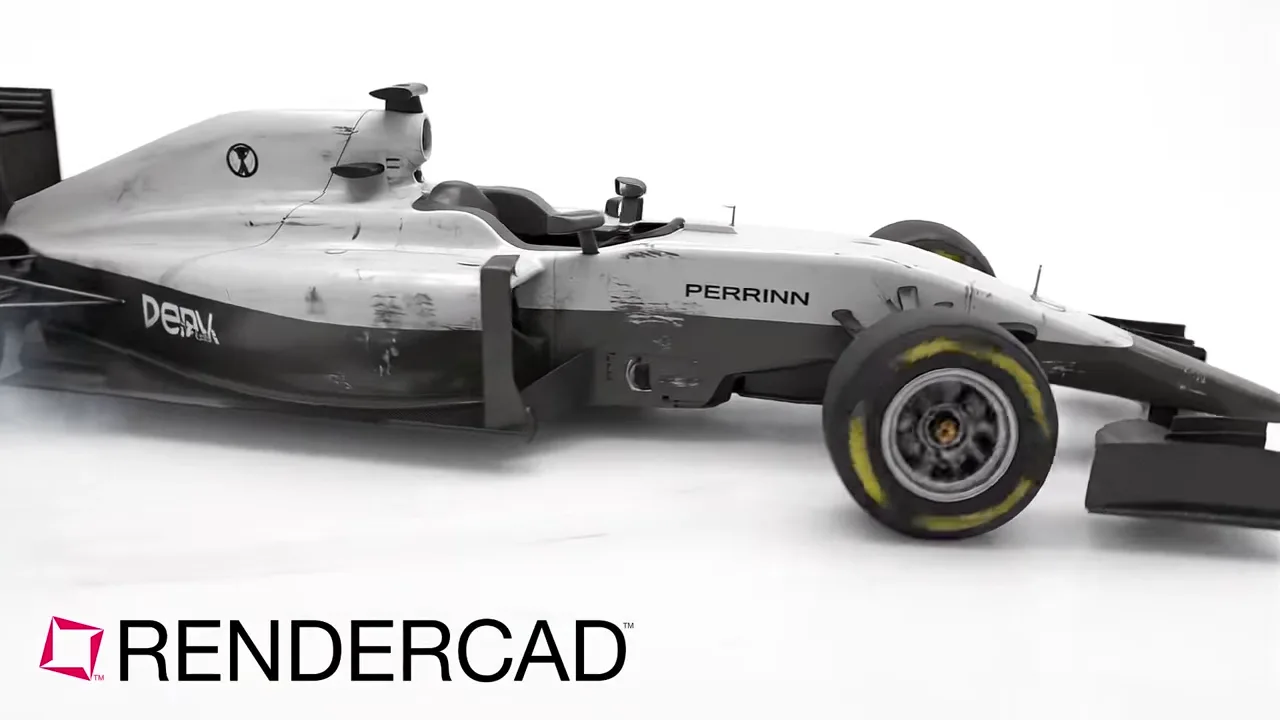
Turn focused AutoCAD Plant 3D piping and equipment views into clear plant review visuals.
Plant design toolset for P&IDs, 3D piping, equipment, support structures, orthographic drawings, and piping isometrics.


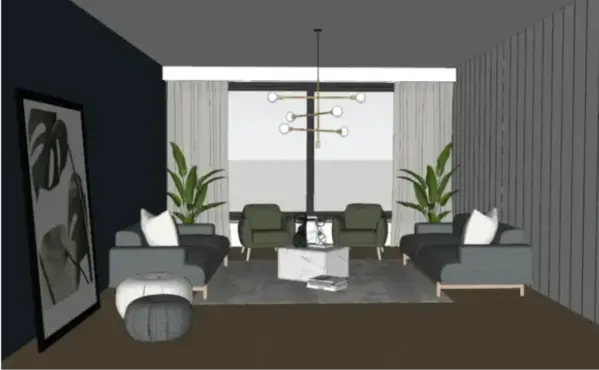

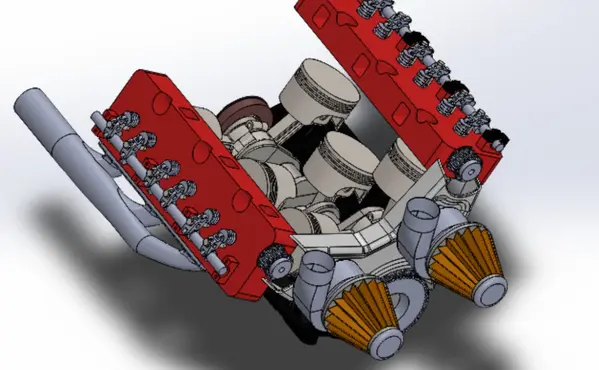
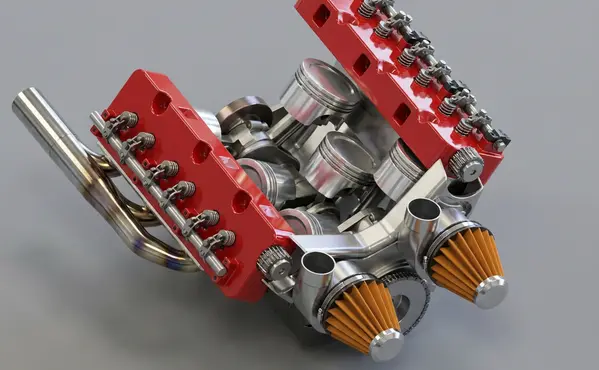


Plant design toolset for P&IDs, 3D piping, equipment, support structures, orthographic drawings, and piping isometrics.
AutoCAD Plant 3D is used to create P&IDs and detailed 3D plant models containing piping, equipment, and support structures, then produce orthographic drawings and piping isometrics from the model. Those deliverables remain essential for design and construction work, but a focused 3D view can be easier to understand in a mixed technical and non-technical review. A perspective of a pipe rack bay can show elevation changes and congestion; a pump, vessel, or skid view can make connections, clearance, and equipment relationships easier to discuss.
RENDERCAD can turn a deliberately framed Plant 3D viewport into a presentation-oriented visual for concept reviews, proposals, project updates, and conversations about an area of the plant. It is most useful when the image has a clear subject and viewing angle, rather than trying to explain an entire facility in one frame. Use the visual to communicate spatial intent, material separation, lighting, and a plausible setting. Keep AutoCAD Plant 3D, the P&ID, and the issued drawings as the source of truth for specifications, connectivity, dimensions, safety decisions, and construction information.
In AutoCAD Plant 3D, select one reviewable zone such as a pipe rack bay, pump train, vessel nozzle area, packaged skid, or access corridor. Set a perspective or shaded 3D view that makes the key piping run and equipment relationship readable. Isolate relevant objects where practical, and hide dimensions, tags, grids, construction aids, and other drafting clutter before capturing the viewport.
Upload that image to RENDERCAD and describe the intended presentation context, such as a clean industrial setting, realistic materials, or a daylight site view. Review the output against the viewport before sharing it. Pair the resulting visual with the applicable orthographic drawing, isometric, or P&ID when reviewers need verified technical detail. For API implementation details, visit RENDERCAD developer documentation.
Modeled by CADSharp in Onshape. Rendered with RENDERCAD.
Add | Change | or Remove referenced objects with the stroke of a brush.
RENDERCAD uses a maintained selection of image-generation models for different rendering tasks. Results can vary by model and input, so compare generated output with the source design before relying on geometry, materials, or dimensions.
| Feature | RENDERCAD | Competitor |
|---|---|---|
| Engine | Generative AI | Varies by tool |
| Output | Images + Video | Varies by tool |
| Resolution | HD / 4K | Varies by workflow |
| Image Speed | Image renders complete in 60 seconds. | Varies by scene/tool |
| Video Speed | Videos complete in 2-5 minutes. | Varies by workflow |
| Scene Set Up | No separate local scene | Varies by workflow |
| Input | Screen Snip | Varies by tool |
| Hardware | Cloud GPU | Often local GPU/CPU |
| Install | None | Varies (web or app) |
| Cost | from $9/mo | Varies widely |
Read the numbers. We trust you to know theirs.
Skip a separate local scene build. Pick a condition, material, and background while RENDERCAD handles the image-generation step. Image renders complete in 60 seconds.
 ™
RENDERCAD™
™
RENDERCAD™
Use the browser workflow directly, capture a selected view with the desktop app, or start from the browser extension.
Get StartedCommon solutions for AutoCAD Plant 3D users
A reference can communicate palette, material, lighting, or composition more directly than text alone. Generated results still require review and may need additional iterations.
Describe the intended anodized color and matte or satin finish, then review the generated metal appearance against an authorized material reference when color and finish matter.
Upload a clear image, choose the Realistic engine, and describe a large soft light source or overcast lighting. Generated shadows are visual approximations, not a physical lighting calculation.
Upload a CAD screenshot, real photo, or hand drawing, open the Video panel, and choose an available duration, camera preset, and product motion. Videos complete in 2-5 minutes.
No local NVIDIA rendering GPU is required. Use a supported browser to upload an image or a current capture tool to select a screenshot; generation runs on cloud infrastructure.
The Render History page lets you browse and download retained images and videos. Storage duration depends on the account plan, so download assets you need before they expire.
Upload your image or snip your wireframe view. In RENDERCAD, prompt "Technical Illustration" or "Blueprint style."
The core workflow starts from a selected 2D view, so it does not require native CAD-file conversion or source-model upload.
Reuse a clear history image and change the color instruction or reference. Treat the results as visual options rather than color-managed proof.
Describe the finish, gloss, grain direction, and lighting, or provide an authorized material reference. Generated reflections are visual approximations rather than physically verified material behavior.
It uses generative image models with screenshot or image inputs. Models and features can change over time, so current product documentation is the source of truth.
Video jobs consume credits based on current duration and model settings. Check the pricing page for current costs rather than comparing with an assumed outsourcing price.