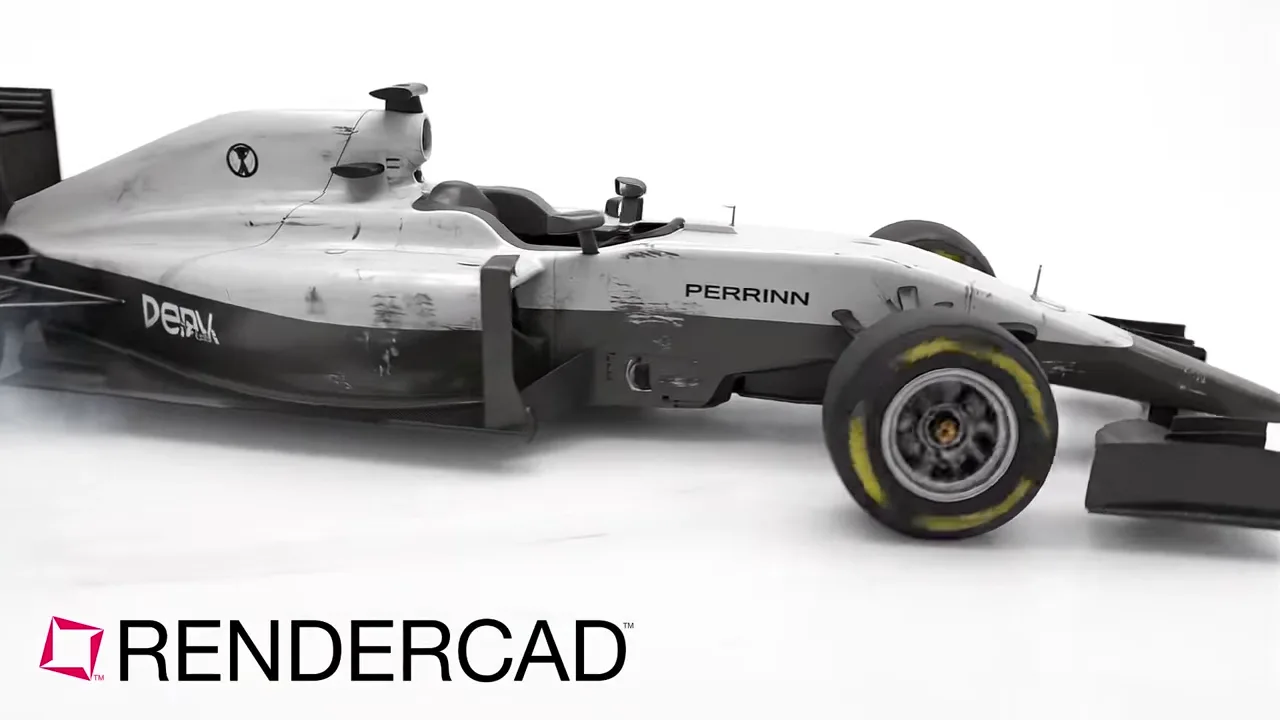
Polished presentation stills from Art of Illusion camera views.
Art of Illusion is a free, open-source desktop studio for 3D modeling, scene rendering, and animation. Its workflow includes subdivision surfaces and other mesh-based objects, lights and cameras, plus graphical editors for procedural textures and materials. It is useful for learners, hobbyists, and visual makers who want to develop a scene and then communicate its shape, surface character, or story through a well-composed still.


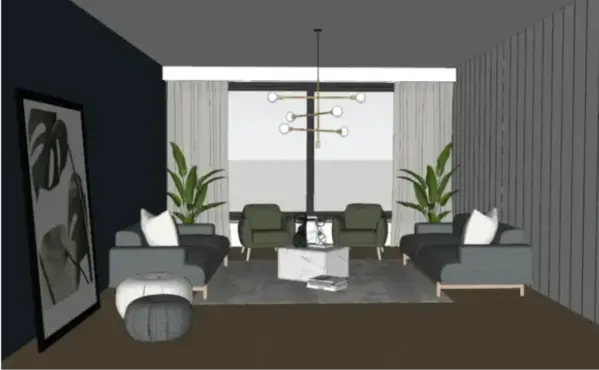
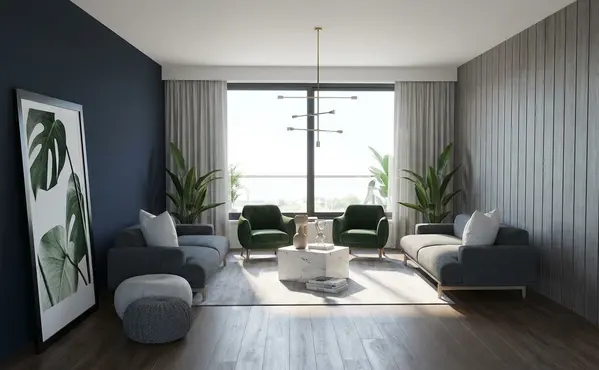


Art of Illusion is a free, open-source desktop studio for 3D modeling, scene rendering, and animation. Its workflow includes subdivision surfaces and other mesh-based objects, lights and cameras, plus graphical editors for procedural textures and materials. It is useful for learners, hobbyists, and visual makers who want to develop a scene and then communicate its shape, surface character, or story through a well-composed still.
Art of Illusion is a practical fit for modeling an object or compact scene, assigning image-based or procedural surface treatments, and arranging a camera and lights for a still or animation. A carefully chosen camera view is particularly useful when the model's silhouette, layered texture, transparency, or reflective material needs to read clearly. Export or capture that stable view as a starting image in RENDERCAD to explore a presentation direction: for example, a product-like hero image, an atmospheric illustration, a class critique board, or a portfolio cover. RENDERCAD can develop the visual treatment around the existing Art of Illusion composition, including lighting mood, shadow definition, background context, and material emphasis. Keep the input focused on one intended message rather than an editor screen full of handles or unrelated objects. Art of Illusion remains the source of truth for mesh topology, object placement, procedural texture graphs, camera settings, and any keyframed or skeleton animation. Use the improved still as visual communication, not as a replacement for checking the scene or render settings in the original project.
First, use Art of Illusion to finish the decisions that establish the image: model the object with its mesh or subdivision surface, assign the intended procedural or image-based texture, position lights, and choose the camera. A draft render or uncluttered camera viewport should show the focal object at a useful scale, with readable edges and visible surface cues. For a character or animated object, select a representative pose and frame instead of expecting a single still to define motion. Bring that image into RENDERCAD to test a stronger presentation atmosphere, cleaner background separation, more intentional shadowing, or a different level of material contrast. Compare outputs against the Art of Illusion view so object proportions, distinctive texture details, and scene intent remain recognizable. The resulting image can support a design review, teaching exercise, concept presentation, or portfolio thumbnail. Return to Art of Illusion for geometry corrections, UV or texture changes, light and camera adjustments, render-engine choices, and final still or animation output.
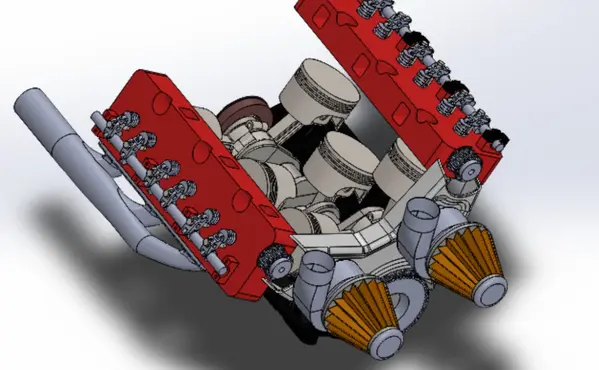
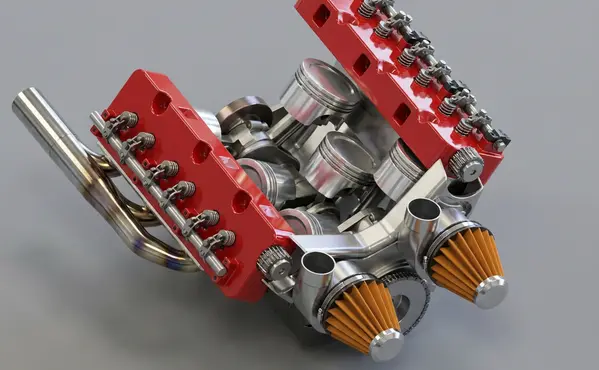
Modeled by CADSharp in Onshape. Rendered with RENDERCAD.
Add | Change | or Remove referenced objects with the stroke of a brush.
RENDERCAD uses a maintained selection of image-generation models for different rendering tasks. Results can vary by model and input, so compare generated output with the source design before relying on geometry, materials, or dimensions.
| Feature | RENDERCAD | Art of Illusion native rendering |
|---|---|---|
| Engine | Generative AI | Art of Illusion scene rendering with raster and raytracing options for prepared models, lights, cameras, textures, and materials |
| Output | Images + Video | Rendered stills and frame-based animation from prepared Art of Illusion scenes |
| Resolution | HD / 4K | Set in the render workflow; practical output depends on scene complexity and available local system resources |
| Image Speed | Image renders complete in 60 seconds. | Depends on scene complexity, selected rendering settings, output size, and local hardware |
| Video Speed | Videos complete in 2-5 minutes. | Animation is rendered as frames, with duration determined by scene length, settings, and local hardware |
| Scene Set Up | No separate local scene | Build and arrange models, procedural textures or materials, lights, cameras, and animation before rendering |
| Input | Screen Snip | Art of Illusion scene content including models, textures, materials, lights, cameras, and animation data |
| Hardware | Cloud GPU | Java-based desktop application available for common desktop operating systems |
| Install | None | Install the desktop application and a compatible Java runtime when required by the selected package |
| Cost | from $9/mo | Free and open-source software distributed under the GPL |
Read the numbers. We trust you to know theirs.
Skip a separate local scene build. Pick a condition, material, and background while RENDERCAD handles the image-generation step. Image renders complete in 60 seconds.
 ™
RENDERCAD™
™
RENDERCAD™
Use the browser workflow directly, capture a selected view with the desktop app, or start from the browser extension.
Get StartedCommon solutions for Art of Illusion users
Yes. Upload a photo of a foam model and prompt "Finished plastic product" to visualize the final look.
Describe cinematic depth of field and the intended focus area. Check that important product details remain sharp after generation.
Image renders complete in 60 seconds.
Generation runs on cloud infrastructure, so a local rendering GPU is not required. The device still needs sufficient resources for the source application, browser, and network connection.
Context prompts can provide a visual scale cue, but the source model and known dimensions remain authoritative. Do not infer measurements from generated imagery.
RENDERCAD starts from a 2D image and uses generated material and environment direction. Built-in renderers may provide direct scene, geometry, lighting, and material control.
Provide a material reference or describe the intended scale, then compare the result with known dimensions and the source model.
Yes. You can add up to six authorized reference images per render and provide instructions or masks for targeted direction.
Masking lets you target a region of a CAD screenshot, real photo, or hand drawing with a reference image or instruction. Generation can still affect other regions, so inspect the full result.
Photograph an authorized prototype or sample and use it as a material reference. Verify color, texture scale, gloss, and product fidelity because generated output will not match reality exactly.
Upload a CAD screenshot, real photo, or hand drawing and describe condensation or water droplets in the custom prompt. Generated placement and appearance vary, so iterate or mask a region when needed.
Upload a CAD screenshot, real photo, or hand drawing and describe warm golden-hour light and the intended direction. Review the generated color and shadows because the interpretation can vary.