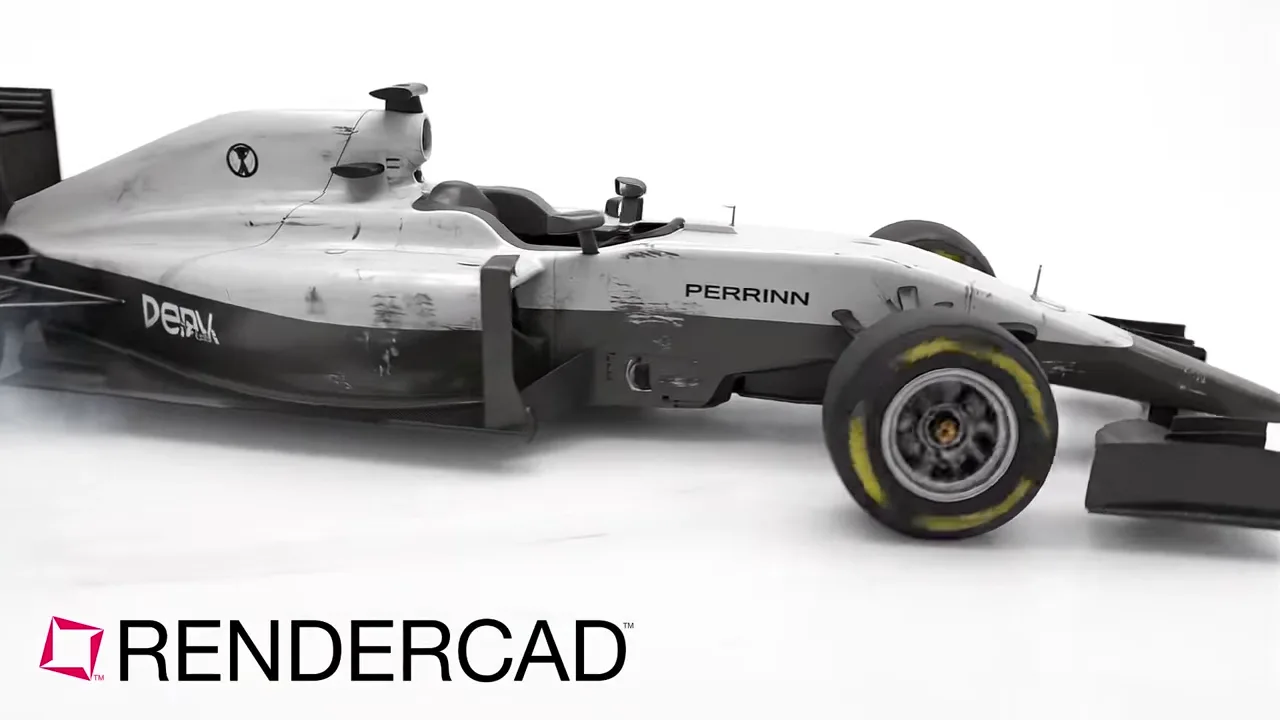
Polished presentation visuals from Allplan BIM and construction-planning views.
Design-to-build BIM software for architecture, structural and civil engineering, detailing, fabrication, and construction planning. Allplan teams use coordinated 2D and 3D project information to develop buildings and infrastructure from early design through construction-ready deliverables.


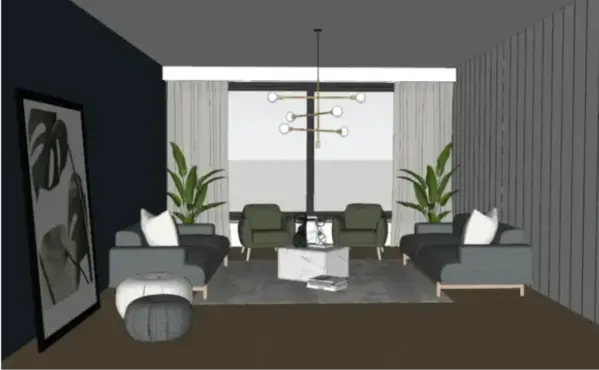
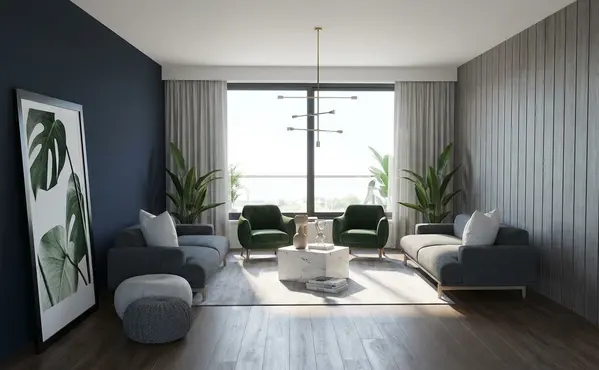


Design-to-build BIM software for architecture, structural and civil engineering, detailing, fabrication, and construction planning. Allplan teams use coordinated 2D and 3D project information to develop buildings and infrastructure from early design through construction-ready deliverables.
Allplan is used across the design-to-build process, from architectural concepts and interiors through structural detailing, precast work, civil infrastructure, bridges, and site planning. That breadth makes a focused model view especially valuable when a team needs to explain one decision without showing the full working BIM environment. RENDERCAD can turn a carefully composed Allplan viewport into a polished still for a client presentation, design-option review, planning discussion, tender narrative, or marketing board. Useful starting views include a facade and surrounding massing, a daylight-oriented interior, an exposed structural frame, a precast assembly, a bridge approach, or terrain and access context. The result should communicate design intent, not make technical claims beyond the source model. Keep model authorship, quantities, drawings, issue coordination, and construction detail in Allplan; use RENDERCAD for the audience-ready image that helps people understand the approved view.
In Allplan, start with the active BIM model and isolate the option, discipline, or construction phase that the audience needs to see. Choose a readable camera angle and framing, then hide dimensions, annotations, selection highlights, helpers, and dense detail that is necessary for production but distracting in a presentation. Capture a clean exterior, interior, structural, precast, bridge, terrain, or site-planning view at a size suited to its destination. Upload the image to RENDERCAD and direct the visual treatment toward the decision at hand, such as clearer material separation, believable lighting, a restrained background, landscape context, or a more legible construction story. Compare the output with the Allplan model before sharing, especially where geometry, specified finishes, access, or staged work matters. Allplan remains the source of truth for BIM data, coordination, drawings, quantities, and construction deliverables; RENDERCAD supports the explanatory presentation image.
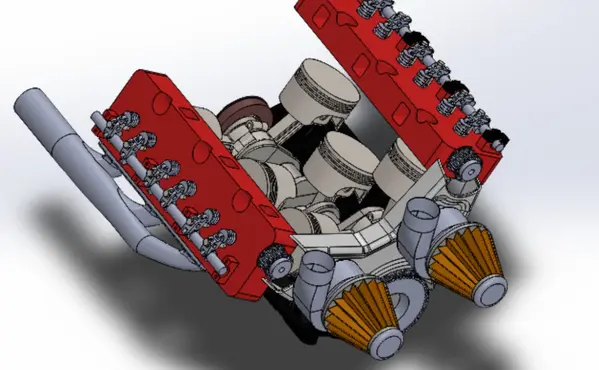
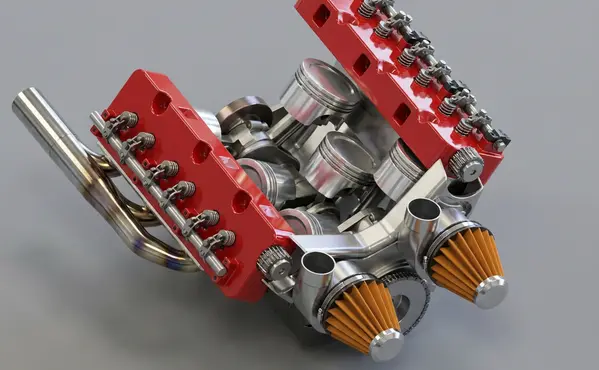
Modeled by CADSharp in Onshape. Rendered with RENDERCAD.
Add | Change | or Remove referenced objects with the stroke of a brush.
RENDERCAD uses a maintained selection of image-generation models for different rendering tasks. Results can vary by model and input, so compare generated output with the source design before relying on geometry, materials, or dimensions.
| Feature | RENDERCAD | Competitor |
|---|---|---|
| Engine | Generative AI | Varies by tool |
| Output | Images + Video | Varies by tool |
| Resolution | HD / 4K | Varies by workflow |
| Image Speed | Image renders complete in 60 seconds. | Varies by scene/tool |
| Video Speed | Videos complete in 2-5 minutes. | Varies by workflow |
| Scene Set Up | No separate local scene | Varies by workflow |
| Input | Screen Snip | Varies by tool |
| Hardware | Cloud GPU | Often local GPU/CPU |
| Install | None | Varies (web or app) |
| Cost | from $9/mo | Varies widely |
Read the numbers. We trust you to know theirs.
Skip a separate local scene build. Pick a condition, material, and background while RENDERCAD handles the image-generation step. Image renders complete in 60 seconds.
 ™
RENDERCAD™
™
RENDERCAD™
Use the browser workflow directly, capture a selected view with the desktop app, or start from the browser extension.
Get StartedCommon solutions for Allplan users
Upload a clear image, then choose a worn condition or describe rust and age in the prompt. Review the result because the generated wear pattern may not match real use or material behavior.
Upload a clear image, choose the Realistic engine, and describe a large soft light source or overcast lighting. Generated shadows are visual approximations, not a physical lighting calculation.
Videos complete in 2-5 minutes.
No local NVIDIA rendering GPU is required. Use a supported browser to upload an image or a current capture tool to select a screenshot; generation runs on cloud infrastructure.
The Render History page lets you browse and download retained images and videos. Storage duration depends on the account plan, so download assets you need before they expire.
Use a high-resolution, clear input and Exact style, but expect generated text to drift. Add critical labels in a graphics editor after generation rather than relying on AI text fidelity.
The core workflow starts from a selected 2D view, so it does not require native CAD-file conversion or source-model upload.
Reuse a clear history image and change the color instruction or reference. Treat the results as visual options rather than color-managed proof.
Describe the finish, gloss, grain direction, and lighting, or provide an authorized material reference. Generated reflections are visual approximations rather than physically verified material behavior.
It uses generative image models with screenshot or image inputs. Models and features can change over time, so current product documentation is the source of truth.
Video jobs consume credits based on current duration and model settings. Check the pricing page for current costs rather than comparing with an assumed outsourcing price.
Yes, if you are authorized to use the photo. It can guide the environment, while placement, lighting, and shadows remain generated interpretations.