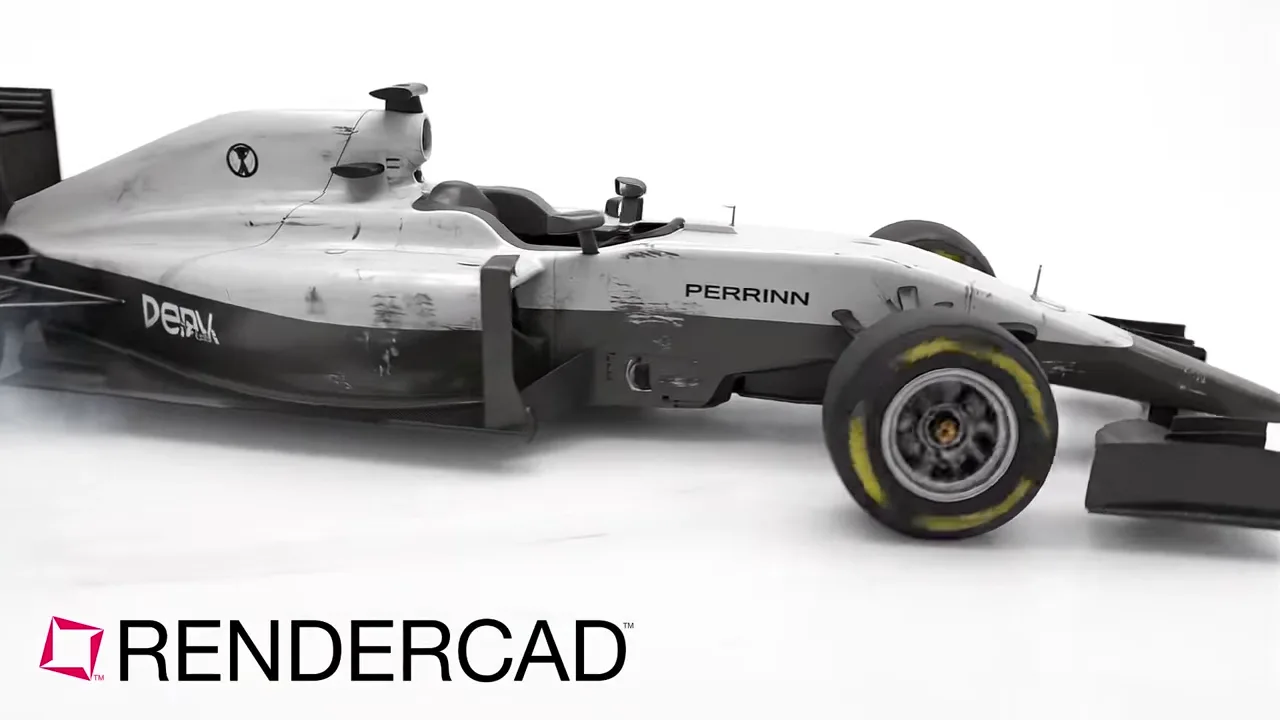
Develop ADINA post-processing views into clear engineering visuals.
ADINA is finite element analysis software for nonlinear structural, thermal, CFD, fluid-structure interaction, electromagnetic, and multiphysics studies. Its graphical user interface supports modeling and post-processing, making it useful for preparing clear views of deformation, contact, temperature, flow, and coupled behavior.


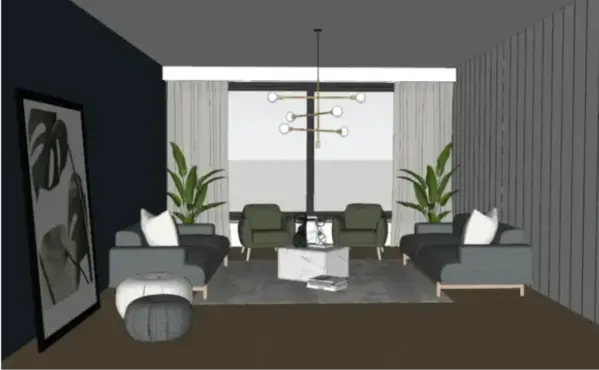
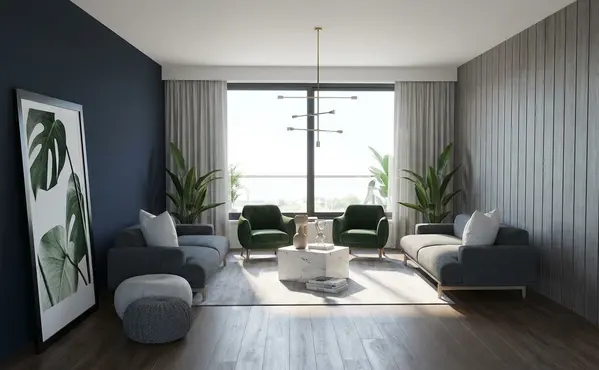


ADINA is finite element analysis software for nonlinear structural, thermal, CFD, fluid-structure interaction, electromagnetic, and multiphysics studies. Its graphical user interface supports modeling and post-processing, making it useful for preparing clear views of deformation, contact, temperature, flow, and coupled behavior.
ADINA teams use the ADINA User Interface to model and review nonlinear structural and multiphysics behavior, from large deformation and contact to heat transfer, CFD, and fluid-structure interaction. A post-processing frame can be especially useful when it shows the design in a meaningful state: a deformed component at a critical load case, a contact area, a temperature distribution, a fluid domain around equipment, or a coupled structure and flow view. When that technical frame needs to work in a proposal, report cover, design review, or stakeholder update, RENDERCAD can develop a clean capture into a presentation-focused visual while respecting its camera and engineering context. Use it to explore surrounding context, materials, lighting, and visual hierarchy without presenting the generated image as analysis evidence. ADINA remains the source of truth for model setup, result values, legends, convergence, and engineering validation; RENDERCAD is for communicating the approved story around those results.
In the ADINA User Interface, select one reviewed result state rather than a busy all-results view. Frame the model so the deformation, contact, thermal region, flow pattern, or fluid-structure relationship is legible, then hide application controls and incidental annotations before capturing the viewport. Retain the original ADINA export wherever result legends or numerical values must be read. In RENDERCAD, use the clean capture as the composition reference and specify the audience and intended setting, such as an equipment concept image, infrastructure context, or restrained report-cover visual. Generate alternatives for presentation direction, then pair the selected visual with the authoritative ADINA result figure when technical interpretation is required. For API implementation, see RENDERCAD developer documentation.
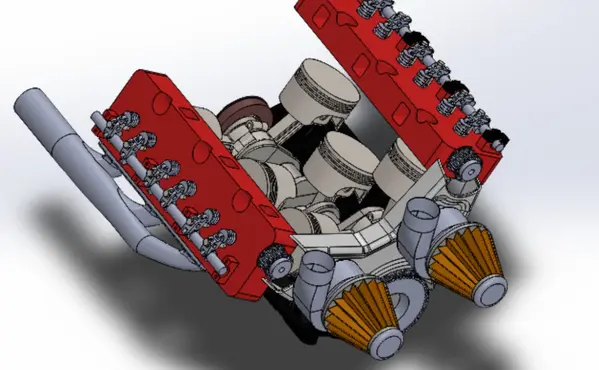
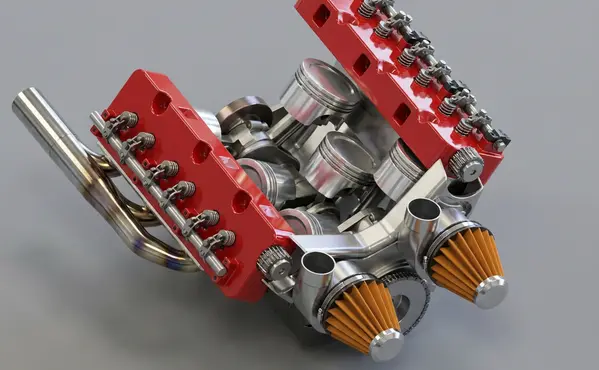
Modeled by CADSharp in Onshape. Rendered with RENDERCAD.
Add | Change | or Remove referenced objects with the stroke of a brush.
RENDERCAD uses a maintained selection of image-generation models for different rendering tasks. Results can vary by model and input, so compare generated output with the source design before relying on geometry, materials, or dimensions.
| Feature | RENDERCAD | Competitor |
|---|---|---|
| Engine | Generative AI | Varies by tool |
| Output | Images + Video | Varies by tool |
| Resolution | HD / 4K | Varies by workflow |
| Image Speed | Image renders complete in 60 seconds. | Varies by scene/tool |
| Video Speed | Videos complete in 2-5 minutes. | Varies by workflow |
| Scene Set Up | No separate local scene | Varies by workflow |
| Input | Screen Snip | Varies by tool |
| Hardware | Cloud GPU | Often local GPU/CPU |
| Install | None | Varies (web or app) |
| Cost | from $9/mo | Varies widely |
Read the numbers. We trust you to know theirs.
Skip a separate local scene build. Pick a condition, material, and background while RENDERCAD handles the image-generation step. Image renders complete in 60 seconds.
 ™
RENDERCAD™
™
RENDERCAD™
Use the browser workflow directly, capture a selected view with the desktop app, or start from the browser extension.
Get StartedCommon solutions for ADINA users
Upload a CAD screenshot, real photo, or hand drawing and describe warm golden-hour light and the intended direction. Review the generated color and shadows because the interpretation can vary.
RENDERCAD videos are generated at 720p.
Yes. RENDERCAD's Render Studio works on Safari or Chrome on Mac, allowing you to turn CAD screenshots, real photos, and hand drawings into pro renders easily.
Generating images or videos consumes credits. Your balance refreshes monthly based on your subscription plan.
Use the web upload workflow, the current desktop capture app, or the browser extension to submit a selected 2D view. This is a screenshot workflow, not a native CAD-file or renderer integration.
RENDERCAD can place a clear viewport capture into a described lifestyle environment, such as a kitchen or office, and produce options for review.
The screenshot workflow uses image inputs, presets, and plain-language direction. Teams should still review generated output with the appropriate designer or product owner.
Use a condition preset or regional instruction to explore dust, scratches, or age. Generated wear patterns do not predict real product use.
A supported browser can submit a clear 2D input without a local rendering GPU.
The current desktop app or browser extension can capture a selected view and send the screenshot into RENDERCAD without a CAD rendering plugin.
Use authorized product photography to guide angles, shadows, or highlights. Review the result for product and brand fidelity.
Image references and masks are applied during the initial image render. Once you have your styled image, use the Image-to-Video feature to animate it with camera movements.