Polished event concept stills from Vectorworks Vision previz views.
Vectorworks Vision is desktop previsualization software for entertainment lighting, video, fixtures, and venue scenes. It gives production teams a way to review the stage picture and lighting intent before load-in or during cue development.




Vectorworks Vision is desktop previsualization software for entertainment lighting, video, fixtures, and venue scenes. It gives production teams a way to review the stage picture and lighting intent before load-in or during cue development.
Vectorworks Vision helps lighting designers, production designers, and show teams previsualize a stage with fixtures, video content, scenery, and venue geometry. A chosen camera frame at a meaningful cue can communicate the intended stage picture long before an audience enters the room. RENDERCAD can develop that approved Vision screenshot into a more polished presentation still for a creative treatment, client approval, show deck, sponsor concept, or tour look book. Front-of-house wide shots are useful for overall composition and screen placement; audience angles can show scale and atmosphere; close views can support a scenic, lighting, or performer-area discussion. Preserve the clear silhouette, stage architecture, and visible lighting direction in the source image, then use RENDERCAD to explore a more finished mood, venue context, material richness, reflections, shadows, or beam atmosphere. The result is a communication image, not a replacement for technical previz. Keep fixture behavior, addressing, cue timing, console input, DMX playback, and programming decisions in Vision.
Build or revise the event scene in Vectorworks and transfer it to Vision through the Send to Vision workflow or an MVR file. In Vision, confirm the relevant fixture modes, media, patching, and camera composition, then run or replay the cue that represents the creative decision. Choose one clean front-of-house, audience, stage-side, or detail view rather than an image that tries to explain every technical element at once. Capture the Vision frame with the screens, scenery, fixtures, and key beam direction easy to read, while avoiding interface clutter and unnecessary setup views. Upload that still to RENDERCAD with a concise brief such as concert treatment, theatre reveal, conference opening, festival dusk scene, or premium venue mood. Review the output for fidelity to the approved stage layout and use it as a concept or presentation visual. Return to Vision for changes to the MVR scene, device data, DMX input, cue playback, and console validation.
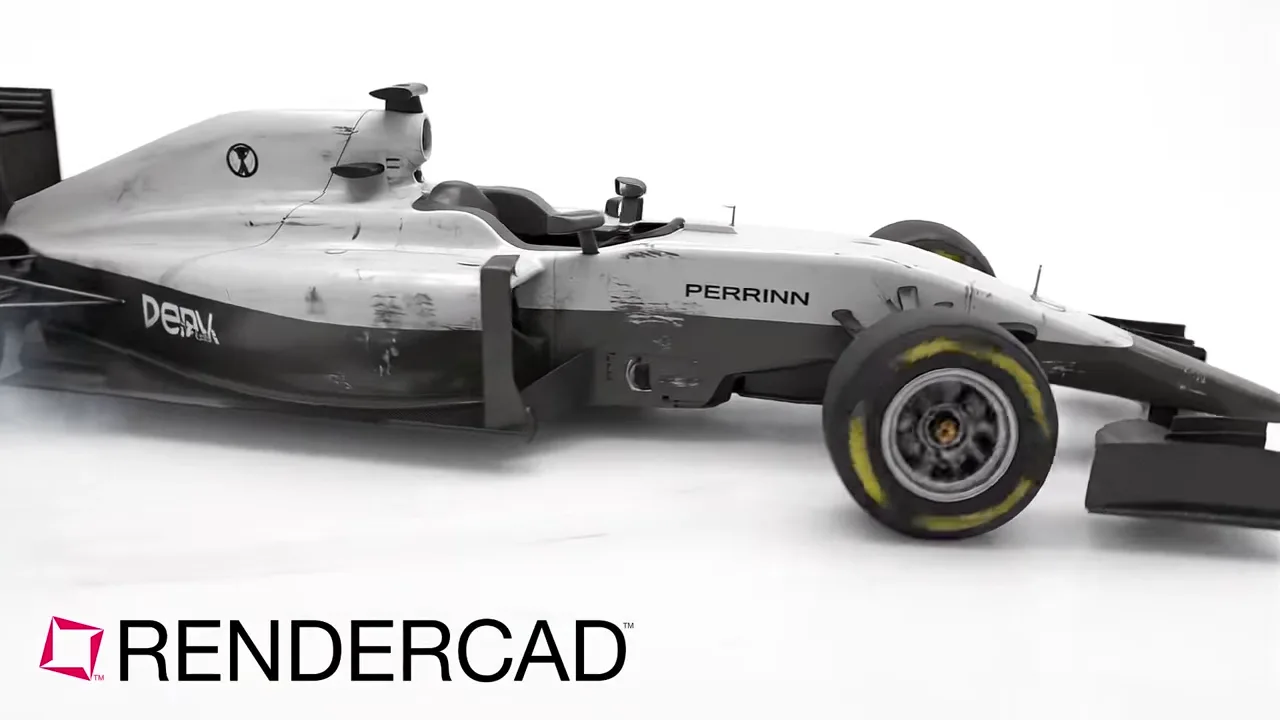
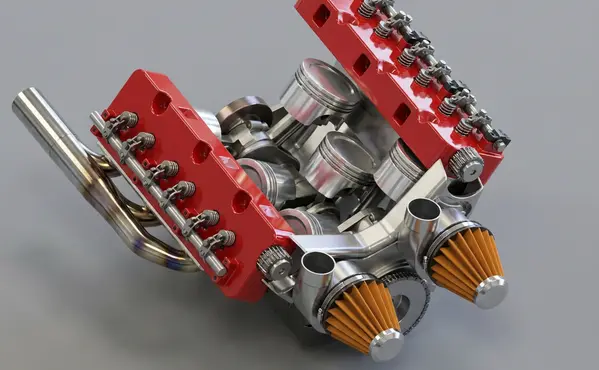
Modeled by CADSharp in Onshape. Rendered with RENDERCAD.
Add | Change | or Remove referenced objects with the stroke of a brush.
RENDERCAD uses a maintained selection of image-generation models for different rendering tasks. Results can vary by model and input, so compare generated output with the source design before relying on geometry, materials, or dimensions.
| Feature | RENDERCAD | Vectorworks Vision |
|---|---|---|
| Engine | Generative AI | Real-time entertainment previsualization for lighting, video, fixtures, and scene geometry |
| Output | Images + Video | Previsualization views, scene files, still captures, and show cueing context |
| Resolution | HD / 4K | Viewport and output settings depend on the local workstation and display workflow |
| Image Speed | Image renders complete in 60 seconds. | Interactive real-time playback depends on scene complexity, fixture data, and hardware |
| Video Speed | Videos complete in 2-5 minutes. | Playback performance depends on scene complexity, fixture data, DMX input, and hardware |
| Scene Set Up | No separate local scene | MVR or Vectorworks scene with fixture modes, DMX patching, media, and camera views |
| Input | Screen Snip | Vectorworks Send to Vision workflow, MVR files, lighting-console input, or recorded DMX |
| Hardware | Cloud GPU | Desktop software for supported macOS and Windows environments |
| Install | None | Desktop installation and a Vision license are required |
| Cost | from $9/mo | License options are offered through Vectorworks. |
Read the numbers. We trust you to know theirs.
Skip a separate local scene build. Pick a condition, material, and background while RENDERCAD handles the image-generation step. Image renders complete in 60 seconds.
 ™
RENDERCAD™
™
RENDERCAD™
Use the browser workflow directly, capture a selected view with the desktop app, or start from the browser extension.
Get StartedCommon solutions for Vectorworks Vision users
Yes. Draw a mask around the product and direct the background region separately. Inspect the full result because unmasked content can still drift during generation.
Yes. Mask a region, then assign a specific reference image just to that masked area. Other areas can have different references or default to the prompt.
Upload a clear image, choose the Realistic engine, and describe the intended glass type, tint, and lighting. Transparency and reflections can vary between generations, so inspect the output before use.
Choose a suitable background and describe a reflective floor. Inspect the generated reflection for alignment, product fidelity, and unintended details.
Yes, use the "Details" field in the video tab to describe elements like "Steam rising" or "Lights flickering."
If the source viewport is visible but a local renderer fails, capture a clear screenshot and use it as a RENDERCAD input. Image renders complete in 60 seconds.
Yes. Upload a photo of a foam model and prompt "Finished plastic product" to visualize the final look.
Use the Realistic engine with a clear input, a specific material description, and a suitable background or reference. Results vary, so review the output against the source product.
Image renders complete in 60 seconds.
Generation runs on cloud infrastructure, so a local rendering GPU is not required. The device still needs sufficient resources for the source application, browser, and network connection.
Context prompts can provide a visual scale cue, but the source model and known dimensions remain authoritative. Do not infer measurements from generated imagery.
RENDERCAD starts from a 2D image and uses generated material and environment direction. Built-in renderers may provide direct scene, geometry, lighting, and material control.