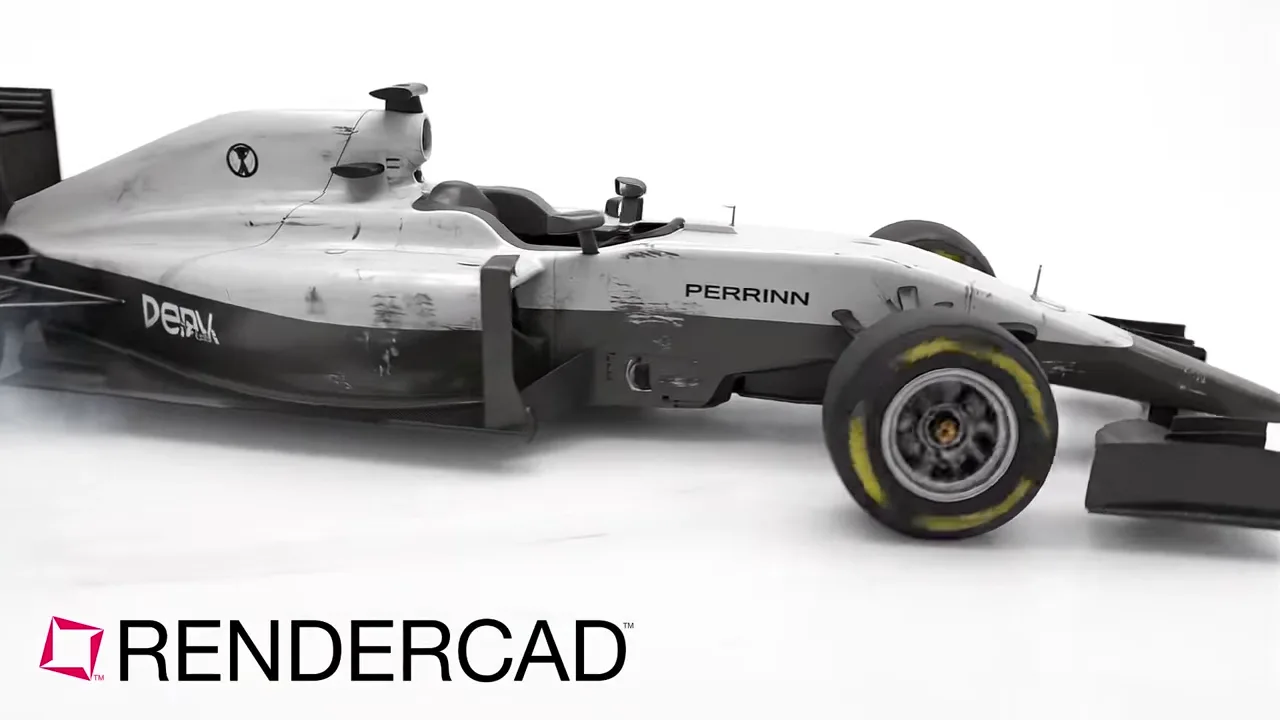
Turn Octane Live Viewer frames into polished visuals for look development and reviews.
Octane Render is a GPU-based, physically based spectral renderer used for stills, animation, product imagery, architectural visualization, motion design, and other DCC workflows. Its interactive viewer and node-based approach help artists assess camera framing, surface response, HDRI or emissive lighting, and atmosphere while a scene is developing.


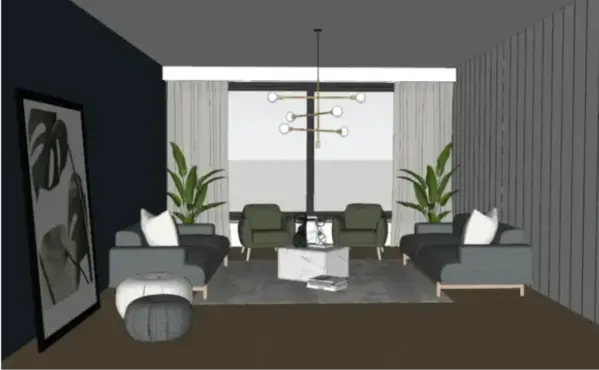
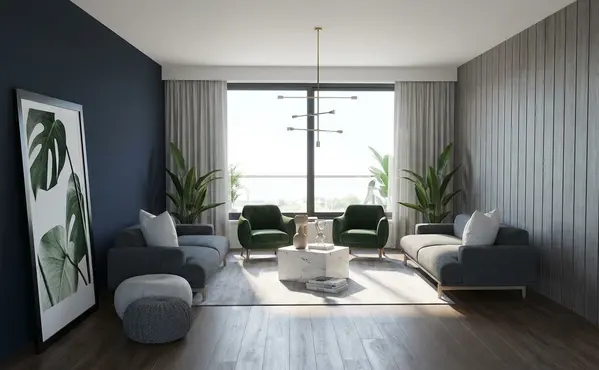


Octane Render is a GPU-based, physically based spectral renderer used for stills, animation, product imagery, architectural visualization, motion design, and other DCC workflows. Its interactive viewer and node-based approach help artists assess camera framing, surface response, HDRI or emissive lighting, and atmosphere while a scene is developing.
Octane Render is particularly useful when an artist is shaping the relationship between a production camera, physically based materials, and lighting in the Live Viewer. A clean frame from a product hero shot, interior, exterior, vehicle, character, or motion-design key art gives RENDERCAD a grounded visual brief: it preserves the readable silhouette, perspective, and main light direction while leaving room to explore presentation choices. Use it to develop a stronger campaign-style backdrop, a more legible material story, alternate atmosphere, set dressing cues, or a polished art-direction reference for a client review, pitch, or portfolio board. This is most effective after the primary geometry and camera are credible, but before every shader, prop, and final lighting decision is locked. RENDERCAD can help communicate a visual direction from that frame; it does not replace Octane's scene, node graph, render passes, animation controls, or physically accurate final output.
In Octane Standalone or an Octane plugin for a DCC application, establish the intended camera, visible geometry, and core material and lighting relationships in the Live Viewer. Let the progressive preview resolve enough for edges, reflections, transparency, and the subject's separation from the environment to read clearly. If the scene uses a texture environment, emissive geometry, or a node-based material network, keep those choices visible in the selected view because they are valuable cues for the downstream visual direction. Hide render regions, selections, and interface elements, then capture a clean frame at the proposed aspect ratio. Upload it to RENDERCAD to explore bounded alternatives such as an editorial studio treatment, an environmental mood, a campaign-ready composition, or a more presentation-focused interpretation. Bring the useful choices back to the Octane scene and reproduce them with its cameras, lights, materials, and compositing workflow. For final delivery, repeatable animation, exact material behavior, or pass-based compositing, render from Octane; RENDERCAD is a review and concept aid, not the authoritative scene renderer.
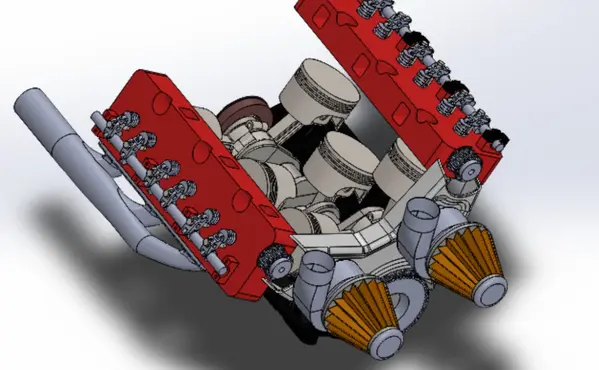
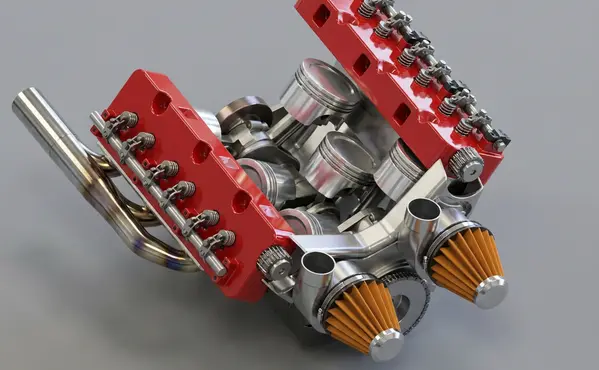
Modeled by CADSharp in Onshape. Rendered with RENDERCAD.
Add | Change | or Remove referenced objects with the stroke of a brush.
RENDERCAD uses a maintained selection of image-generation models for different rendering tasks. Results can vary by model and input, so compare generated output with the source design before relying on geometry, materials, or dimensions.
| Feature | RENDERCAD | Competitor |
|---|---|---|
| Engine | Generative AI | Varies by tool |
| Output | Images + Video | Varies by tool |
| Resolution | HD / 4K | Varies by workflow |
| Image Speed | Image renders complete in 60 seconds. | Varies by scene/tool |
| Video Speed | Videos complete in 2-5 minutes. | Varies by workflow |
| Scene Set Up | No separate local scene | Varies by workflow |
| Input | Screen Snip | Varies by tool |
| Hardware | Cloud GPU | Often local GPU/CPU |
| Install | None | Varies (web or app) |
| Cost | from $9/mo | Varies widely |
Read the numbers. We trust you to know theirs.
Skip a separate local scene build. Pick a condition, material, and background while RENDERCAD handles the image-generation step. Image renders complete in 60 seconds.
 ™
RENDERCAD™
™
RENDERCAD™
Use the browser workflow directly, capture a selected view with the desktop app, or start from the browser extension.
Get StartedCommon solutions for Octane Render users
The Render History page lets you browse and download retained images and videos. Storage duration depends on the account plan, so download assets you need before they expire.
Describe cinematic depth of field and the intended focus area. Check that important product details remain sharp after generation.
The core workflow starts from a selected 2D view, so it does not require native CAD-file conversion or source-model upload.
Reuse a clear history image and change the color instruction or reference. Treat the results as visual options rather than color-managed proof.
Describe the finish, gloss, grain direction, and lighting, or provide an authorized material reference. Generated reflections are visual approximations rather than physically verified material behavior.
It uses generative image models with screenshot or image inputs. Models and features can change over time, so current product documentation is the source of truth.
Video jobs consume credits based on current duration and model settings. Check the pricing page for current costs rather than comparing with an assumed outsourcing price.
Photograph or scan an authorized material swatch and upload it as a reference. Verify the generated texture's scale, direction, and color against the physical sample.
Mask visible components separately when they need different material or color direction. Keep the source model or drawing beside the output because generated boundaries and part relationships can drift.
You can layer a material reference, a lighting reference, and a background reference together. Each guides a different aspect of the final render.
Upload a clear image, then choose a worn condition or describe rust and age in the prompt. Review the result because the generated wear pattern may not match real use or material behavior.
Add phrases like "Light from left," "Backlit," or "Top down lighting" to your custom prompt in RENDERCAD.