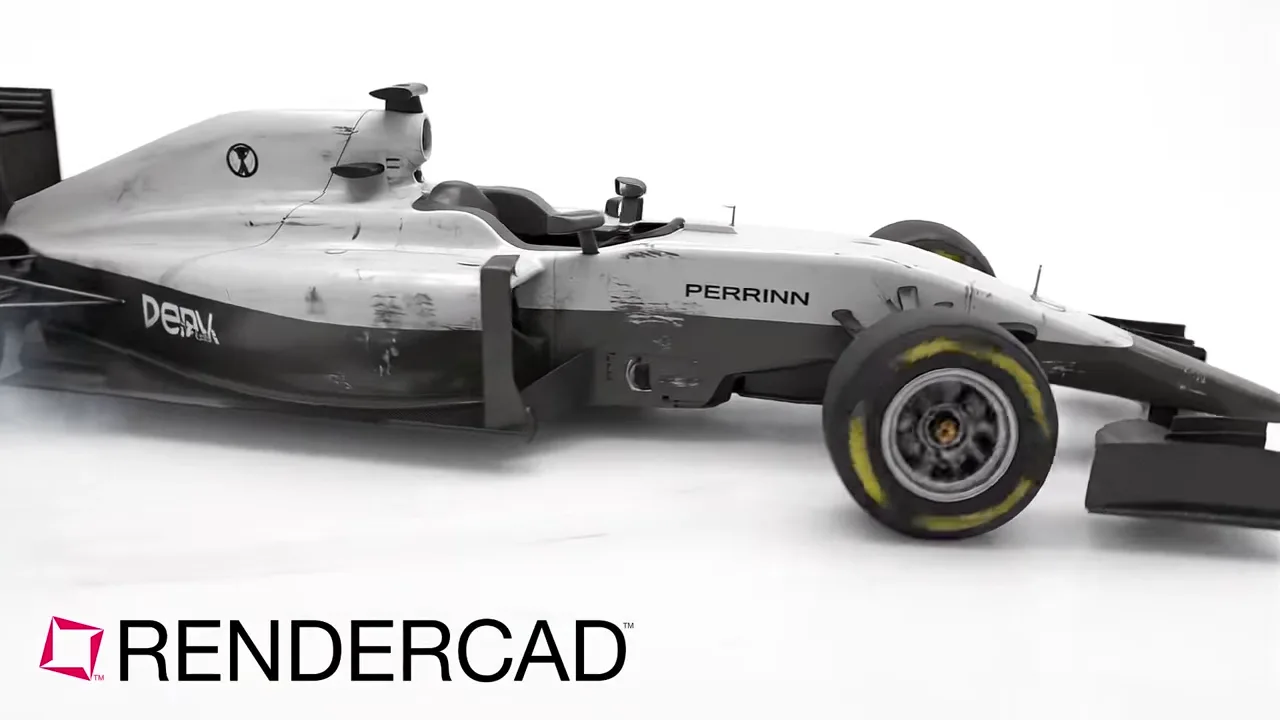
Polished landscape presentation images from iScape concepts.
iScape Designer is a mobile landscape design app for homeowners, designers, and contractors who want to test outdoor ideas against a photo of the actual property. Users can build a 2D concept or supported augmented-reality view with plants, pavers, furnishings, water features, and other hardscape elements, then share the design, inventory selected items, and prepare proposal material. Its most useful output is a clear before-installation visual that keeps the house, yard, and proposed improvements in the same recognizable viewpoint.


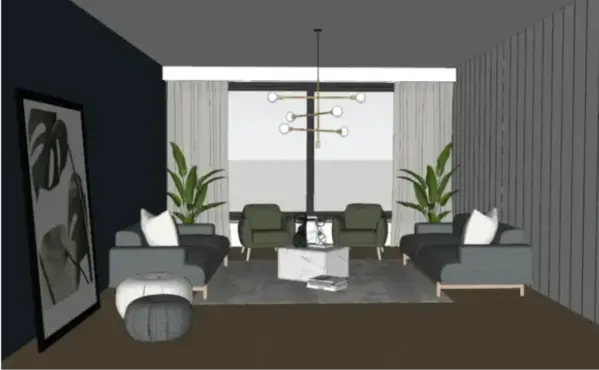
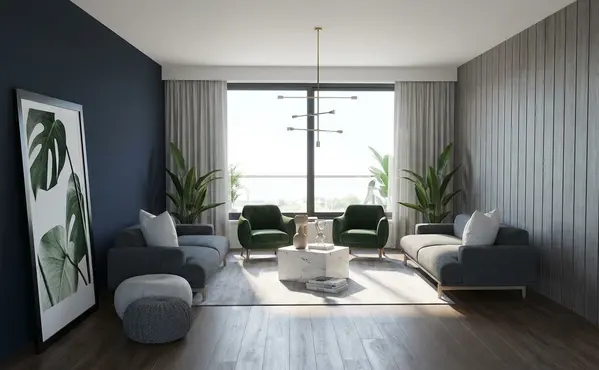


iScape Designer is a mobile landscape design app for homeowners, designers, and contractors who want to test outdoor ideas against a photo of the actual property. Users can build a 2D concept or supported augmented-reality view with plants, pavers, furnishings, water features, and other hardscape elements, then share the design, inventory selected items, and prepare proposal material. Its most useful output is a clear before-installation visual that keeps the house, yard, and proposed improvements in the same recognizable viewpoint.
iScape Designer is a strong starting point when a landscape professional or homeowner needs to explain a patio replacement, front-entry refresh, planting renovation, pool surround, walkway, or outdoor living area in the context of a real yard. Arrange the key plants, paving, furniture, and built features in iScape so the layout and client priorities are clear. RENDERCAD can then develop one clean iScape concept view into a more polished presentation image, with carefully directed daylight, season, planting maturity, material character, and atmosphere. This is useful for a proposal cover, design review, sales presentation, or early client feedback where the image needs to communicate the intended experience. RENDERCAD complements iScape rather than replacing it: keep iScape as the source of truth for item selections, quantities, pricing, dimensions, site conditions, and the final proposal. Generated imagery should not be used to confirm construction details, product availability, or plant suitability.
Begin on site with a level, well-lit property photo for a 2D iScape concept, or use a supported augmented-reality view when it best communicates the change. Place the elements that establish the proposal first: bed edges, circulation, patios or paths, major trees, focal planting, seating, and built features. Before sending a reference to RENDERCAD, choose the most recognizable eye-level view and remove app controls, labels, and measurement overlays. Direct RENDERCAD to preserve the home, existing context, major zones, and proposed feature locations while enhancing visual qualities such as paving texture, mature planting, weather, daylight, and mood. Review a small set of directions with the client, then use the selected image alongside the original iScape design and proposal documents. Recheck selections and installation decisions in iScape before quoting or building.
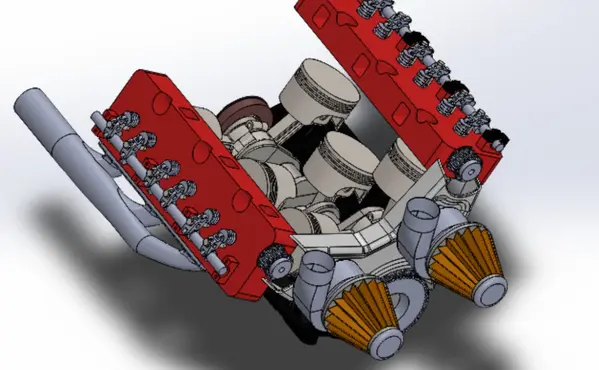
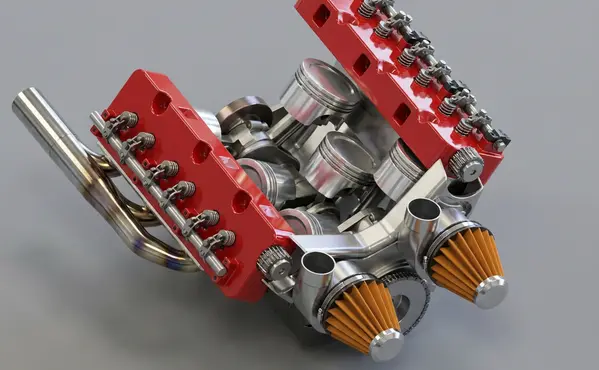
Modeled by CADSharp in Onshape. Rendered with RENDERCAD.
Add | Change | or Remove referenced objects with the stroke of a brush.
RENDERCAD uses a maintained selection of image-generation models for different rendering tasks. Results can vary by model and input, so compare generated output with the source design before relying on geometry, materials, or dimensions.
| Feature | RENDERCAD | iScape Designer |
|---|---|---|
| Engine | Generative AI | Mobile landscape planning and visualization app with photo-based 2D design, supported augmented-reality views, design libraries, inventory, and proposal features |
| Output | Images + Video | Landscape concept views, shareable design images, item inventories, and proposal documents |
| Resolution | HD / 4K | Output quality depends on the device, source photo, app export or screenshot method, and project setup |
| Image Speed | Image renders complete in 60 seconds. | Interactive concept design workflow; the result depends on the source photo, placed elements, and captured view |
| Video Speed | Videos complete in 2-5 minutes. | Not a dedicated finished-video rendering workflow for marketing clips |
| Scene Set Up | No separate local scene | Start with a property photo for a 2D concept or a supported augmented-reality view, then arrange plants, hardscape materials, ground covers, furnishings, and other outdoor elements to communicate the proposal |
| Input | Screen Snip | Property photos, 2D design views, supported augmented-reality views, and library items such as plants, hardscapes, materials, and outdoor furnishings |
| Hardware | Cloud GPU | Mobile app available for iOS and Android, with some features depending on platform and device |
| Install | None | Install the app and create an account; access to features and libraries can vary by subscription |
| Cost | from $9/mo | Offers limited access and subscription options; availability and terms vary by account and platform |
Read the numbers. We trust you to know theirs.
Skip a separate local scene build. Pick a condition, material, and background while RENDERCAD handles the image-generation step. Image renders complete in 60 seconds.
 ™
RENDERCAD™
™
RENDERCAD™
Use the browser workflow directly, capture a selected view with the desktop app, or start from the browser extension.
Get StartedCommon solutions for iScape Designer users
The model can reinterpret curves and surface transitions from the 2D input. Compare the result with the source because edges and geometry can drift.
It accepts a clear viewport screenshot, so a separate local material, light, and camera scene is not required for the image-generation workflow.
It lets you describe motion, steam, lighting changes, or atmosphere for a generated clip. Added details may not exist in the source model.
Yes. An environment reference can guide the visual direction of reflections on metallic or glossy surfaces, but the result is not a physical reflection simulation.
Image references and masks are applied during the initial image render. Once you have your styled image, use the Image-to-Video feature to animate it with camera movements.
Yes, if the license permits this use. A stock image can guide a background or environment, while placement and lighting remain generated interpretations.
Capture a clear view, describe the leather type and finish, and use a material reference when surface direction matters. Review the generated depth and stitching rather than treating them as product specifications.
Choose a suitable background and describe a reflective floor. Inspect the generated reflection for alignment, product fidelity, and unintended details.
Start from an image that clearly shows the existing separated components, then choose the Exploded View product motion. Review the clip against the source because generated motion can alter part boundaries or relationships.
If the source viewport is visible but a local renderer fails, capture a clear screenshot and use it as a RENDERCAD input. Image renders complete in 60 seconds.
Yes. Upload a photo of a foam model and prompt "Finished plastic product" to visualize the final look.
Describe the color code name (e.g., "Traffic Red") in the prompt.