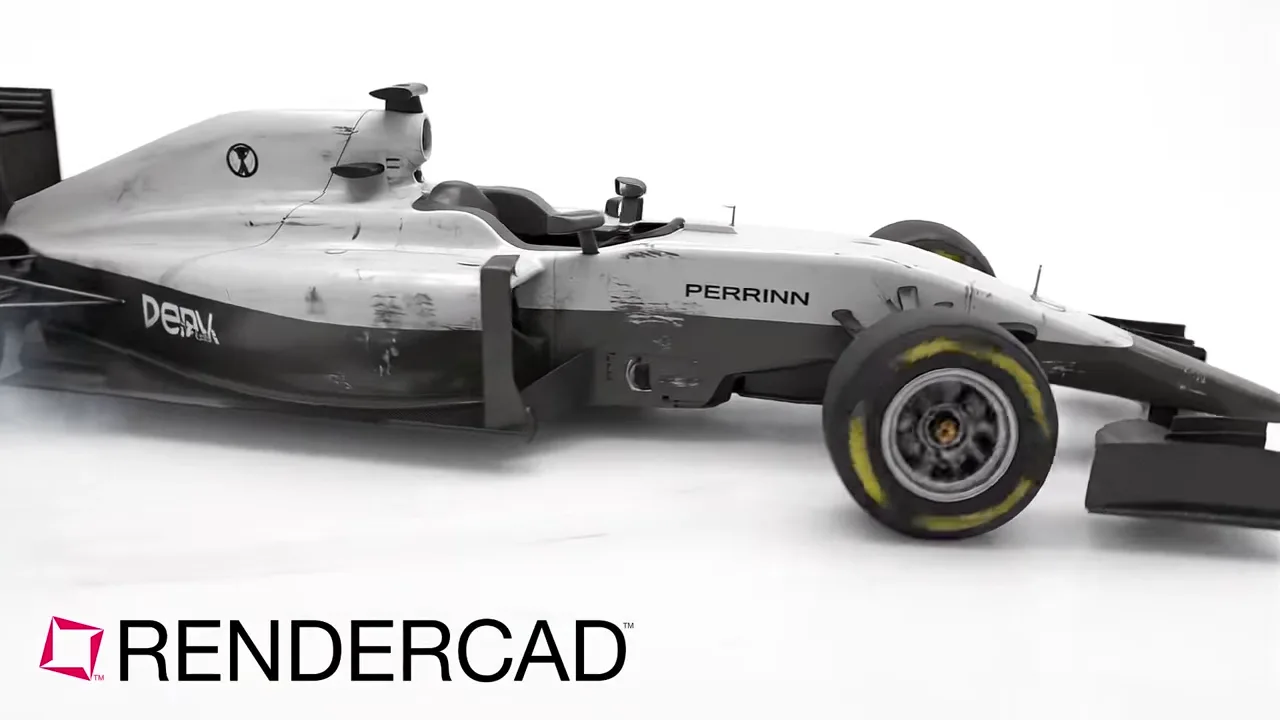
AI still concepts for Houdini FX simulations, shots, and Solaris/USD look development.
AI still concepts from Houdini FX viewport, flipbook, and Solaris captures for pyro, FLIP fluids, destruction, Vellum, crowds, and USD look development.


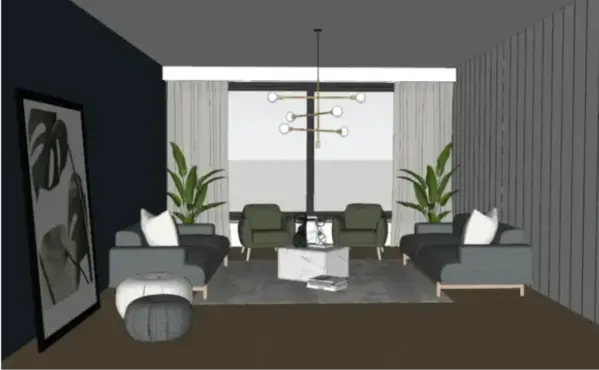
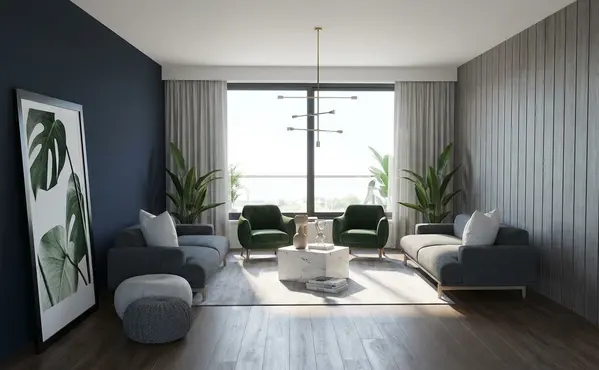
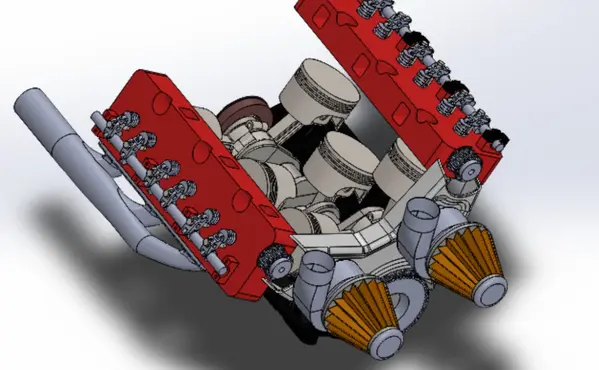
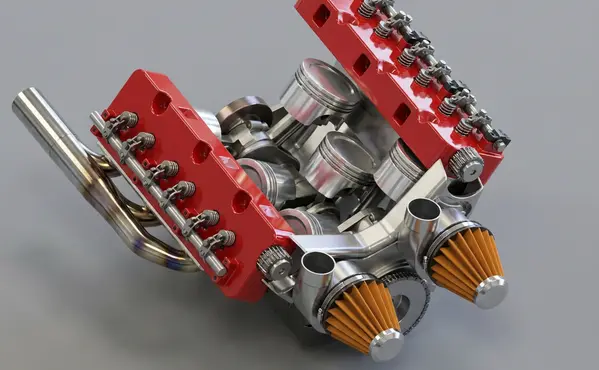


AI still concepts from Houdini FX viewport, flipbook, and Solaris captures for pyro, FLIP fluids, destruction, Vellum, crowds, and USD look development.
Houdini FX artists build effects and shots through procedural networks, simulation caches, and iterative lighting and look development. A clean capture of a Pyro plume, FLIP splash, fractured RBD asset, Vellum cloth or grain setup, or packed crowd layout can give RENDERCAD the essential silhouette, scale, camera, and motion cues for an art-direction still. Solaris is especially useful when the capture shows the composed USD stage: the active camera, key assets, material intent, and practical lighting relationship. Use the resulting visual directions to discuss whether smoke reads at distance, a fluid has the right weight, debris supports the action, or the frame has a convincing mood before committing to a final render. These images suit dailies, client-facing treatment boards, pitch stills, internal lookdev reviews, and portfolio presentation. Houdini FX remains the source of truth for the node graph, simulation cache, animation, USD composition, shader behavior, lighting, and final render passes; a RENDERCAD still is a visual reference, not a replacement for physically evaluated shot output.
First, select a representative frame and establish the review camera in Houdini FX. In Scene View or a flipbook, isolate the effect against enough proxy geometry or environment to communicate scale; for pyro and FLIP, show the volume or surface silhouette clearly. In Solaris, frame the USD stage with the intended camera, asset placement, materials, and lighting direction visible. Hide handles, node panes, selection outlines, collision guides, and other construction-only overlays before capturing the image. Upload that clean view to RENDERCAD and compare still directions for atmosphere, contrast, color separation, surface response, and composition. Bring the selected direction back to Houdini FX through the relevant simulation, camera, lighting, material, and USD layers, then use the approved scene and render settings for final frames and pass delivery.
Modeled by CADSharp in Onshape. Rendered with RENDERCAD.
Add | Change | or Remove referenced objects with the stroke of a brush.
RENDERCAD uses a maintained selection of image-generation models for different rendering tasks. Results can vary by model and input, so compare generated output with the source design before relying on geometry, materials, or dimensions.
| Feature | RENDERCAD | Houdini FX native rendering |
|---|---|---|
| Engine | Generative AI | Karma in Solaris/USD workflows, Houdini viewport rendering, and compatible configured renderers |
| Output | Images + Video | Still images, frame sequences, render passes, and simulation-driven shots |
| Resolution | HD / 4K | Defined in Houdini render settings and the selected output product |
| Image Speed | Image renders complete in 60 seconds. | Depends on the simulation, volume detail, geometry, shading, sampling, and render hardware |
| Video Speed | Videos complete in 2-5 minutes. | Animation is rendered as frames; delivery time depends on shot complexity and available compute |
| Scene Set Up | No separate local scene | Procedural networks, simulation caches, cameras, lights, materials, render settings, and Solaris/USD scene assembly |
| Input | Screen Snip | Houdini scenes, procedural networks, cached simulations, geometry, and Solaris/USD stages |
| Hardware | Cloud GPU | Desktop workflow on operating systems supported by Houdini |
| Install | None | Houdini FX installation, with additional setup for any separately configured renderers |
| Cost | from $9/mo | Houdini FX licensing and any separately configured renderer licensing |
Read the numbers. We trust you to know theirs.
Skip a separate local scene build. Pick a condition, material, and background while RENDERCAD handles the image-generation step. Image renders complete in 60 seconds.
 ™
RENDERCAD™
™
RENDERCAD™
Use the browser workflow directly, capture a selected view with the desktop app, or start from the browser extension.
Get StartedCommon solutions for Houdini FX users
The model can reinterpret curves and surface transitions from the 2D input. Compare the result with the source because edges and geometry can drift.
It accepts a clear viewport screenshot, so a separate local material, light, and camera scene is not required for the image-generation workflow.
It lets you describe motion, steam, lighting changes, or atmosphere for a generated clip. Added details may not exist in the source model.
A material photo can communicate grain, color, and finish more directly than text alone. Compare the result with the intended material because scale and orientation can drift.
Select the glass or transparent components with a mask. Apply glass-specific prompts to the masked area while treating opaque parts differently.
Yes. Mask a region, then assign a specific reference image just to that masked area. Other areas can have different references or default to the prompt.
Describe the intended anodized color and matte or satin finish, then review the generated metal appearance against an authorized material reference when color and finish matter.
Choose a suitable background and describe a reflective floor. Inspect the generated reflection for alignment, product fidelity, and unintended details.
Yes, use the "Details" field in the video tab to describe elements like "Steam rising" or "Lights flickering."
If the source viewport is visible but a local renderer fails, capture a clear screenshot and use it as a RENDERCAD input. Image renders complete in 60 seconds.
Yes. Upload a photo of a foam model and prompt "Finished plastic product" to visualize the final look.
Describe the color code name (e.g., "Traffic Red") in the prompt.