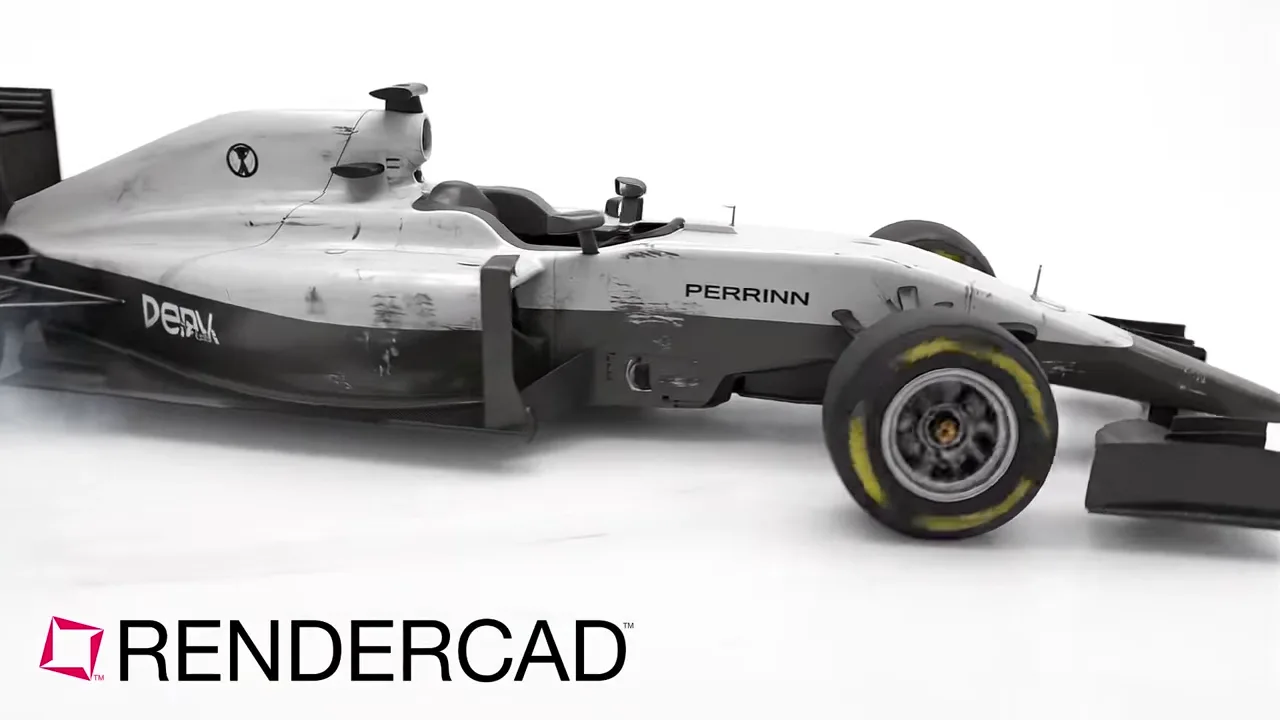
Polished stills from Houdini Apprentice procedural and VFX viewport studies.
Create polished presentation stills from Houdini Apprentice viewport studies of procedural assets, effects simulations, terrain, and Solaris lookdev work. A clear camera or viewport image can help communicate the intended form and mood while the Houdini scene remains the editable source of truth.


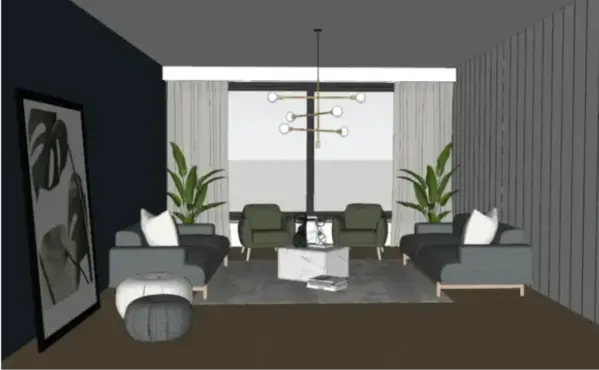
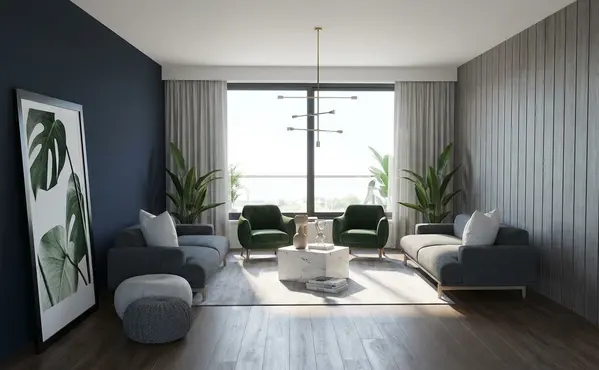


Create polished presentation stills from Houdini Apprentice viewport studies of procedural assets, effects simulations, terrain, and Solaris lookdev work. A clear camera or viewport image can help communicate the intended form and mood while the Houdini scene remains the editable source of truth.
Houdini Apprentice is SideFX's non-commercial edition for learning Houdini's procedural modeling, animation, effects, and lighting workflows. It is well suited to a learner who is iterating on a node-driven SOP asset, a scattered terrain, a pyro or particle test, a vellum study, or a Solaris layout and lookdev scene. Once the important shape, motion moment, or camera composition is visible, RENDERCAD can turn a clean viewport or camera capture into a more polished still for a critique, tutorial recap, portfolio study, or early art-direction conversation. This is especially useful when comparing the silhouette of parameter variations, the sense of scale in an environment, or the lighting and atmosphere around an effects result. The generated still is a presentation aid, not a replacement for the Houdini scene, simulation cache, materials, camera, or final render. Keep Houdini as the source of truth for technical accuracy, animation, and any final non-commercial output.
In Houdini Apprentice, choose a representative frame from the procedural result you want to explain: a modeled asset, destruction or pyro test, particle setup, terrain scatter, or Solaris camera view. Set a useful camera angle, hide construction guides and selection overlays, and capture the view at a readable scale. Upload the image to RENDERCAD to explore a polished presentation still that preserves the overall subject and intended framing. Review it for composition, material direction, lighting mood, environmental context, and how clearly the effect reads at a glance. Then return to Houdini to make the actual parameter, cache, material, camera, and simulation changes. For animated work, use selected still frames for direction and review; render and validate the final frame sequence in Houdini.
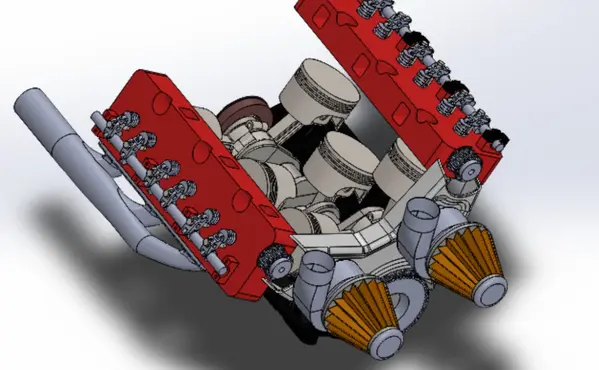
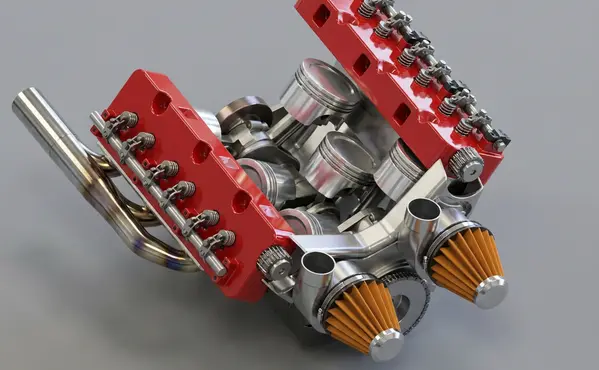
Modeled by CADSharp in Onshape. Rendered with RENDERCAD.
Add | Change | or Remove referenced objects with the stroke of a brush.
RENDERCAD uses a maintained selection of image-generation models for different rendering tasks. Results can vary by model and input, so compare generated output with the source design before relying on geometry, materials, or dimensions.
| Feature | RENDERCAD | Houdini Apprentice native rendering |
|---|---|---|
| Engine | Generative AI | Native Houdini rendering with Mantra or Karma under the non-commercial Apprentice license |
| Output | Images + Video | Non-commercial stills and frame sequences subject to Apprentice output restrictions |
| Resolution | HD / 4K | Native renders are limited to 1920 x 1080 and image formats other than .picnc are watermarked |
| Image Speed | Image renders complete in 60 seconds. | Scene-dependent; volumes, particles, dense geometry, and higher samples can take longer |
| Video Speed | Videos complete in 2-5 minutes. | Animation previews need simulation caching, render setup, and per-frame processing |
| Scene Set Up | No separate local scene | Node networks, cameras, lights, materials, simulation caches, render nodes, and output settings |
| Input | Screen Snip | Non-commercial Houdini scene and asset files, node networks, caches, and viewport or render setups |
| Hardware | Cloud GPU | Desktop Houdini Apprentice workflow for non-commercial learning projects |
| Install | None | SideFX Houdini installation with an active Apprentice license |
| Cost | from $9/mo | Free non-commercial learning license subject to SideFX terms |
Read the numbers. We trust you to know theirs.
Skip a separate local scene build. Pick a condition, material, and background while RENDERCAD handles the image-generation step. Image renders complete in 60 seconds.
 ™
RENDERCAD™
™
RENDERCAD™
Use the browser workflow directly, capture a selected view with the desktop app, or start from the browser extension.
Get StartedCommon solutions for Houdini Apprentice users
Capture a clear view, select the Realistic engine, choose the Factory New condition, and describe brushed aluminum. A material reference can guide grain direction, but review the generated surface against the source design.
Choose a suitable background and describe a reflective floor. Inspect the generated reflection for alignment, product fidelity, and unintended details.
Start from an image that clearly shows the existing separated components, then choose the Exploded View product motion. Review the clip against the source because generated motion can alter part boundaries or relationships.
If the source viewport is visible but a local renderer fails, capture a clear screenshot and use it as a RENDERCAD input. Image renders complete in 60 seconds.
Yes. Upload a photo of a foam model and prompt "Finished plastic product" to visualize the final look.
Use a high-resolution, clear input and Exact style, but expect generated text to drift. Add critical labels in a graphics editor after generation rather than relying on AI text fidelity.
Image renders complete in 60 seconds.
Generation runs on cloud infrastructure, so a local rendering GPU is not required. The device still needs sufficient resources for the source application, browser, and network connection.
Context prompts can provide a visual scale cue, but the source model and known dimensions remain authoritative. Do not infer measurements from generated imagery.
RENDERCAD starts from a 2D image and uses generated material and environment direction. Built-in renderers may provide direct scene, geometry, lighting, and material control.
Provide a material reference or describe the intended scale, then compare the result with known dimensions and the source model.
Use only images you are authorized to submit. A style reference can guide lighting, composition, or general aesthetic, but it does not guarantee that the source design remains unchanged.