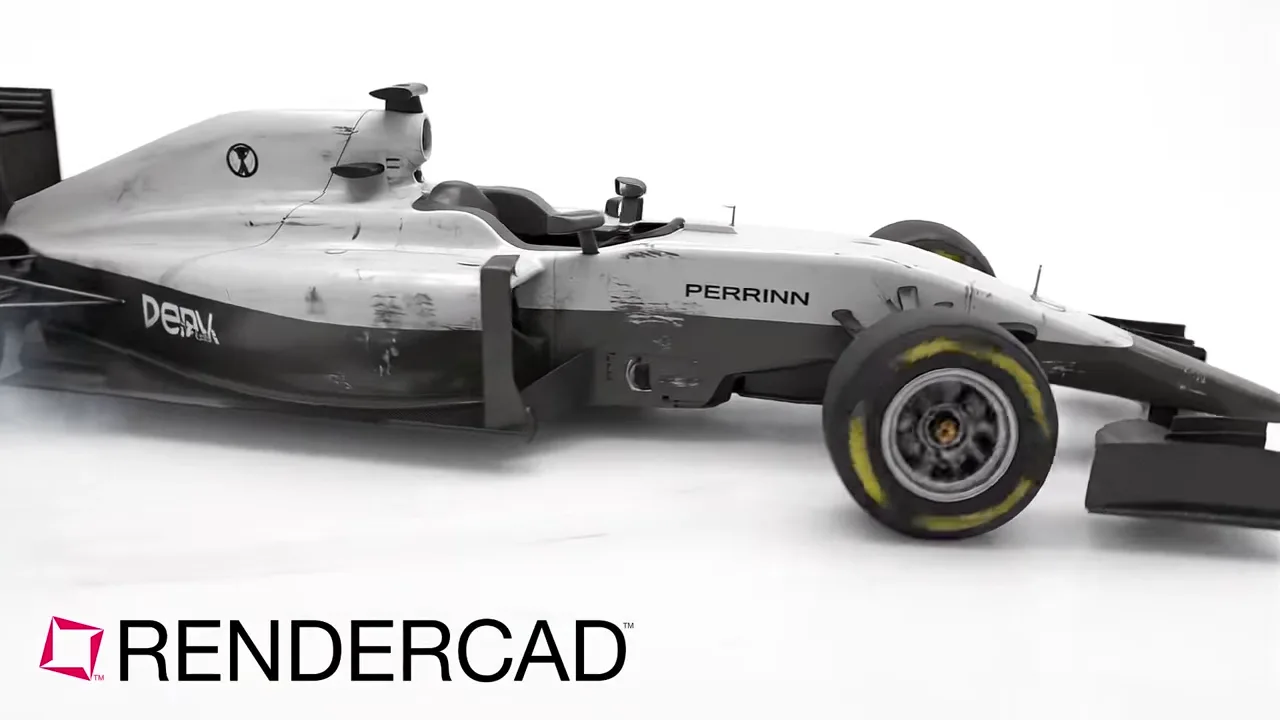
AI presentation visuals from Forge Viewer model captures.
Forge Viewer, now part of Autodesk Platform Services Viewer SDK, embeds interactive 2D and 3D design models in custom browser applications.


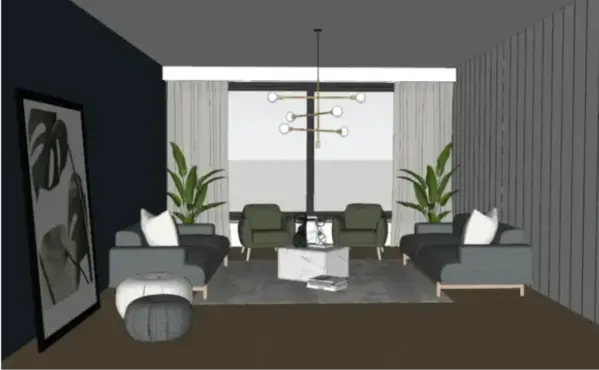

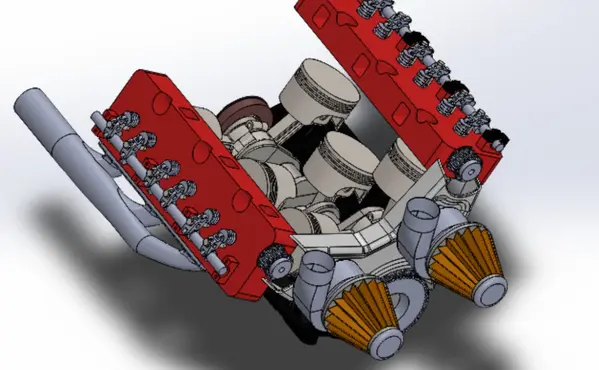
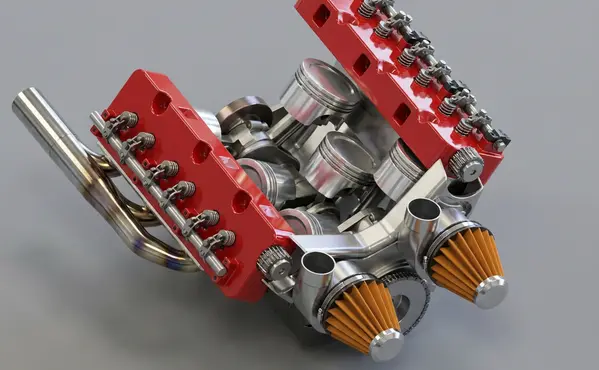


Forge Viewer, now part of Autodesk Platform Services Viewer SDK, embeds interactive 2D and 3D design models in custom browser applications.
Forge Viewer is the familiar name for Autodesk Platform Services Viewer SDK, used by teams building browser applications around 2D drawings and 3D design models. A viewer can be configured for the task at hand: a product team may isolate an assembly and create an exploded view, while an architecture or construction team may use a section cut, object visibility, layers, measurements, or markup to explain a design decision. Those working states are useful evidence for review, but the interface-oriented viewport is not always the right asset for a proposal, launch concept, case study, or stakeholder presentation.
Use the deliberately composed viewer state as the reference for a RENDERCAD visual. It preserves the selected angle, model scope, and visual hierarchy established during the review, giving a renderer a grounded starting point for a cleaner presentation image. This is especially useful when the same embedded model needs a still that communicates an interior, building exterior, assembly, or configurable product more quickly than an interactive screen. RENDERCAD can develop the presentation treatment, while Forge Viewer remains the source of truth for model data, selectable objects, measurements, markups, and live review behavior.
Start in Forge Viewer with the model version and view that reviewers recognize. Frame the camera, then use the relevant viewer tools to isolate components, control object or layer visibility, set an exploded view or section cut, and clear temporary selection highlights or markups that should not appear in the final image. Capture the clean canvas at a useful scale; for 2D work, choose a drawing area whose context can be understood without the surrounding application.
Upload that capture to RENDERCAD with a concise brief describing the intended presentation, such as a daylight exterior, a furnished interior, a product hero image, or a clear assembly explanation. Review the resulting image against the Forge Viewer capture before using it externally, especially where geometry, finishes, labels, clearances, or construction details must remain exact. Keep the interactive Viewer experience for inspection and collaboration, and use the RENDERCAD result as a communication visual rather than a replacement for the underlying design model. Teams building this handoff into their own application can consult RENDERCAD developer documentation.
Modeled by CADSharp in Onshape. Rendered with RENDERCAD.
Add | Change | or Remove referenced objects with the stroke of a brush.
RENDERCAD uses a maintained selection of image-generation models for different rendering tasks. Results can vary by model and input, so compare generated output with the source design before relying on geometry, materials, or dimensions.
| Feature | RENDERCAD | Competitor |
|---|---|---|
| Engine | Generative AI | Varies by tool |
| Output | Images + Video | Varies by tool |
| Resolution | HD / 4K | Varies by workflow |
| Image Speed | Image renders complete in 60 seconds. | Varies by scene/tool |
| Video Speed | Videos complete in 2-5 minutes. | Varies by workflow |
| Scene Set Up | No separate local scene | Varies by workflow |
| Input | Screen Snip | Varies by tool |
| Hardware | Cloud GPU | Often local GPU/CPU |
| Install | None | Varies (web or app) |
| Cost | from $9/mo | Varies widely |
Read the numbers. We trust you to know theirs.
Skip a separate local scene build. Pick a condition, material, and background while RENDERCAD handles the image-generation step. Image renders complete in 60 seconds.
 ™
RENDERCAD™
™
RENDERCAD™
Use the browser workflow directly, capture a selected view with the desktop app, or start from the browser extension.
Get StartedCommon solutions for Forge Viewer users
Use the Realistic engine with a clear input, a specific material description, and a suitable background or reference. Results vary, so review the output against the source product.
It supports fast visual feedback from a clear viewport capture. Image renders complete in 60 seconds.
The current desktop app or browser extension can capture a selected viewport region and send that screenshot into the image workflow. The web upload path remains available without a CAD plugin.
Choose a background or describe the intended environment and lighting. Generated reflections and illumination are visual interpretations, not a scene-based light simulation.
4K is an optional output-resolution step. It increases pixel dimensions but does not restore missing source detail or guarantee print suitability.
It guides the video toward a looping transition. Review continuity after export because the first and last frames may still need editing.
Yes, if you are authorized to use it. A background reference guides environment, lighting, and composition, but generated placement and perspective can vary.
Yes. Use a mask to target the background separately from the foreground product. Review both regions because generation can still alter unmasked content.
Yes. Mask the product and direct the background with an authorized environment reference. Review the full result because product details can still drift.
Describe the velvet color, pile direction, and lighting, or add an authorized material reference. Review the generated texture because fiber scale and light response can vary.
Choose the Dusty condition and describe the intended atmosphere. Generated dust is illustrative, so review how it affects important product details.
Yes. Choose the Dolly In or Dolly Out camera preset in the Video panel, then review the clip for product and geometry fidelity.