Create photorealistic product images and videos.
30 seconds. Zero configuration.
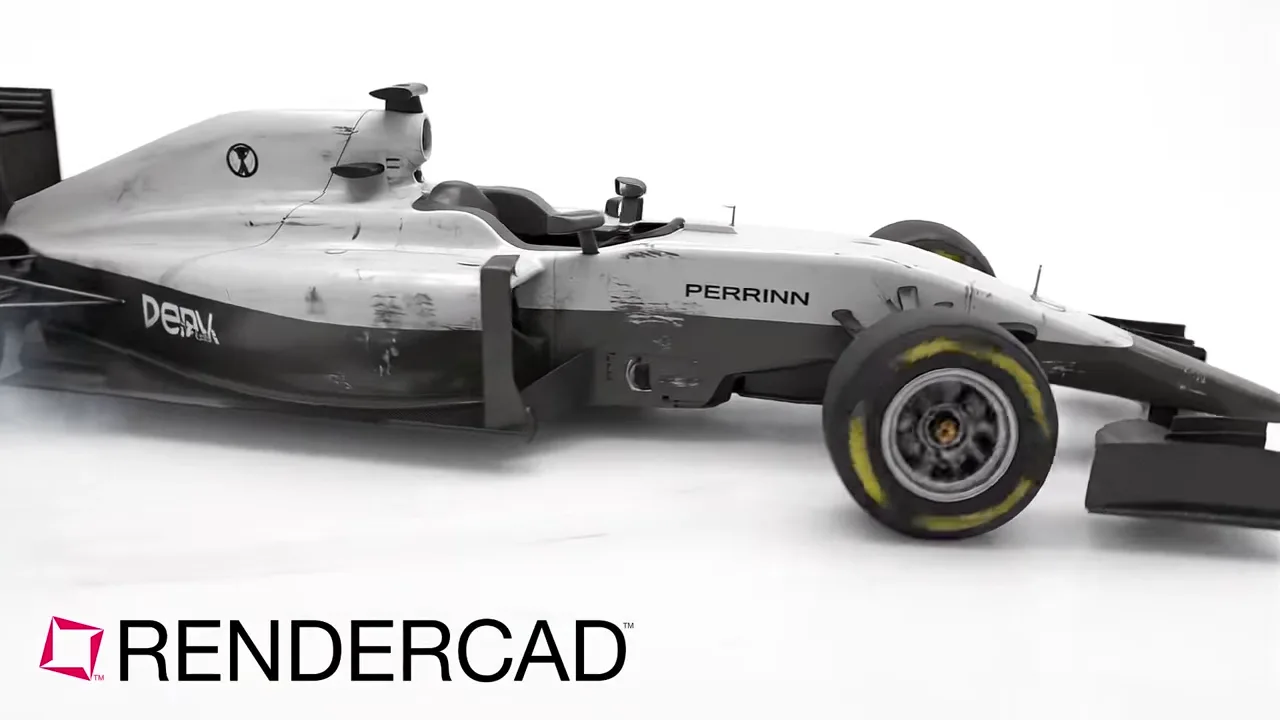
Sports equipment buyers want to see gear in the context where it performs — a mountain bike splashed with trail mud, a kayak cutting through water, a football helmet under stadium lights. Static white-background shots strip away the aspirational energy that drives purchases in this category. Showing durability and ruggedness through environmental conditions is essential, yet staging action shoots is dangerous, weather-dependent, and expensive. RenderCAD lets sellers render equipment in dynamic action contexts with applied conditions like wet, dusty, or grass-stained surfaces that communicate real-world toughness. Color customization previews let buyers visualize their chosen colorway before ordering, reducing returns. The result is imagery that sells the experience of the sport, not just the specs of the product.
Every e-commerce seller knows the equation: better product images mean higher conversion rates. But professional product photography costs $25–100 per SKU, takes days to schedule, and doesn't scale when you're adding fifty new products a month. RenderCAD replaces the entire product photography workflow with AI-powered rendering that produces listing-ready images in 30 seconds from a simple screen capture.
No lightbox, no photographer, no retouching. Capture your product from any 3D viewer, CAD tool, or even a supplier's website, and RenderCAD generates clean, professional images optimized for Amazon, Shopify, Etsy, and every other marketplace. Your product data stays secure—RenderCAD works from screenshots, so no source files are ever uploaded.
Amazon's image requirements are specific: pure white backgrounds, minimum 1000px on the longest side, no watermarks. RenderCAD's background library includes clean white and gradient options that meet these standards out of the box. But listings that convert need more than the main image—they need lifestyle shots, detail views, and context images that tell a story.
Use the 300+ background scenes to place your product in realistic environments: a kitchen counter, a living room shelf, an outdoor patio, a gym bag. These lifestyle renders perform dramatically better than plain white backgrounds for secondary listing images and A+ content modules. Generate an entire image set—main image, lifestyle shots, and detail crops—in a single session using bulk processing.
If you're managing a catalog of hundreds or thousands of SKUs, traditional photography is a logistics nightmare. Coordinating samples, scheduling shoots, and processing images creates a pipeline that's slow, expensive, and breaks every time a product gets updated. RenderCAD's batch processing handles catalog-scale rendering: queue your product captures and let them process while you manage your business.
For e-commerce businesses competing on visual quality, RenderCAD eliminates the tradeoff between great product images and manageable costs. Every SKU gets professional-grade visuals, whether you're selling ten products or ten thousand.
Screenshot your product. Get marketplace-ready images in 30 seconds — white backgrounds, lifestyle contexts, and detail shots that meet Amazon, Shopify, and eBay image standards without a photo studio.
White background for Amazon. Lifestyle scene for Shopify. Transparent PNG for your website. RenderCAD lets you swap backgrounds, change product colors, and adjust materials per marketplace requirement — all from one screenshot. No reshooting, no Photoshop, no listing delays.
RenderCAD's AI engine is trained to produce e-commerce-grade product images — clean lighting, accurate colors, and marketplace-compliant compositions. It understands product photography conventions so your listings look professional without a photo studio or post-production pipeline.
No lightbox. No turntable. No photographer. RenderCAD replaces your entire product photography setup with a screenshot and three selections. Choose from 300+ environments (including marketplace-standard white backgrounds) and 2,500+ materials. Professional product images, zero studio overhead.
Marketplace algorithms favor lifestyle imagery. Add context to your product shots — warm interior lighting, outdoor settings, seasonal themes — with 40+ conditions that transform a simple product capture into a scroll-stopping listing image. No Photoshop. No composite layers.
Your product designs are your competitive advantage. RenderCAD never requires 3D files, CAD exports, or model uploads. Just a screenshot. Your product geometry, manufacturing details, and design IP stay on your machine — while you get marketplace-ready images in seconds.
Hundreds of SKUs need listing images? Queue them all. RenderCAD processes your entire product catalog in parallel — every angle, every background variant, every marketplace format. Our API connects to your inventory system for automated image generation when new products launch.
Screenshot products from your design software, a browser window, or even a photo. RenderCAD's overlay desktop app or browser extension captures anything on your screen and transforms it into marketplace-ready product imagery.
Try NowCommon solutions for Sports Equipment Sellers
RenderCAD is an AI-powered rendering service that transforms your product photos, screenshots, and sketches into photorealistic product images in seconds. Upload any image of your product, choose your settings, and receive studio-quality output — no photography studio, lighting equipment, or 3D modeling required.
No. RenderCAD works with any image source — smartphone photos, supplier images, screenshots, or even rough sketches. The AI handles lighting, shadows, and background generation to produce professional-quality product shots regardless of your input quality.
Upload your product photo by clicking the upload area, dragging and dropping, or pasting from your clipboard. Select your render engine and style, optionally choose a background and material, then click render. Your professional product image is ready in seconds.
Yes. New users receive 3 free render credits with no credit card required. This lets you test the full rendering quality on your actual products before choosing a subscription plan.
No. RenderCAD runs entirely in your web browser. There is also an optional desktop app and browser extension for added convenience, but the full Render Studio is accessible from any modern browser with no installation needed.
RenderCAD accepts JPEG, JPG, PNG, WebP, BMP, and TIFF image files. This covers virtually every image format you would encounter from cameras, phones, supplier catalogs, or screenshots.
The Fast engine produces results in seconds using 1 credit. The Realistic engine takes slightly longer for higher quality output using 2 credits. 4K resolution is also available for an additional 2 credits per render.
Yes. RenderCAD's Render Studio has a mobile-friendly interface with touch-optimized controls including the mask tool with touch support. You can photograph a product with your phone and render it immediately.
No. RenderCAD is designed for anyone regardless of photography or design expertise. The AI handles lighting, shadows, material appearance, and scene composition based on your uploaded image and optional text instructions.
Yes. All RenderCAD subscription plans include full commercial use rights and unlimited exports. You can use your rendered product images on any marketplace, website, advertisement, or marketing material.
RenderCAD uses AI to analyze your product image and generate photorealistic output with professional lighting, shadows, and backgrounds. Upload any product photo, CAD screenshot, or sketch, choose your render settings, and receive polished results in seconds.
No. RenderCAD works entirely from 2D images — photos, screenshots, or sketches. You never need to create or upload 3D models, CAD files, or any specialized file formats.
Yes. You can upload supplier catalog images, manufacturer photos, or basic smartphone shots. The AI analyzes the product and generates enhanced, professional-quality output regardless of the input image quality.
The details field lets you describe what you want — materials, lighting style, background scene, mood, or specific requirements. For example, you might write 'product on white marble countertop with soft studio lighting' to guide the AI.
Yes. Using background references, the Background Library, or text descriptions, the AI can place your product in contextual lifestyle scenes — on a kitchen counter, in a bathroom setting, on a desk, or in any environment you describe.
Your uploaded images and renders are stored securely and are only accessible to your account. RenderCAD does not share your product images publicly.
Yes. The AI can process images of products with intricate geometry, fine details, transparent elements, and complex surfaces. For best results, use clear photos with good visibility of the product details.
The AI analyzes your image to identify the product, its materials, and spatial context. You can further guide it with text instructions to specify materials, finishes, and presentation style for your specific product category.
In Exact style mode, the AI preserves your product design precisely — maintaining colors, proportions, and details. Creative mode may enhance lighting and shadows while keeping the core design intact. You control how closely the output matches your original.
RenderCAD continuously updates its AI rendering capabilities. As a cloud-based service, improvements are available to all users automatically without any software updates or downloads.
You can upload via file browser, drag and drop, clipboard paste, the RenderCAD desktop app, the browser extension, or the live viewport capture feature. Each method gets your product images into the workspace quickly.
Yes. You can upload multiple product images to the workspace simultaneously. They appear in a grid layout and can all be rendered in a single batch operation, which is ideal for catalog updates.
Yes. Copy a screenshot or image to your clipboard and paste it directly into the RenderCAD workspace using Ctrl+V or Cmd+V. This is especially fast when working with supplier catalogs or manufacturer images.
RenderCAD accepts JPEG, JPG, PNG, WebP, BMP, and TIFF files. Any standard photo format from your camera or phone works. PNG is recommended if your product image has transparency.
Yes. Smartphone photos work well as input for RenderCAD. The AI enhances lighting and generates professional backgrounds regardless of whether the original was shot in a studio or on your kitchen table.
Live viewport lets you share your screen or a browser tab directly in RenderCAD. You can capture frames from the live feed, crop the capture region, and send those frames to the render workspace — useful for capturing products from video calls or web-based tools.
You would need to screenshot or export images from the PDF first. Then upload the extracted images as JPEG, PNG, or any supported format. RenderCAD works with standard image files, not PDF documents directly.
Your original uploads are preserved in the workspace alongside the rendered outputs. You can toggle between viewing the original and rendered versions of each image, and re-render with different settings at any time.
Yes. You can upload scanned or photographed sketches, rough mockups, or conceptual drawings. The AI interprets the design and generates a photorealistic product visualization from it.
The RenderCAD browser extension lets you capture and send product images to your Render Studio workspace directly from supplier websites, manufacturer catalogs, or any web content — without saving and re-uploading files manually.
RenderCAD offers two engines: Fast (1 credit per render) for quick product image iterations, and Realistic (2 credits per render) for higher quality output with better material detail, lighting, and support for references and masks.
Use the Fast engine for quick previews, testing different compositions, early concept exploration, and any situation where speed matters more than maximum quality. It is ideal for rapidly iterating through product angle ideas.
Use the Realistic engine for final product listing images, marketplace submissions, marketing materials, and any render where material accuracy, lighting quality, and background precision are priorities.
Reference images, mask editing, custom materials via reference slots, custom backgrounds via reference slots, object removal, 4K resolution, and non-default conditions all require the Realistic engine.
Yes. You can render the same product image with both engines to compare results. This is a cost-effective way to decide which engine to use for your final product images — 1 credit for Fast, 2 credits for Realistic.
No. The Fast engine does not support reference images, masks, or conditions other than Pristine. For product shots requiring specific materials, backgrounds, or masking, use the Realistic engine.
Both engines can produce white background product images. The Fast engine works well for quick clean shots, while the Realistic engine offers more control with background references and produces more precise lighting and shadows.
A 4K product image costs 4 credits total: 2 credits for the Realistic engine (required for 4K) plus 2 additional credits for the 4K resolution upgrade.
Yes. The Realistic engine produces noticeably better material textures, more accurate reflections, sharper details, and more natural lighting. For marketplace hero images, the quality difference is worth the extra credit.
RenderCAD offers three render styles: Exact (preserves your product design precisely), Creative (AI improves lighting and shadows), and Freeform (full prompt control without a system template). Each serves different product photography needs.
Use Exact style when the rendered product must closely match the original photo — preserving exact colors, shapes, and proportions. This is ideal for product listings where accuracy is critical, such as compliance images or catalog shots.
Creative style is ideal for lifestyle and marketing images where enhanced lighting, natural shadows, and improved visual appeal matter more than pixel-perfect accuracy. It produces more polished, aspirational product shots.
Freeform style gives you full prompt control with no system template applied. This is useful for experimental product shots, artistic brand imagery, or when you want to heavily guide the AI with detailed custom instructions.
For main listing images requiring product accuracy, use Exact style. For secondary lifestyle images and A+ content, Creative style produces more visually appealing results with enhanced lighting and atmosphere.
Yes. You can render the same product image in all three styles to compare results and choose the best one for each use case. Each render consumes credits based on the engine selected, not the style.
No. The render style does not change the credit cost. Cost is determined by the engine (Fast at 1 credit or Realistic at 2 credits) and resolution (HD included or 4K at +2 credits).
Yes. Reference images, materials, backgrounds, and masks work with all three render styles when using the Realistic engine, giving you full control over both style interpretation and specific visual elements.
For controlled studio shots with specific backgrounds, Exact style preserves your product faithfully while the background reference handles the scene. Creative style works well for lifestyle scenes where natural-looking lighting integration matters.
RenderCAD offers HD resolution (included with all renders) and 4K resolution (an additional 2 credits, available with the Realistic engine only). HD is sufficient for most marketplace listings, while 4K is ideal for zoom-in detail views and print.
Yes. HD resolution meets the image requirements for Amazon, eBay, Etsy, Shopify, and other major e-commerce platforms. Most marketplaces display images at web resolution where HD provides excellent quality.
Use 4K for products where fine detail matters at zoom — jewelry, electronics, textured fabrics, or any product where customers zoom in to inspect quality. Also use 4K for print catalogs, packaging inserts, and large-format displays.
All rendered product images are output as PNG files, which preserve full quality without compression artifacts. PNG supports transparency and is universally accepted by all e-commerce platforms.
Rendered images are provided as PNG. You can convert to JPEG or any other format using standard image tools if a marketplace or workflow requires a different format.
Yes. 4K resolution is only available with the Realistic engine. A 4K render costs 4 credits total — 2 for the Realistic engine plus 2 for the 4K upgrade.
HD resolution works well for social media product ads on Instagram, Facebook, TikTok, and Pinterest. The standard HD output provides sharp, professional-quality images at social media display sizes.
HD works for digital catalogs and smaller print applications. For large-format print catalogs, packaging, or trade show materials where products are displayed at significant size, 4K resolution provides the extra detail needed.
Reference images guide the AI by showing it exactly what material, background, or style you want. You can upload up to 3 reference images per render, each with its own type: Custom, Material, Background, or Remove.
You can use up to 3 reference images per render. Each slot can be set to Custom (your own upload), Material (from the library), Background (from the library), or Remove (for object removal via mask).
Yes. Set a reference slot to Custom type and upload a photo of the exact material you want — a fabric swatch, wood sample, metal finish, or any surface. The AI applies that material appearance to your product.
Material references pull from RenderCAD's library of 2,546 textures. You can browse by category, filter by color, or search by name to find the exact finish for your product — wood grain, brushed metal, leather, marble, and more.
Background references set the scene behind and around your product. You can choose from 300+ backgrounds in the library (nature, studio, roads, interior, exterior) or upload your own custom background image.
The Remove reference type uses a mask to identify and remove unwanted objects from your product image — such as props, hands, stands, or background clutter that you want eliminated from the final render.
Yes. Each reference slot has an optional prompt field where you can describe how that reference should be applied. For example, a material reference might include a prompt like 'apply as matte finish to the product surface.'
No. Reference images require the Realistic engine (2 credits per render). The Fast engine does not support reference images, masks, or conditions beyond the default Pristine setting.
Yes. Each reference slot has an optional mask editor that lets you paint exactly where the reference should be applied. This is particularly useful for applying materials to specific product areas or removing specific objects.
You can use the Custom reference type to upload any image as a style guide. The AI uses it as visual direction for materials, lighting, or scene style — it does not copy the image directly.
The Material Library contains 2,546 textures that you can apply to your product renders. Browse by category, filter by 11 colors (black, white, gray, brown, red, orange, yellow, green, blue, purple, pink), or search by name.
In a reference slot, select Material type, then browse or search the Material Library. Choose your texture, optionally use the mask tool to apply it to a specific product area, and the AI renders your product with that material finish.
Yes. Render the same product image multiple times with different material references to show variations — brushed steel, matte black, rose gold, or any finish from the 2,546 available textures.
Yes. All 2,546 textures in the Material Library are licensed, meaning they are free for any use including commercial product images with no attribution required.
Yes. The Material Library supports filtering by 11 colors: black, white, gray, brown, red, orange, yellow, green, blue, purple, and pink. This makes it easy to find materials that match your brand color palette.
The library includes a wide range of surface textures — metals, woods, fabrics, leathers, stones, ceramics, plastics, and more. With 2,546 textures organized by category, you can find materials for virtually any product type.
Yes. Set the reference slot to Custom type and upload your own material photo — a fabric swatch, surface sample, or any texture. The AI applies that material appearance to your product render.
Yes. Use the mask tool within the reference slot to paint exactly which area of your product should receive the new material. This allows you to change the finish on handles, surfaces, or specific components independently.
Instead of photographing every color and material variant separately, render one product photo with different materials applied. This lets you show walnut vs oak, chrome vs matte black, or leather vs fabric — from a single original image.
Yes. The Material Library includes a search function so you can find textures by name. Type keywords like 'walnut,' 'brushed steel,' or 'marble' to quickly locate the material you need.
The Background Library contains 300+ backgrounds organized by category: nature, studio, roads, interior, and exterior. You can also use Auto (AI-selected), upload your own, set a custom color via HSV picker, or choose solid options (white, grey, gradient).
In the background options, select Solid and choose White. This produces a clean white background suitable for marketplace main images. You can also choose Grey or Gradient for variation.
Yes. Choose from 300+ backgrounds in categories like interior, exterior, and nature to place your product in contextual lifestyle settings — a kitchen countertop, living room shelf, outdoor table, or any scene.
The Background Library is organized into nature, studio, roads, interior, and exterior categories. This covers everything from professional studio setups to real-world lifestyle environments for contextual product photography.
Yes. Select the Upload option in background settings to use your own background image. This is useful when you have specific brand environments, store photos, or custom scenes you want products placed in.
Yes. Use the Custom Color option with the HSV picker to set any exact color as your background. You can also enter a custom hex code for precise brand color matching.
The studio category includes various professional photography studio setups — seamless backgrounds, gradient lighting, colored gels, and more. The Solid options also provide pure White, Grey, and Gradient studio looks.
Yes. The Auto option lets the AI select an appropriate background based on your product and any text instructions you provide. This is a quick way to get a contextually appropriate scene without browsing the library.
Interior backgrounds place your product in home or office settings — on a desk, shelf, countertop, or in a room scene. These lifestyle shots help customers visualize the product in their own space, which can improve conversion rates.
Yes. You can use multiple reference slots simultaneously — one for background and another for material. With up to 3 reference slots per render, you can control background, material finish, and object removal all in one render.
Master Background applies the same background to all images in a batch render. Instead of setting a background for each product individually, you set it once and every product in the batch receives the same consistent background.
When shooting an entire product line, Master Background ensures every item appears in the same environment — same studio setup, same lifestyle scene, or same white background. This creates a cohesive, professional catalog appearance.
Yes. Master Background uses 1 reference slot per image in the batch. Since each image supports up to 3 reference slots, you still have 2 remaining slots available for materials or other references on each product.
Yes. You can batch render different products — a mug, a phone case, and a t-shirt — and Master Background applies the same scene to all of them, creating a unified product line presentation.
Master Background supports the same options as individual backgrounds: Library backgrounds (nature, studio, interior, exterior, roads), custom uploads, custom colors via HSV picker, solid options (white, grey, gradient), and Auto.
Yes. If you sell multiple products across a category, Master Background lets you render your entire lineup with the same professional environment in one batch operation, saving significant time compared to setting up each image individually.
Yes. You can set a different Master Background for each batch. For example, render all products on white for marketplace compliance, then re-render with a lifestyle scene for your brand website or social media.
Master Background uses reference slots, which require the Realistic engine (2 credits per render). The Fast engine does not support reference images.
Master Material applies the same material texture to all images in a batch render. This is ideal for showing how an entire product line looks in a specific finish — all items in brushed gold, matte black, or any material from the library.
Instead of photographing each color option separately, upload one photo and use Master Material with different textures across batches. Render your product in white, black, navy, or any material finish from the 2,546 available textures.
Yes. Master Material uses 1 reference slot per image in the batch. You still have up to 2 remaining reference slots available for backgrounds, custom references, or object removal on each product.
Yes. Master Material can be masked to affect only specific regions of each product. For example, apply a new material only to the product body while keeping handles, buttons, or accents unchanged.
Yes, but each uses 1 reference slot per image. Since each image supports up to 3 reference slots, using both together leaves 1 remaining slot for additional custom references or object removal.
Master Material supports any texture from the Material Library of 2,546 textures. Browse by category, filter by 11 colors, or search by name. You can also use a custom uploaded material image.
If you sell a product in 5 color variants, you only need one original photo. Render it 5 times with different Master Materials applied to generate all 5 variant images — far faster and cheaper than separate photoshoots for each color.
No. Master Material uses reference slots, which require the Realistic engine (2 credits per render). The Fast engine does not support reference images or masks.
Conditions are surface state presets that control how your product appears — from pristine and factory-new to weathered, distressed, or covered in environmental effects. There are over 40 conditions available grouped by category.
Clean conditions include Pristine, Factory New, Polished, Gleaming, and Glazed. These are ideal for product listings where you want items to look brand new, fresh from the box, and at their absolute best.
For main product listing images, Pristine or Factory New conditions present your product in its ideal state — clean, flawless, and professional. These conditions ensure your product looks its best for the primary marketplace photo.
Yes. Moisture & Temperature conditions include Frosted, Wet, and Steaming. These are useful for beverage products, beauty items, or food-related products where condensation or frost adds visual appeal.
Yes. Heavy Wear conditions like Distressed, Chipped, Battered, and Abraded can demonstrate what a product looks like after use. This is relevant for products marketed as durable or rugged, or for honest secondhand listings.
Yes. Environmental conditions include Mud-covered, Dirt-covered, Sand-covered, and Snow-covered. These help outdoor and adventure product sellers show items in real-world use scenarios.
Conditions add visual interest and storytelling to product images. A Wet condition on a water bottle, Gleaming on jewelry, or Sand-covered on outdoor gear creates compelling lifestyle imagery that stands out from standard product shots.
Conditions beyond the default Pristine setting require the Realistic engine (2 credits per render). The Fast engine defaults to Pristine and does not support other condition options.
Yes. Conditions work alongside material references, background settings, and all other render options when using the Realistic engine. You can create highly specific product presentations combining all these elements.
The Accumulation & Age category includes Weathered, Oxidized, Rusted, Patina, Light/Medium/Heavy Wear, and Sun-bleached. These are useful for vintage sellers, antique dealers, or brands that celebrate aged aesthetics.
The Mask Tool lets you paint over specific areas of your product image to control where effects are applied. It includes Brush (adjustable 5-150px), Eraser, Lasso selection, Inversion, and Clear — with full touch support for tablet use.
Masking lets you isolate specific areas for targeted changes. Apply a new material only to a product handle, remove a background element near the product edge, or change the color of one component while keeping everything else unchanged.
The Mask editor includes a Brush tool (adjustable from 5px to 150px for fine to broad strokes), Eraser for corrections, Lasso for quick selections of larger areas, Inversion to flip the mask, and Clear to start over.
Yes. The Mask Tool has full touch support, so you can paint masks with your finger or stylus on a tablet or touchscreen device — useful for quick edits on the go.
Open the mask editor for a Material reference slot. Use the Brush or Lasso tool to paint over the area you want to change — such as the seat of a chair or the band of a watch. Only the masked area receives the new material.
Yes. The Inversion feature flips your mask so everything except what you painted is selected. This is useful when it is easier to mask the small area you want to protect rather than the large area you want to change.
The Brush tool adjusts from 5px for fine detail work around product edges to 150px for quickly covering large areas. This range allows precise masking of intricate product features like buttons, logos, or small components.
Yes. When using a Remove type reference slot, the mask identifies exactly which object or area you want removed from the image. Paint over the unwanted element — a prop, hand, stand, or shadow — and the AI removes it.
Yes. Set a reference slot to the Remove type, use the mask tool to paint over the unwanted object — a hand, stand, prop, or background clutter — and the AI removes it from the rendered image.
Yes. You can use background options to replace the existing background entirely. Choose a solid white background, a studio setup, or a lifestyle scene to replace whatever background was in your original product photo.
Use a reference slot set to Remove type. Paint a mask over the display stand with the Brush or Lasso tool. The AI removes the stand and fills the area naturally, leaving your product cleanly isolated.
You can mask and remove visible reflections or unwanted elements using the Remove reference type. For shiny or reflective products, this helps eliminate studio reflections that distract from the product itself.
Yes. Within a single Remove reference slot, you can mask multiple areas — paint over several objects in one mask and the AI removes all of them in a single render.
Object removal lets you clean up amateur product photos by removing distracting backgrounds, props, hands, price tags, or any element that detracts from the product. This transforms casual photos into clean, professional listing images.
You can use the Remove reference type with masking to attempt removal of overlaid elements. Results depend on how much the element obscures the product. For best results, use images where the product is clearly visible.
Yes. Object removal uses the Remove reference type, which requires the Realistic engine (2 credits per render). The Fast engine does not support reference slots or masking.
RenderCAD includes a built-in Image Editor with Brush, Eraser, Fill, Lasso, Crop, Text, Shapes, and Layers tools. It supports 50-state undo/redo and zoom from 5% to 500% for detailed work.
Yes. The Crop tool supports free cropping and preset aspect ratios: 1:1 (square for Instagram and marketplaces), 4:3, 3:2, 16:9, 21:9, and 9:16 (vertical for Stories and TikTok). This covers all common marketplace and social media formats.
Yes. The Text tool lets you add text directly to your product images — useful for sale badges, size labels, feature callouts, or promotional overlays before downloading for use in listings.
Yes. The Shapes tool lets you add geometric shapes — useful for highlighting product features, creating size comparison overlays, or adding simple graphic elements to listing images.
The Layers system lets you work with multiple elements stacked on your canvas. You can arrange, edit, and manage different elements independently — useful for building complex product compositions.
The Image Editor supports 50-state undo and redo. You can step back through up to 50 editing actions and redo them, giving you extensive flexibility to experiment without losing work.
Yes. The editor supports zoom from 5% to 500%, allowing you to zoom in for precise pixel-level editing of product details and zoom out to see the full composition.
Yes. You can crop to required aspect ratios (1:1 for square marketplace thumbnails), add text overlays for infographic images, touch up small details, and ensure your product images are pixel-perfect before uploading to any platform.
Render iterations let you re-render an existing output to refine and improve it. You can use the rendered result as the input for another render pass, applying masks for artifact removal or making targeted material and lighting changes.
There is no limit on render iterations. You can re-render your product image as many times as needed to achieve the perfect result. Each iteration consumes credits based on the engine and resolution selected.
Yes. If a render has a small artifact or imperfection, use the mask tool to mark the area and re-render. The AI focuses on fixing just that region while preserving the rest of the image.
Yes. Use a render iteration with a new material reference and mask. Apply the mask to the area you want to change and re-render — the AI updates just that section with the new material.
Iterations let you progressively refine a product image — fix a shadow, improve a reflection, clean up an edge, or adjust a material — until it meets your exact standard for marketplace listings.
Yes. Use a render iteration with a new background reference. The AI replaces the background while keeping your product intact, allowing you to test different environments on an already-rendered product image.
Yes. Each render iteration consumes credits based on the engine and resolution selected — the same cost structure as an initial render. Fast costs 1 credit, Realistic costs 2 credits, and 4K adds 2 additional credits.
Render iterations work on still images. If you want to improve a product image before generating video from it, refine the still image through iterations first, then use the finalized image as input for video generation.
Yes. RenderCAD's Image-to-Video feature transforms your product image into a professional video. Choose from 4-second (4 credits), 6-second (6 credits), or 8-second (8 credits) durations with various camera movements and product motions.
Product videos are available in three durations: 4 seconds (4 credits), 6 seconds (6 credits), and 8 seconds (8 credits). Choose based on your platform requirements — shorter for social ads, longer for detailed product showcases.
Product videos render at 720p (included) or 1080p (adds 1 credit). For most social media and marketplace video requirements, 720p provides good quality. Upgrade to 1080p for premium listing videos and website use.
Product videos are available in MP4, WebM, and GIF formats. MP4 is universally supported by all platforms. WebM is optimized for web. GIF works for simple autoplay animations on websites and emails.
Product videos support Exact and Creative styles. Exact preserves your product faithfully in the video, while Creative allows the AI to enhance lighting and presentation for more polished, aspirational product footage.
Yes. The Seamless Loop end frame option creates a video that loops smoothly using a crossfade of 0 to 2 seconds. This is ideal for website hero banners, digital signage, and social media autoplay.
End frame options include None (video ends naturally), Seamless Loop (crossfade for continuous playback), From History (use a previous render as the end frame), and Upload (provide your own end frame image).
Product video generation takes longer than still renders — typically under a few minutes depending on duration and settings. The result is a professional video that would normally require videography equipment and editing.
Yes. Amazon allows product videos in listings and A+ content. RenderCAD product videos in MP4 format meet Amazon's video specifications and can be uploaded directly to your Seller Central account.
Product videos show items from multiple angles, demonstrate scale, and create engaging content that static images cannot. Video listings consistently outperform image-only listings on marketplaces and social commerce platforms.
RenderCAD offers 20+ camera movements including Auto, Fixed, Slow Push-In, Pull-Back, Rack Focus, Dolly Zoom, Truck Left/Right, Pedestal Up/Down, Flyover, Cinematic Orbit, Spiral, Pan Swivel, Handheld, Crash Zoom, Low Angle Rise, Dutch Angle, Top-Down Spin, Follow Cam, and 180° Arc.
Cinematic Orbit or 180° Arc are ideal for showing a product from multiple angles, giving customers a comprehensive view. Spiral adds a dynamic upward or downward motion while orbiting for extra visual interest.
Slow Push-In creates anticipation by gradually moving toward the product. Crash Zoom delivers a sudden, impactful zoom for high-energy ads. Low Angle Rise adds a heroic, aspirational feel as the camera rises to meet the product.
Rack Focus draws attention to specific product details by shifting focus depth. Slow Push-In gradually reveals fine details as the camera approaches. Fixed keeps the camera still while product motion draws attention to features.
Top-Down Spin provides a birds-eye rotating view — ideal for flat-lay products, food items, or accessories. Flyover creates a sweeping overhead pass for larger products or product arrangements.
Cinematic Orbit, Slow Push-In, and Rack Focus deliver classic commercial-quality camera work. Dolly Zoom creates the iconic vertigo effect for high-end brand videos. Pan Swivel offers a smooth editorial look.
Yes. Auto lets the AI choose an appropriate camera movement based on your product image and settings. This is a quick way to get professional-looking camera motion without selecting a specific movement.
Crash Zoom and Dutch Angle create attention-grabbing motion for TikTok and Reels. Handheld adds an authentic, organic feel. Truck Left/Right and Pull-Back provide dynamic motion that performs well in scrolling feeds.
RenderCAD offers 30+ product motion types including Static, Idle, Move in Place, Levitating, Vibrating, Pulsing, Turntable, Roll, Tumble, Hero Spin, Drop, Slide In, Pop Up, Explode, Assemble, Mechanical, Dynamic, Liquid Splash, Condensation, Cloth Wave, Inflate, Squish, Open & Close, Fold/Unfold, and Dispense Action.
Select the Turntable product motion when creating a video. This rotates your product smoothly, showing it from all sides — the classic e-commerce product spin that helps customers evaluate the item from every angle.
Hero Spin adds a dramatic rotational flourish to your product — more dynamic than a standard turntable. Use it for hero product videos, landing page animations, and premium product presentations where visual impact matters.
Yes. The Levitating motion floats your product in the air with a subtle hovering animation. This creates a premium, gravity-defying presentation popular in tech product videos and luxury brand advertising.
Pop Up simulates an emergence reveal. Slide In brings the product into frame dynamically. Drop places the product from above. Assemble shows components coming together. These all create compelling reveal moments.
Yes. Open & Close animates products with lids, covers, or openings. Fold/Unfold works for products that fold or unfold. These motion types are ideal for laptops, cases, packaging, and hinged products.
Liquid Splash creates dynamic liquid effects, and Condensation adds water droplets — both ideal for beverage containers and skincare products. These motions add sensory appeal that enhances perceived product quality.
Yes. You can select both a camera movement and a product motion for each video. For example, combine a Turntable product motion with a Slow Push-In camera movement for a comprehensive product showcase that approaches while rotating.
Cloth Wave adds a flowing fabric animation — ideal for showing drape, texture, and movement in clothing, curtains, or textile products. This helps customers visualize how fabric behaves and moves.
Turntable and Hero Spin are the most versatile for e-commerce — they show products from all angles. Levitating is popular for premium and tech products. Liquid Splash and Condensation drive engagement for beverage and beauty brands.
When creating a video, set the end frame option to Seamless Loop. Adjust the crossfade duration from 0 to 2 seconds to control how smoothly the end blends back to the beginning. The result plays continuously without a visible cut.
The Seamless Loop crossfade is adjustable from 0 to 2 seconds. A longer crossfade creates a smoother blend between end and start, while a shorter crossfade keeps more of your video content visible.
Looping product videos are ideal for website hero banners, product page backgrounds, digital signage, Instagram and TikTok autoplay, email marketing embedded content, and trade show displays where continuous playback is needed.
Turntable, Hero Spin, Levitating, Pulsing, and Idle create naturally looping motions. These movements return to a similar position at the end, making the seamless loop blend more natural and less noticeable.
Yes. Generate your looping product video and download it as a GIF. GIF files loop automatically in web browsers and email clients, making them perfect for email campaigns, product pages, and messaging platforms.
For seamless loops, 4-second videos work well for quick social media content and website backgrounds. 6 and 8-second loops allow more movement and are better for detailed product showcases and digital signage.
Yes. Export your seamless loop as MP4 or WebM and use it as a website hero background. WebM offers smaller file sizes for web use. The continuous playback creates a premium, engaging landing page experience.
No. The Seamless Loop end frame option is included at no extra cost. You pay only for the video duration (4, 6, or 8 credits) and optional 1080p upgrade (+1 credit). The loop feature itself is free.
RenderCAD offers four tiers: Trial (3 free credits, no card required), Starter ($20/month, 150 credits), Professional ($60/month, 500 credits), and Enterprise ($175/month, 2,000 credits). All paid plans include commercial use rights and unlimited exports.
Yes. Every new user gets 3 free render credits with no credit card required. This is enough to test the rendering quality on your actual products before committing to a subscription.
The Starter plan costs $20/month and includes 150 credits, email support, 30-day file retention, commercial use rights, and unlimited exports. It is well-suited for smaller catalogs or sellers just getting started.
The Professional plan costs $60/month and includes 500 credits, priority support, 90-day file retention, batch processing, API access, commercial use rights, and unlimited exports. This plan suits active sellers with larger catalogs.
The Enterprise plan costs $175/month and includes 2,000 credits, 24/7 support, 365-day file retention, custom integrations, a dedicated account manager, commercial use rights, and unlimited exports.
No. Credits do not roll over between billing cycles. Plan your usage within each monthly period to maximize the value of your subscription.
Yes. All RenderCAD subscriptions can be cancelled at any time with no long-term commitments or cancellation fees.
Start with the 3 free Trial credits to test quality. If you sell fewer than 50 products, the Starter plan at $20/month with 150 credits is usually sufficient. Scale to Professional or Enterprise as your catalog grows.
Yes. All RenderCAD plans — including the free Trial credits — include full commercial use rights. You can use every rendered image or video in product listings, advertisements, websites, and any commercial context.
File retention varies by plan: Starter retains files for 30 days, Professional for 90 days, and Enterprise for 365 days. Download your renders before the retention period expires to keep them permanently.
A standard product image costs 1 credit with the Fast engine or 2 credits with the Realistic engine. HD resolution is included. Add 2 credits for 4K resolution (Realistic engine only).
On the Starter plan ($20/month, 150 credits), each credit costs about $0.13. On the Professional plan ($60/month, 500 credits), each credit costs $0.12. On Enterprise ($175/month, 2,000 credits), each credit costs about $0.09.
A Realistic engine product image costs 2 credits — as low as $0.18 per render on the Enterprise plan. The Fast engine costs just 1 credit per render. Plans start at $20/month with 150 credits, scaling up to $175/month with 2,000 credits.
With 150 credits on the Starter plan, you can create 150 Fast engine images (1 credit each) or 75 Realistic engine images (2 credits each). Mix and match based on which products need higher quality renders.
With 500 credits on the Professional plan, you can create 500 Fast engine images or 250 Realistic engine images. With batch processing and API access included, this plan handles larger catalog operations efficiently.
Product videos cost 4 credits (4 seconds), 6 credits (6 seconds), or 8 credits (8 seconds). Add 1 credit for 1080p resolution upgrade. A 4-second 720p product video costs just 4 credits.
Use the Fast engine (1 credit) for quick previews and iteration, then switch to Realistic (2 credits) for final listing images. Save 4K renders (4 credits) for products where zoom detail is critical. This optimizes your credit spend.
Each render — regardless of whether it is a new product or a material variation of an existing one — costs credits based on engine and resolution. Creating 5 color variants of one product with Realistic engine costs 10 credits (2 per render).
Yes. Upload multiple product images to the workspace, configure your render settings, and process them all in a single batch operation. This is far more efficient than rendering products one at a time.
Batch processing lets you render multiple images simultaneously with shared settings. It is included with the Professional plan ($60/month, 500 credits) and Enterprise plan ($175/month, 2,000 credits).
Yes. Use the Master Background feature to apply the same background to every product in a batch. This ensures consistent presentation across your entire product line — whether white studio, lifestyle scene, or branded environment.
Yes. Use the Master Material feature to apply the same material or finish to every product in a batch. This is ideal for creating color variant images across your entire lineup in one operation.
When updating your catalog — new season, rebranding, or adding lifestyle images — batch processing lets you render hundreds of products with consistent settings in a fraction of the time individual renders would take.
Master Background and Master Material apply uniformly across the batch. For products needing unique settings, you can render them separately or in smaller batches with specific configurations.
You can upload and arrange multiple images in the workspace grid for batch rendering. The practical limit depends on your available credits and the engine/resolution settings you select.
Yes. Run one batch with white backgrounds for Amazon compliance, another with lifestyle scenes for your Shopify store, and a third with branded backgrounds for social media — all from the same set of original product photos.
The RenderCAD desktop app is an optional application that integrates with your system for quick capture and upload. It streamlines the workflow of capturing product images and sending them to your Render Studio workspace.
No. The full Render Studio is accessible from any web browser with no installation required. The desktop app and browser extension are optional tools that add convenience for frequent users.
The desktop app lets you quickly capture product images from any source on your screen and send them directly to RenderCAD without manually saving and uploading files. This reduces the steps between photographing and rendering.
The RenderCAD browser extension lets you capture and send images to your Render Studio directly from any web page — useful for grabbing supplier images, reference photos, or product images from manufacturer websites.
Yes. The desktop app can capture from any application displayed on your screen. If you have tethered camera software, product photography tools, or any visual application open, you can capture and send to RenderCAD directly.
Yes. Live viewport lets you share your screen or camera feed directly in RenderCAD. You can capture frames, crop the region, and send them to the workspace — useful for quick product captures without leaving the browser.
The RenderCAD desktop app is available as an optional download. Check the RenderCAD website for current platform availability and system requirements.
Yes. Using the desktop app or browser extension, you can capture a product image and have it in your RenderCAD workspace in seconds. With the Fast engine, your professional product render is complete in seconds more — the entire workflow takes well under a minute.
Yes. RenderCAD offers API access for programmatic rendering. This lets you integrate product image generation into your existing e-commerce workflows, inventory systems, or content management platforms.
API access is included with the Professional plan ($60/month, 500 credits) and Enterprise plan ($175/month, 2,000 credits). The Starter plan does not include API access.
The API lets you automate product image rendering at scale — integrate with your product database to automatically generate renders when new items are added, batch process seasonal catalog updates, or build custom rendering pipelines.
Yes. The API can be integrated with any e-commerce platform that supports custom integrations. You can build workflows that automatically render product images when new products are added to your store.
The Enterprise plan ($175/month) includes custom integrations and a dedicated account manager to help set up tailored rendering workflows. This can include direct connections to your product information management systems.
Yes. Programmatically submit the same product image with different material references to automatically generate all color and finish variations. This scales efficiently for products with many variant options.
Yes. The API supports submitting multiple render requests, allowing you to process large numbers of product images programmatically. Combined with Professional or Enterprise plan credits, this enables high-volume catalog processing.
Starter plan users get email support. Professional plan users receive priority support for integration help. Enterprise users get 24/7 support plus a dedicated account manager for hands-on assistance with API setup and custom workflows.
All rendered product images are output as PNG files. PNG preserves full image quality without compression artifacts and is universally accepted by all e-commerce platforms and marketplaces.
Yes. You can download rendered product images from your workspace. All RenderCAD plans include unlimited exports, so there are no restrictions on how many images you download.
Yes. PNG format product images from RenderCAD meet Amazon's technical image requirements. Set a white background for main images, and use lifestyle backgrounds for secondary images and A+ content.
Yes. PNG images are universally accepted by all e-commerce platforms including Shopify, Etsy, eBay, WooCommerce, BigCommerce, Squarespace, and any other marketplace or website builder.
Product videos are available in MP4, WebM, and GIF formats. MP4 is the most universally supported format for marketplace uploads, social media, and advertising platforms.
File retention depends on your plan: Starter stores files for 30 days, Professional for 90 days, and Enterprise for 365 days. Download your product images before the retention period ends to keep them permanently.
Yes. Your rendered images are available in your workspace for the duration of your plan's retention period (30, 90, or 365 days). You can re-download them at any time within that window.
In most cases, no. RenderCAD outputs are ready for direct marketplace upload. If you need specific format conversions (PNG to JPEG), image resizing, or additional edits, you can use the built-in Image Editor or any external tool.
In RenderCAD, select Solid White from the background options. This produces a clean, pure white background that meets Amazon's main image requirements. Use the Exact style to preserve your product's appearance precisely.
Yes. Using Solid White background with Pristine or Factory New condition produces clean, white-background product images. The PNG output format and HD resolution meet Amazon's technical specifications for main listing images.
Yes. eBay recommends clean, well-lit product photos on white or light backgrounds. RenderCAD's Solid White or Grey background options with professional AI lighting produce images that meet or exceed eBay's listing photo standards.
Use the Exact render style, which preserves your product's colors, proportions, and details as precisely as possible. This minimizes color drift and helps ensure the rendered image accurately represents your actual product.
Yes. Render the same product photo twice — once with Solid White background for your main listing image, and once with a lifestyle background from the library for secondary images, A+ content, or brand storytelling.
Solid White is the standard for Amazon, eBay, and most marketplace main images. Solid Grey works for platforms with less strict requirements. Both produce clean, distraction-free product presentations that meet compliance standards.
Yes. Upload your product photo with any background — kitchen table, workshop floor, office desk — and RenderCAD replaces the background with solid white, studio, or any option from the Background Library.
Create white-background main images for compliance, then render the same products with lifestyle backgrounds, creative lighting, and different angles for A+ Content modules. The same product photo becomes multiple listing assets.
Yes. Use Master Background set to Solid White to batch render your entire product line with identical white backgrounds. This ensures perfect consistency across all your marketplace listings.
The Gradient background creates a smooth transition effect behind your product. While not suitable for strict white-background requirements, gradients create professional-looking images for secondary listing photos, social media, and brand websites.
Choose a background from the Library's interior, exterior, or nature categories to place your product in a real-world scene. Alternatively, upload your own background image or describe the scene in the text prompt.
The Background Library includes nature, studio, roads, interior, and exterior categories — covering everything from kitchen countertops and living rooms to outdoor patios and scenic landscapes.
Yes. The interior background category includes various room environments. You can also upload a photo of a specific room or describe the setting in your text prompt to guide the AI in placing your product contextually.
Lifestyle images help customers visualize products in their own lives — a mug on a cozy desk, a lamp in a living room, or skincare on a bathroom shelf. This emotional connection drives higher click-through and conversion rates.
Yes. Use backgrounds with seasonal settings — snowy exteriors for winter, sunny gardens for summer, or cozy interiors for fall. Conditions like Frosted or Snow-covered add seasonal atmosphere to the product itself.
Yes. Select the Upload option in background settings to use your own scene photo. This lets you place products in your brand's specific environment — your retail store, a customer's home, or any custom setting.
Yes. The Custom Color option uses an HSV picker to set any exact color as your background. You can also enter a custom hex code for precise brand color matching across all your product images.
Upload a top-down photo of your product and use a studio or solid background. The Top-Down Spin camera movement can also create engaging overhead product videos from flat-lay compositions.
You can compose images using the built-in Image Editor's Layers feature to arrange multiple product renders into a single scene, or include multiple products in your original photo before rendering.
The best lifestyle product images show products in realistic, aspirational settings with professional lighting. Use interior or nature backgrounds from the Library, set Creative style for enhanced lighting, and choose Pristine or Factory New condition.
Upload one product photo and render it multiple times with different material references from the Material Library. Use the mask tool to apply materials only to the product body, preserving hardware, labels, and other elements.
Yes. Render your single product image with different Material Library textures — matte vs glossy, brushed vs polished, wood vs metal. Each render creates a new variant image from your one original photo.
Master Material applies the same material to all products in a batch. If you have 10 products and want them all in 'matte black,' Master Material renders all 10 with that finish in one batch operation — far faster than individual renders.
Yes. Use the mask tool to apply the new color or material only to specific areas. For example, change a bag's body color while keeping the metal hardware, stitching, and logo unchanged.
The Material Library contains 2,546 textures across various categories. Filter by 11 colors (black, white, gray, brown, red, orange, yellow, green, blue, purple, pink) to find the right variant for your product line.
Yes. Upload one garment photo, then render with different fabric textures and colors from the Material Library. Each render shows the garment in a new material — cotton in navy, linen in cream, or silk in burgundy.
Showing multiple color and material options increases buyer choice and reduces uncertainty. Instead of photographing each variant separately, create all options digitally from one photo — saving both time and money on product photography.
Yes. Combine material changes with background changes. Show the same product in three colors, each on a different lifestyle background — creating a full matrix of variant and scene combinations from a single original photo.
Yes. Upload a photo of your garment — on a hanger, flat lay, or mannequin — and RenderCAD produces a studio-quality product image with professional lighting, clean background, and enhanced fabric detail.
Use the Realistic engine for maximum fabric detail and the Creative style for enhanced lighting that brings out texture. The Cloth Wave product motion in videos also demonstrates fabric movement and drape.
Yes. Upload one garment photo and use the Material Library with masking to change the fabric color while preserving stitching, buttons, zippers, and labels. Create an entire color lineup from a single photo.
Solid White is standard for marketplace main images. For lookbook and lifestyle images, use interior or studio backgrounds from the Library. Custom brand colors add a fashion-forward feel to secondary listing images.
Yes. Photograph your garment flat, upload the image, and render with a clean solid background. The 1:1 crop option in the Image Editor creates perfect square images for Instagram and marketplace thumbnails.
Upload your garment image and generate a video with Cloth Wave product motion to show fabric movement, or use Hero Spin for a dramatic presentation. Combine with Cinematic Orbit camera movement for a full fashion video.
Yes. Upload a photo or screenshot of your design on a blank product, and RenderCAD generates a realistic mockup with professional lighting and backgrounds — no physical samples needed for listing images.
A fashion product photographer typically costs hundreds per product for studio time, models, and editing. RenderCAD produces professional product images for as little as 2 credits (under $0.25 on most plans), allowing rapid iteration and variation.
Yes. Use the Realistic engine for maximum detail in reflections, gem facets, and metal finishes. The 4K resolution option provides extra sharpness for jewelry products where customers zoom in to inspect craftsmanship.
Solid White or Grey backgrounds are standard for marketplace listings. For brand imagery, use custom backgrounds — dark velvet-style scenes or marble surfaces enhance the luxury feel of jewelry products.
Use the Material Library to apply specific metal textures — gold, silver, rose gold, platinum, brushed steel. The Gleaming or Polished conditions enhance the reflective, premium appearance of metal jewelry.
Yes. Use the Image Editor's crop and zoom tools to focus on specific details. The 4K resolution option (4 credits total with Realistic engine) provides the extra detail needed for extreme close-ups of gemstones and settings.
Upload one jewelry photo and render with different metal textures from the Material Library — sterling silver, yellow gold, rose gold, platinum. Each render creates a new metal variant from your single original photo.
Gleaming and Polished conditions create a high-shine, premium look. Pristine and Factory New present jewelry in perfect condition. For vintage or antique pieces, Patina or Weathered conditions add character.
Yes. Use the Turntable or Hero Spin product motion to create rotating jewelry videos that show pieces from every angle. Combined with Rack Focus camera movement, you can highlight specific gem details dramatically.
Jewelry customers zoom in to inspect stone quality, metal finish, and craftsmanship details. 4K resolution (4 credits total with Realistic engine) provides the sharpness needed for customers to examine fine details at maximum zoom.
Yes. All RenderCAD plans — including the free Trial — include full commercial use rights. You can use rendered images and videos in product listings, advertisements, packaging, websites, social media, and any commercial context.
All plans include commercial use rights and unlimited exports. You can use your rendered product images across all marketplaces, advertising platforms, print materials, and any other commercial purpose.
Yes. All 2,546 textures in the Material Library are licensed, meaning they are free for any use including commercial product images with no attribution required.
Support varies by plan: Starter includes email support, Professional includes priority support, and Enterprise includes 24/7 support with a dedicated account manager. All paid plans include access to documentation and help resources.
Yes. The Enterprise plan ($175/month, 2,000 credits) includes a dedicated account manager who provides personalized assistance with setup, integration, and ongoing optimization of your rendering workflow.
Yes. All RenderCAD plans include unlimited exports. There are no restrictions on how many rendered images or videos you download from your workspace.
Check RenderCAD's current terms for team and multi-user account options. Enterprise plan users can discuss team access and custom integrations with their dedicated account manager.
After cancellation, your renders remain accessible for your plan's retention period (30 days for Starter, 90 days for Professional, 365 days for Enterprise). Download all product images before the retention period expires.
Yes. Commercial use rights cover all forms of advertising — marketplace sponsored listings, social media ads, Google Shopping, display ads, print campaigns, and any paid promotional use.
The Enterprise plan at $175/month with 2,000 credits offers the lowest per-credit cost at about $0.09 per credit. For custom volume requirements, contact RenderCAD to discuss Enterprise plan options with your dedicated account manager.