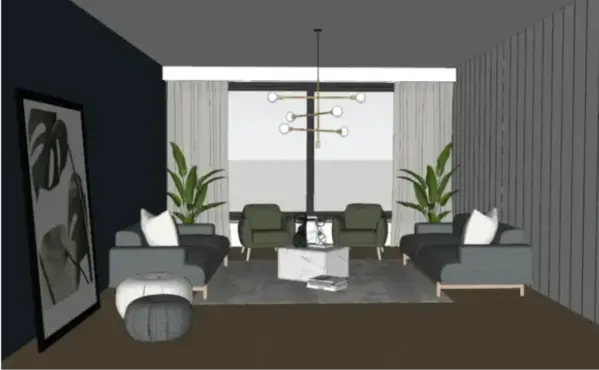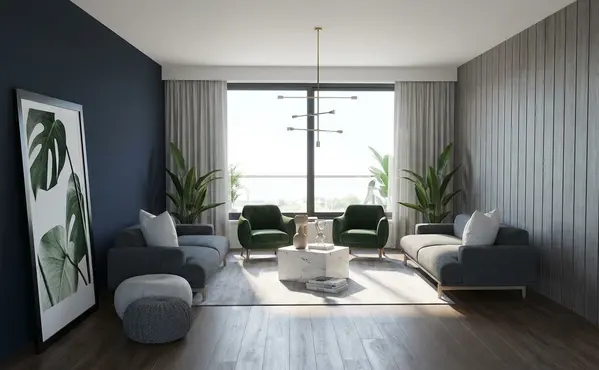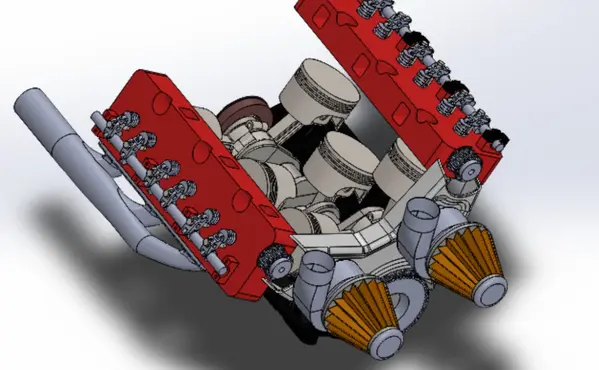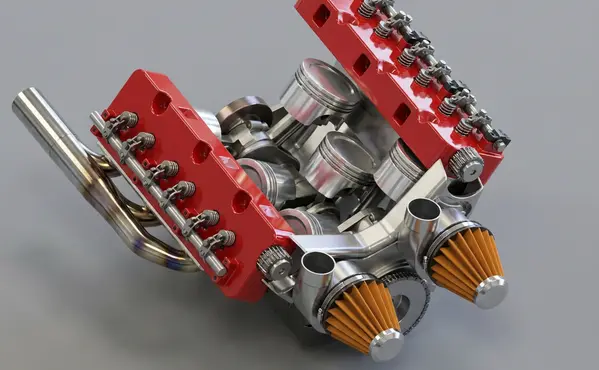
Create photorealistic product images and videos.
30 seconds. Zero configuration.
Podcast hosts typically receive a logo file and a product photo from sponsors, then struggle to create compelling visual integrations for video episodes, show notes, and social promotion clips. The visual dimension of podcast sponsorship is chronically underserved — most hosts default to awkward product placements or generic logo overlays that neither impress sponsors nor engage audiences. RenderCAD enables you to render sponsor products in contextual scenes that match your show's aesthetic, creating thumbnail imagery that drives episode clicks and video b-roll that elevates mid-roll sponsor segments. Generate unique episode artwork featuring discussed products, and produce show notes imagery that turns passive listeners into active shoppers. Give sponsors visual ROI they can measure, and justify premium ad rates with professional-grade creative integration.
Marketing teams live and die by content velocity. Every campaign needs fresh visuals—social posts, ad creatives, landing page heroes, email banners—and the demand never stops. Traditional asset creation means agency briefs, revision cycles, and timelines measured in weeks. RenderCAD gives marketing teams the ability to generate photorealistic product visuals in 30 seconds, directly from a screenshot, with no design software expertise required.
Capture any product from a 3D viewer, website, or CAD tool, and RenderCAD's AI engine produces studio-quality images ready for every channel. No file uploads, no render farms, no waiting. Your creative team spends time on strategy and storytelling instead of chasing assets through a production pipeline.
A product that looks one way on Instagram, another way in a Google Shopping ad, and completely different in an email campaign erodes brand trust. RenderCAD's reference image system lets you define a visual style—lighting mood, background tone, material finish—and apply it consistently across every render. The result is a unified product aesthetic whether the asset ends up on TikTok, a billboard, or a trade show banner.
The 300+ background scenes and 2,500+ material textures give you enough creative range to match any campaign concept while maintaining the visual thread that ties your brand together. Swap a product into a summer beach scene for a seasonal campaign, then drop it into a minimalist studio setup for a product launch—same product, same quality, completely different mood.
High-performing ad creative requires testing—different backgrounds, angles, contexts, and compositions. When each variation takes days to produce, you test fewer ideas and optimize slower. With RenderCAD, generating ten variations of an ad creative takes minutes. Test a product on a white background versus a lifestyle scene. Try warm lighting against cool. Run the data, pick the winner, and scale it—all within the same sprint.
Marketing moves fast. The teams that win are the ones that can produce high-quality creative at the speed of their ideas. RenderCAD removes the production bottleneck so your visual output matches your ambition—without expanding your creative headcount or agency budget.
Screenshot any product or design. Get campaign-ready hero images, social media assets, and ad creatives in 30 seconds. No photographer, no studio, no two-week creative cycle. Just instant visual content at scale.
Swap the hero background for a seasonal campaign. Change product color for an A/B test variant. Remove distracting elements for a cleaner ad creative. RenderCAD gives marketing teams the iteration speed to produce dozens of visual variants from a single product capture.
RenderCAD's AI engine produces campaign-quality visuals tuned for marketing impact — dramatic lighting, aspirational environments, and brand-aligned aesthetics. Generate hero images, social assets, and ad creatives with the visual consistency your brand guidelines demand, at the velocity your content calendar requires.
No art director. No studio booking. No two-week production cycle. RenderCAD gives your marketing team direct access to 2,500+ materials and 300+ environments — seasonal scenes, lifestyle contexts, studio setups — so you can produce campaign visuals the same day you brief them.
Every campaign has an atmosphere. Summer warmth for seasonal launches. Dramatic fog for premium positioning. Clean studio lighting for product pages. 40+ conditions let you set the visual mood of your marketing assets without scheduling a reshoot or briefing a retoucher.
Unreleased products. Embargoed designs. Pre-launch campaign imagery. RenderCAD works from screenshots only — no file uploads, no cloud storage of your source assets. Create marketing visuals for confidential products without the security risk of sharing 3D files with external vendors.
One product, twenty campaign variants. Five products, four channels each. RenderCAD's bulk processing lets marketing teams generate entire campaign asset libraries in a single batch — social formats, ad sizes, seasonal variations — all rendered in parallel while you finalize the media plan.
RenderCAD overlays on top of Figma, Photoshop, your 3D software, or any browser window. Capture product screenshots from wherever your team works with our desktop app or browser extension. No workflow disruption.
Try NowCommon solutions for Podcast & Video Hosts
RenderCAD is an AI-powered rendering service that transforms product photos, screenshots, and sketches into photorealistic marketing visuals in seconds. Upload an image, choose your settings, and receive a polished render — no design software, plugins, or 3D modeling required.
No. RenderCAD is built for anyone regardless of design or rendering expertise. The AI handles lighting, materials, and scene generation based on your uploaded image and optional text instructions, so Podcast & Video Hosts can produce professional visuals without specialized skills.
No. RenderCAD runs entirely in your web browser. There is also an optional desktop app and browser extension for added convenience, but the full Render Studio is accessible from any modern browser with no installation required.
RenderCAD accepts JPEG, JPG, PNG, WebP, BMP, and TIFF image files. You can upload product photos, screenshots from any application, design mockups, or even hand-drawn sketches.
Yes. New users receive 3 free render credits with no credit card required. This lets you test the full rendering quality and explore features before choosing a subscription plan.
Within seconds. Upload a product image, select your engine and style, and click render. The Fast engine delivers results in seconds, making it possible to produce your first marketing asset almost immediately after signing up.
Yes. RenderCAD's Render Studio is mobile-friendly with touch-optimized controls, including the mask tool with touch support. You can create and manage renders from a tablet or phone while on the go.
You can upload via the file browser, drag and drop, clipboard paste (Ctrl+V / Cmd+V), the RenderCAD desktop app, the browser extension, or the live viewport capture feature for screen sharing.
Yes. You can upload multiple images to the workspace at once. They appear in a grid layout and can all be configured and rendered in a single batch operation, which is ideal for high-volume marketing production.
All rendered images are output as PNG files, which preserve full quality without compression artifacts. This gives Podcast & Video Hosts clean, high-quality assets ready for use across any marketing channel.
RenderCAD uses AI to analyze your uploaded 2D image and generate photorealistic output directly. Upload any product photo, CAD screenshot, or sketch, choose from Exact, Creative, or Freeform styles, apply materials and backgrounds, and receive polished results in seconds.
No. RenderCAD works entirely from 2D images — product photos, screenshots, sketches, or exported views. You never need to create or upload 3D model files, making it accessible for marketers without technical 3D expertise.
Yes. You can upload scanned or photographed sketches, rough mockups, or concept drawings and the AI will interpret the design and generate a photorealistic visualization from it. This is valuable for visualizing campaigns before products are finalized.
The details field lets you provide text instructions to guide the AI. You can describe materials, lighting, environment, mood, or any specific requirements for your render, giving Podcast & Video Hosts precise control over the visual output.
Yes. Through the render style selection and text instructions, you can guide the AI to produce specific lighting scenarios — from bright studio lighting for catalog shots to dramatic shadows for hero images and moody atmospheres for lifestyle content.
Yes. Your uploaded images and renders are stored securely and are only accessible to your account. RenderCAD does not share your product images or marketing assets publicly.
The AI analyzes your image to identify objects, materials, and spatial context. You can guide it further with text instructions to specify the exact marketing context you need, such as lifestyle settings, studio environments, or dramatic presentations.
Yes. RenderCAD continuously updates its AI rendering capabilities. As a cloud-based service, improvements are available to all users automatically without any software updates or downloads.
Absolutely. Existing product photos, catalog images, manufacturer shots, or even smartphone photos work well as source material. RenderCAD can transform these into polished marketing visuals with new backgrounds, lighting, and styling.
You can upload via file browser, drag and drop, clipboard paste (Ctrl+V / Cmd+V), the RenderCAD desktop app, the browser extension, or the live viewport capture feature that lets you screen-share directly into the workspace.
Yes. You can upload multiple images simultaneously. They appear in a grid layout in the workspace and can all be configured with the same settings and rendered in a single batch, perfect for producing campaign assets at volume.
Live viewport lets you share your screen or a browser tab directly in RenderCAD. You can capture frames from the live feed, crop and adjust the capture region, and send those frames to the render workspace — useful for grabbing product visuals from any application.
Yes. Copy a screenshot to your clipboard using your system's screenshot tool or any application, then paste it directly into the RenderCAD workspace using Ctrl+V or Cmd+V. This is the fastest way to get a single image into the system.
Use the highest quality source images available. Clear, well-lit product photos produce the best renders. RenderCAD accepts JPEG, JPG, PNG, WebP, BMP, and TIFF formats, so you can use whichever format preserves the most detail.
Yes. Manufacturer product shots, catalog images, or press kit photos all work as source material. RenderCAD can transform these into unique marketing visuals with custom backgrounds, materials, and lighting to differentiate your content.
The desktop app integrates with your system to allow quick capture and upload from any application. It streamlines the workflow of grabbing product visuals and sending them to RenderCAD without switching between windows.
The RenderCAD browser extension lets you capture and send images to your Render Studio workspace directly from web-based tools, product pages, or any browser content — making it easy to grab source material while browsing.
Your original uploads are preserved in the workspace alongside the rendered outputs. You can toggle between viewing the original and rendered versions, and re-render with different settings at any time.
RenderCAD offers two engines: Fast (1 credit per render) for quick iterations and previews, and Realistic (2 credits per render) for higher quality output with support for reference images, masks, conditions, and 4K resolution.
Use the Fast engine for rapid content iterations, quick A/B test variations, early concept exploration, social media drafts, and any situation where speed and volume matter more than maximum visual fidelity. At 1 credit per render, it maximizes your output per budget.
Use the Realistic engine for final ad creatives, hero images, client-facing presentations, print materials, and any render where material accuracy, lighting quality, and advanced features like reference images and masks are needed.
Reference images, mask editing, custom materials via reference slots, custom backgrounds via reference slots, object removal, 4K resolution, and non-default conditions all require the Realistic engine.
Yes. A common marketing workflow is to use the Fast engine for rapid exploration of different concepts, then switch to the Realistic engine for the final polished version of your best-performing variations.
No. Reference images, masks, and conditions are exclusive to the Realistic engine. The Fast engine produces quick results at 1 credit but without these advanced controls.
A 4K render costs 4 credits total: 2 credits for the Realistic engine (required for 4K) plus 2 additional credits for the 4K resolution upgrade. Standard HD renders on the Realistic engine cost 2 credits.
The Fast engine at 1 credit per render is ideal for high-volume social media production. You can generate more variations per credit, which is valuable when producing daily content across multiple platforms.
The Realistic engine produces noticeably better material textures, more accurate lighting, and finer detail — making it the better choice for paid advertising where visual quality directly impacts click-through and conversion rates.
RenderCAD offers three render styles: Exact (preserves your original design precisely), Creative (the AI improves lighting, shadows, and visual quality), and Freeform (full prompt control with no system template applied).
Use Exact style when the render must closely match your source image — for catalog shots where color accuracy matters, product detail pages, and any content where the product must be represented precisely as-is.
Creative style gives the AI freedom to improve the image by enhancing lighting, adding realistic shadows, correcting minor imperfections, and improving overall visual quality. This produces more polished, attention-grabbing results ideal for ads and social content.
Freeform style gives you full prompt control with no system template. This is ideal for experimental campaigns, artistic brand content, highly stylized social media posts, or any creative where you want complete control over the AI's output direction.
Yes. Rendering the same image in all three styles is a great way to explore different creative directions. Each render consumes credits based on the engine selected, not the style.
No. The render style does not change the credit cost. Cost is determined only by the engine (Fast: 1 credit, Realistic: 2 credits) and resolution (4K adds 2 credits).
Creative style is typically best for ad creative A/B testing because it produces enhanced, polished visuals that perform well in advertising. Use Freeform for more dramatic variations when testing significantly different creative approaches.
Yes. Reference images, materials, backgrounds, and masks work with all three render styles when using the Realistic engine, giving you layered control over both creative direction and visual reference.
Creative style is ideal for hero images because the AI enhances lighting and shadows for maximum visual impact. For landing pages requiring exact product representation, use Exact style instead.
RenderCAD offers HD resolution (included with all renders) and 4K resolution (an additional 2 credits, available with the Realistic engine only) for high-resolution output.
Use 4K for large-format print ads, billboard designs, high-resolution banner ads, detailed product close-ups, and any output where fine detail and sharpness matter at large viewing sizes. For social media and web, HD is typically sufficient.
Yes. HD resolution is well-suited for social media platforms, web ads, email marketing, and digital display advertising. Most social platforms compress images anyway, so HD provides excellent quality for digital channels.
All rendered images are output as PNG files, which preserve full quality without compression artifacts. PNG is widely compatible with design tools, ad platforms, and social media schedulers.
Yes. For print advertising, use the 4K resolution option with the Realistic engine for maximum detail. The PNG output format preserves full quality for print production workflows.
4K resolution adds 2 credits to the base render cost and requires the Realistic engine. A single 4K render costs 4 credits total (2 for Realistic engine + 2 for 4K). Budget accordingly for campaigns requiring high-resolution output.
Yes. RenderCAD produces consistent quality output when using the same engine, style, and settings. This reliability is important for Podcast & Video Hosts producing branded content series that need visual coherence.
Yes. Rendered images can be downloaded as PNG files directly from the workspace. Your render history preserves all outputs for later access within your plan's retention period.
Reference images guide the AI's output by providing visual examples. You can attach up to 3 reference images per render, choosing from Custom (upload your own), Material (from the library), Background (from the library), or Remove (for object removal via mask).
Upload examples of your brand's established visual style as Custom reference images. The AI will match the look, feel, and aesthetic of your references, helping maintain brand consistency across all generated content.
You can use up to 3 reference images per render. Each reference slot supports an optional text prompt and mask editor, giving you precise control over how each reference influences the output.
Four types: Custom (upload any image as a visual guide), Material (select from 2,546 textures in the library), Background (choose from 300+ backgrounds), and Remove (object removal via mask painting).
Yes. The Custom reference type lets you upload any image as a visual guide. Upload existing brand photography, style guides, or mood board images to ensure the AI output matches your established brand aesthetic.
Yes. Reference images are exclusive to the Realistic engine (2 credits per render). The Fast engine does not support reference images, masks, or conditions.
Yes. Each of the 3 reference slots supports an optional text prompt, allowing you to specify exactly what aspect of each reference the AI should focus on — such as matching the lighting from one reference and the color palette from another.
Yes. Each reference slot includes an optional mask editor. You can paint a mask to specify exactly which area of your source image should be influenced by that particular reference, giving you granular control over the output.
References let you maintain a consistent visual language across all ad variations. Upload a hero shot as a reference and generate dozens of product renders that share the same aesthetic, lighting, and brand feel for cohesive campaign creative.
The Material Library contains 2,546 textures that you can apply to your renders via the reference image system. Materials let you show products in different finishes, surfaces, and textures without re-photographing them.
Use materials to showcase product variants (matte vs glossy, leather vs fabric, wood vs metal), create seasonal looks, or test different material treatments for A/B testing which finish resonates best with your audience.
Filter materials by category, by color (11 options: black, white, gray, brown, red, orange, yellow, green, blue, purple, pink), or search by name. This makes it fast to find the exact texture you need for your marketing concept.
Yes. All 2,546 textures in the Material Library are licensed, meaning they are free for commercial use with no attribution required. Your marketing outputs are fully cleared for any commercial purpose.
Yes. When using a material reference, you can paint a mask to specify exactly which region of your image the material should affect. This lets you change the finish on specific product components while leaving others untouched.
Materials occupy one of your 3 reference slots per render. Select a material from the library, optionally add a text prompt and mask to refine placement, and the AI applies that texture to your render. This requires the Realistic engine.
Yes. Render the same product image multiple times with different materials selected. This is an efficient way to create product variant galleries for e-commerce, catalogs, or social media showcasing color and finish options.
The library includes a wide range of textures spanning metals, woods, fabrics, leathers, stones, plastics, and more. With 2,546 options across 11 color categories, you can find materials for virtually any product marketing context.
Yes. In addition to the 2,546 library textures, you can upload your own material images using the Custom reference type. This is useful when you have proprietary material samples or brand-specific texture references.
The Background Library offers 300+ curated backgrounds across categories including nature, studio, roads, interior, and exterior. You can filter by category, color, or search by name to find the perfect scene for your marketing content.
Beyond the library, you can choose Auto (AI selects), Upload (your own image), Custom Color (HSV picker), Solid options (White, Grey, Gradient), or a custom hex color code. This covers every marketing use case from clean product shots to lifestyle scenes.
Use different backgrounds to place your product in various marketing contexts — studio backgrounds for catalog shots, nature scenes for lifestyle content, interior settings for in-use scenarios, and solid colors for clean ad creatives.
Yes. Select the White option under Solid backgrounds for a clean white background, which is standard for e-commerce platforms, product catalogs, and marketplaces that require uniform product presentation.
The Background Library supports filtering by category (nature, studio, roads, interior, exterior), by color (11 color options), and by search keyword. This makes it fast to find backgrounds matching your campaign's visual direction.
Yes. Use the Upload option to provide your own background image, or use the Custom reference type in the reference image system. This is essential for branded content that requires specific location or environment imagery.
Custom Color gives you an HSV color picker to select any exact background color you need. You can also enter a custom hex code. This is useful for matching brand colors or creating on-brand colored backdrops for marketing assets.
Select backgrounds from the nature, interior, or exterior categories to place your product in lifestyle contexts. Combine with Creative render style for enhanced lighting that integrates the product naturally into the scene.
Yes. Render the same product with different backgrounds to test which setting performs best in ads or social media. Compare studio vs lifestyle, different color backgrounds, or various environmental contexts to optimize creative performance.
Master Background applies the same background to all images in a batch render. Instead of setting backgrounds individually for each product image, you configure it once and it applies uniformly across your entire batch.
Master Background ensures every product in a campaign, catalog, or social series shares the same environment. This creates visual coherence across content — essential for branded campaigns, product launches, and consistent social media feeds.
Yes. Master Background uses 1 reference slot per image in the batch. Since you have 3 reference slots per render, you still have 2 remaining slots for materials, custom references, or other adjustments on each image.
Yes. Select any background from the 300+ options in the Background Library as your Master Background, and it will be applied consistently to every image in your batch.
Yes. You can upload your own background image as the Master Background. This is ideal for branded environments, custom-designed backdrops, or specific location imagery that needs to appear across all campaign assets.
When creating product catalogs, Master Background ensures every product is shown against the same backdrop. Whether it is a white studio, a branded gradient, or a lifestyle scene, the entire catalog maintains visual consistency.
Yes. Since Master Background uses only 1 of your 3 available reference slots per image, you can still use the remaining 2 slots for materials, custom references, or other modifications on individual images in the batch.
No. Master Background uses the reference image system, which requires the Realistic engine (2 credits per render). The Fast engine does not support reference images or Master Background.
Master Material applies the same material texture to all images in a batch render. This ensures consistent surface treatment across an entire product line or campaign series without configuring each image individually.
Master Material lets you visualize an entire product line in a new finish (e.g., all products in brushed gold or matte black) in a single batch. This is valuable for seasonal collections, product launches, and brand refresh campaigns.
Yes. Master Material uses 1 reference slot per image in the batch. With 3 reference slots available per render, you still have 2 remaining for backgrounds, custom references, or other adjustments.
Yes. Master Material supports masking, so you can apply the material to only specific regions of each product image. For example, change the body finish while keeping hardware and accessories in their original materials.
Yes, but each uses 1 reference slot per image. Using both together consumes 2 of your 3 reference slots, leaving 1 remaining slot for additional custom references or adjustments on each image.
Apply different Master Materials across separate batch renders to quickly generate a complete variant gallery — the same products shown in wood, metal, leather, or any material from the 2,546-texture library.
Yes. You can upload your own material texture as the Master Material instead of selecting from the library. This is useful for proprietary finishes or branded material samples unique to your product line.
Yes. Master Material uses the reference image system, which is exclusive to the Realistic engine (2 credits per render). The Fast engine does not support reference images or Master Material.
Conditions are 40+ surface state presets that modify how your product appears in the render. They range from pristine (Factory New, Polished, Gleaming) to weathered (Rusted, Patina, Weathered) to extreme (On Fire, Electrified, Melting).
Conditions let you create compelling visual narratives for campaigns. Show products as pristine and new for launch content, add light wear for authentic lifestyle styling, or use dramatic conditions like Frosted or Wet for seasonal campaigns.
Clean conditions include Pristine, Factory New, Polished, Gleaming, and Glazed. These are ideal for product launch content, catalog shots, and any marketing where you want the product to look brand-new and perfect.
Yes. Conditions like Weathered, Oxidized, Rusted, Patina, Sun-bleached, and various wear levels (Light, Medium, Heavy Wear) create authentic aged appearances useful for vintage aesthetics, heritage brand content, or showing product durability.
Moisture and temperature conditions include Frosted, Wet, and Steaming. These are perfect for seasonal marketing campaigns, beverage advertising, outdoor product content, or any creative that benefits from environmental atmosphere.
No. The Fast engine defaults all conditions to Pristine. To use any of the 40+ condition presets, you must use the Realistic engine (2 credits per render).
Yes. Render the same product with Pristine condition and then with a wear condition like Distressed or Weathered to create compelling before-and-after comparison content for social media or product care marketing.
Accumulation effects include Grimy, Weathered, Oxidized, Rusted, Patina, Scorched, Light/Medium/Heavy Wear, Sun-bleached, Moldy, and Mossy. These create realistic aging effects useful for storytelling, heritage branding, or demonstrating product durability.
Yes. Environmental conditions include Mud-covered, Dirt-covered, Sand-covered, and Snow-covered. These are excellent for outdoor product marketing, adventure brand content, seasonal campaigns, and lifestyle imagery that places products in rugged contexts.
RenderCAD offers extreme conditions including Red-hot, Smoking, On Fire, Melting, Electrified, and Shattered. These create visually striking, attention-grabbing content perfect for social media and advertising that needs to stand out.
Use dramatic effects like On Fire, Electrified, or Melting to create scroll-stopping social media posts, eye-catching ad creatives, and viral-worthy content that disrupts the feed. These effects generate immediate visual interest.
Structural damage conditions include Cracked, Warped, Shattered, Torn, and Broken. These can be used for dramatic product reveals, durability testing content, or creative destruction themes in advertising campaigns.
Yes. Use effects like Smoking, Electrified, or Red-hot to create anticipation and excitement for product launches. These dramatic conditions generate intrigue and shareability, ideal for teaser campaigns across social channels.
Surface imperfections include Smudged, Dusty, Scuffed, and Micro-scratched. These create subtle, realistic details useful for authentic lifestyle content, UGC-style advertising, or showing products in realistic everyday contexts.
Yes. When using the Realistic engine, you can pair any condition with backgrounds from the library, custom uploads, or solid colors. For example, show a product On Fire against a dark studio backdrop for maximum visual drama.
Heavy wear conditions include Distressed, Chipped, Battered, and Abraded. These are perfect for brands with rugged, tough, or outdoor positioning — showing products that endure hard use while maintaining their integrity.
Absolutely. Frosted and Snow-covered for winter campaigns, Wet for rain or water-related products, Sun-bleached for summer content — conditions let you create seasonally relevant visuals without location photography.
Yes. Attention-grabbing effects like Electrified, On Fire, and Shattered are designed to stop the scroll. When used thoughtfully, these create high-engagement ad creatives that drive clicks and shares in paid social campaigns.
The Mask Tool lets you paint over specific areas of your image to control where AI effects, materials, backgrounds, or object removal are applied. It includes Brush (5-150px), Eraser, Lasso, Inversion, and Clear tools.
Use masks to change materials on specific product components, remove unwanted elements from only certain areas, or apply effects selectively. For example, change the color of a product's body while keeping its hardware unchanged.
The mask editor includes a Brush (adjustable from 5 to 150 pixels), Eraser, Lasso (for outlining regions), Inversion (to swap masked and unmasked areas), and Clear (to reset the mask entirely). All tools support touch input.
Yes. The mask tool has full touch support, so you can paint masks directly on a tablet or touchscreen device. This is useful for quick edits on the go or when working from a mobile device.
The Lasso tool lets you draw a freeform outline around the area you want to mask, creating a precise selection boundary. This is faster than painting with the brush when you need to mask a well-defined region.
Mask inversion swaps the masked and unmasked areas with one click. This is useful when it is easier to mask what you want to keep rather than what you want to change — paint over the simple area, then invert.
Each of the 3 reference image slots has its own optional mask editor. You can paint a different mask for each reference, controlling exactly where each material, background, or custom reference influences the render output.
Yes. Masks are part of the reference image system, which is exclusive to the Realistic engine (2 credits per render). The Fast engine does not support masks.
Yes. The brush size is adjustable from 5 pixels (for fine detail work around edges) to 150 pixels (for quickly covering large areas). This range gives you precision for both delicate and broad masking tasks.
Object removal uses the Remove reference type combined with the mask tool. Paint a mask over the unwanted object, and the AI removes it from the render, filling in the area naturally. This requires the Realistic engine.
You can remove distracting background elements, competing products, unwanted props, watermarks from source images, blemishes, or any visual element that detracts from your marketing message. Paint a mask over it and the AI handles the removal.
Yes. Take existing product photos and remove unwanted elements — background clutter, competing brand logos in the scene, or distracting props — to create clean, focused marketing assets from content you already have.
Yes. Paint your mask over all the objects you want removed in the same render. The mask can cover multiple separate areas, and the AI will remove everything under the mask in a single pass.
Object removal precision depends on the mask accuracy. Use a small brush (down to 5 pixels) for detailed work around edges, or the Lasso tool for precise outlines. The AI fills the removed area naturally based on surrounding context.
Yes. The Remove type occupies 1 of your 3 reference slots. You can combine object removal with a material reference and/or background reference in the same render, using your remaining reference slots.
Yes. The AI analyzes the surrounding context and fills the removed area accordingly. Results are best when the surrounding area provides clear context for the AI to generate a natural replacement.
Yes. Object removal combined with background replacement is an effective way to rescue product photos taken in non-ideal environments. Remove clutter, then apply a professional background for polished marketing assets.
RenderCAD includes a full image editor with Brush, Eraser, Fill, Lasso, Crop, Text, Shapes, and Layers tools. It supports 50-state undo/redo, zoom from 5% to 500%, and pan navigation — all within the browser.
Use the editor to crop product images to specific aspect ratios, add text overlays for quick social content, combine multiple product images using layers, or clean up source images before rendering.
The editor supports Free crop, 1:1 (square for Instagram), 4:3, 3:2, 16:9 (widescreen for YouTube thumbnails and ads), 21:9 (ultrawide for banners), and 9:16 (vertical for Stories and Reels).
Yes. The Layers system lets you compose multiple images, text, and shapes on separate layers. This is useful for creating composite marketing visuals, adding branding elements, or building template layouts.
The editor supports 50-state undo and redo, so you can freely experiment with edits knowing you can step back through your entire editing history.
Yes. The Text tool lets you add text overlays directly to your images. This is useful for creating quick social media graphics, adding captions, or annotating product images before sharing.
Yes. The Import feature lets you bring additional images into the editor, which can be placed on separate layers. This is useful for compositing product images with brand elements or creating collage-style marketing assets.
The editor zooms from 5% (for an overview of large compositions) to 500% (for pixel-level precision work). Combined with pan navigation, you can work comfortably at any level of detail.
Yes. Use the editor to crop, clean up, annotate, or composite source images before sending them to the render engine. Preparing your inputs well leads to better render outputs.
Render iterations let you re-render an existing output with additional masks and modifications. You can refine specific areas, fix artifacts, or add new materials to parts of a completed render without starting over.
After an initial render, use iterations to fine-tune specific areas — adjust a material on one component, fix a small artifact, or modify the background in a targeted area. Each iteration builds on the previous result for progressive refinement.
No. Render iterations are unlimited. You can re-render and refine as many times as needed until the output perfectly matches your marketing vision. Each iteration consumes credits based on the engine used.
Each iteration takes the previous render output as the new source image. You apply new masks to target specific areas and add reference images or conditions to modify just those regions, leaving the rest of the render unchanged.
Yes. If a render has a minor artifact or an area that does not look right, mask just that area and re-render. The iteration will regenerate only the masked region while preserving everything else.
Yes. Start with a base render, then create iterations that change just the background, or just the product material, or just one component. This isolates individual variables for precise A/B testing of which element drives performance.
Yes. In an iteration, apply a material reference with a mask targeting a specific area of the rendered image. The new material will be applied to that region while preserving the rest of the original render.
Instead of re-rendering from scratch, use iterations to address specific client feedback — change the background, adjust a material, or fix a specific area. This saves credits and delivers revisions faster.
Yes. RenderCAD's Image-to-Video feature transforms rendered images or uploaded photos into professional product videos. Choose from 4-second (4 credits), 6-second (6 credits), or 8-second (8 credits) durations.
Three duration options: 4 seconds (4 credits), 6 seconds (6 credits), and 8 seconds (8 credits). These lengths are optimized for social media ads, product showcases, and short-form video platforms.
Videos are available in 720p (included) and 1080p (adds 1 credit to the base cost). For social media advertising and content, 720p is sufficient for most platforms, while 1080p provides extra clarity for larger displays.
Two video styles: Exact (preserves the original image precisely in motion) and Creative (the AI enhances lighting and visual quality during the video generation). Choose based on whether you need faithful or enhanced representation.
RenderCAD outputs video in MP4, WebM, and GIF formats. MP4 is universally compatible with ad platforms, WebM is optimized for web, and GIF works for email marketing and social posts where autoplay is important.
Create 4-6 second product videos with engaging camera movements and product motion for Facebook, Instagram, TikTok, and YouTube ads. Video ads consistently outperform static images in engagement and conversion rates.
Four end frame options: None (video ends at final frame), Seamless Loop (crossfade with 0-2 second adjustment), From History (use a previous render as the end frame), and Upload (provide your own end frame image).
Yes. Generate multiple videos from the same source image using different camera movements, product motions, and durations. Test which combination drives the best performance in your ad campaigns.
A 1080p video adds 1 credit to the base duration cost. For example, a 6-second 1080p video costs 7 credits (6 for duration + 1 for 1080p upgrade). A 4-second 720p video costs just 4 credits.
Yes. The ideal workflow is to render a still image first, refine it to perfection, and then generate a video from that polished render. This gives you maximum control over the visual quality of your video content.
RenderCAD offers 20+ camera movements including Auto, Fixed, Slow Push-In, Pull-Back, Rack Focus, Dolly Zoom, Truck Left/Right, Pedestal Up/Down, Flyover, Cinematic Orbit, Spiral, Pan Swivel, Handheld, Crash Zoom, and more.
Slow Push-In builds anticipation as the camera approaches the product. Crash Zoom creates a dramatic snap to the product. Low Angle Rise adds grandeur by revealing the product from below. All create compelling reveal moments for ad creatives.
Cinematic Orbit rotates the camera around the product in a smooth circular motion, showcasing the product from multiple angles. This is a staple movement for premium product videos and 360-degree product showcases.
Dolly Zoom (also known as the Vertigo effect) creates a dramatic perspective shift where the background appears to compress or expand while the product stays the same size. It is an eye-catching effect that adds cinematic drama to ad content.
Slow Push-In, Cinematic Orbit, and Rack Focus create the polished, controlled look associated with premium advertising. These smooth, deliberate movements convey quality and sophistication for high-end brand content.
Handheld simulates natural, slightly shaky camera movement. This creates an authentic, organic feel ideal for UGC-style ads, behind-the-scenes content, and social media videos that prioritize relatability over polish.
Quick, dynamic movements like Crash Zoom, Pan Swivel, and Low Angle Rise grab attention in the first second — critical for vertical video formats on Instagram Stories, Reels, and TikTok.
The 180° Arc swings the camera in a semicircle around the product, creating a dramatic reveal that shows the product from multiple perspectives in a single continuous shot. It adds visual interest and dynamism to product videos.
Yes. The Auto option lets the AI choose the most appropriate camera movement based on your image content. This is useful when you want a quick, well-chosen result without manually selecting from the 20+ movement options.
RenderCAD offers 30+ product motions including Static, Idle, Levitating, Vibrating, Pulsing, Turntable, Hero Spin, Drop, Slide In, Pop Up, Explode, Assemble, Mechanical, Liquid Splash, Condensation, Cloth Wave, Inflate, and more.
Hero Spin, Turntable, and Pop Up create dynamic, eye-catching presentations perfect for social ads. Explode is dramatic and shareable. Liquid Splash and Condensation add sensory appeal for food and beverage products.
Explode animates the product's components separating outward, revealing the internal structure or parts. This is visually striking for tech products, engineered goods, or any product where showing the build quality is a selling point.
Turntable rotates the product smoothly on its axis, creating a classic 360-degree showcase. This is ideal for product detail videos, e-commerce showcases, and any content where showing the product from all angles adds value.
Idle, Levitating, and Pulsing create subtle, refined movement that adds life without distraction. These are perfect for luxury brand content, premium product showcases, and elegant advertising where restraint conveys sophistication.
Liquid Splash animates a splash of liquid around or on the product. This is ideal for beverage products, waterproof goods, skincare, or any product where a water or liquid splash adds sensory appeal and visual excitement.
Condensation adds animated water droplets forming on the product surface. This is perfect for cold beverages, refrigerated products, or any marketing that wants to convey freshness and temperature appeal.
Mechanical, Open & Close, Fold/Unfold, Dispense Action, and Assemble all demonstrate how a product works in motion. These are valuable for product demonstrations, feature highlights, and instructional marketing content.
Yes. Camera movements and product motions work together in the same video. For example, combine a Cinematic Orbit camera with a Hero Spin product motion for a dynamic, multi-layered product showcase video.
Slide In animates the product sliding into frame from the side. This creates a clean entrance effect useful for product introduction videos, ad creatives with sequential reveals, and content that presents products in a curated sequence.
Seamless Loop applies a crossfade between the end and beginning of the video, creating a smooth infinite loop. You can adjust the crossfade duration from 0 to 2 seconds for a natural-looking transition.
Looping videos play continuously on social media platforms, increasing view time and engagement. A product that spins or moves endlessly catches and holds attention in feeds, stories, and display ads.
When selecting the Seamless Loop end frame option, you can set the crossfade between 0 and 2 seconds. A shorter crossfade creates a snappier loop, while a longer crossfade makes the transition smoother and more seamless.
Turntable, Hero Spin, Top-Down Spin, Levitating, Pulsing, and Vibrating all create naturally looping motions. These are ideal for the Seamless Loop end frame because the motion pattern repeats organically.
Yes. Seamless loops play continuously on both platforms, creating mesmerizing product showcases that viewers watch multiple times. This increases total view time and engagement metrics for your content.
GIF format creates true infinite loops in most contexts including email and web. MP4 loops natively on social platforms like Instagram and TikTok. Choose based on your distribution channel requirements.
Yes. Seamless loops are perfect for digital display advertising where the ad plays repeatedly. Combine with eye-catching product motions to create display ads that continuously draw attention.
4-second videos create tight, punchy loops ideal for ads and Stories. 6-second loops give slightly more room for motion. Choose the shortest duration that showcases your product effectively, as tighter loops feel more natural.
Four tiers: Trial (3 free credits, no card required), Starter ($20/month, 150 credits), Professional ($60/month, 500 credits), and Enterprise ($175/month, 2,000 credits). All paid plans include commercial use rights and unlimited exports.
Start with the free Trial (3 credits) to test quality, then move to Starter ($20/month, 150 credits) for regular content production. This provides enough credits for consistent marketing output at a low monthly cost.
Professional ($60/month, 500 credits) is ideal for active marketing teams, and Enterprise ($175/month, 2,000 credits) serves agencies and teams with heavy content production needs including 24/7 support and a dedicated account manager.
No. Credits refresh each billing cycle and do not roll over. Plan your content production to use your credits within each monthly period for maximum value.
Yes. All plans can be cancelled anytime with no long-term commitment. This makes RenderCAD low-risk for Podcast & Video Hosts to try and scale based on actual content needs.
Starter includes email support. Professional includes priority support. Enterprise includes 24/7 support, a dedicated account manager, and custom integrations. Higher tiers get faster response times.
Starter retains files for 30 days, Professional for 90 days, and Enterprise for 365 days. Choose a plan with sufficient retention for your content review and approval workflows.
Yes. All paid plans include full commercial use rights and unlimited exports. Every render you create can be used for advertising, social media, print, and any other commercial marketing purpose.
Yes. Both Professional and Enterprise plans include API access for programmatic rendering. Enterprise also adds custom integrations and a dedicated account manager for tailored workflow support.
Each action costs a specific number of credits: Fast renders cost 1 credit, Realistic renders cost 2 credits, 4K adds 2 credits, and videos cost 4-8 credits based on duration. Credits are included in your monthly plan and refresh each billing cycle.
Use the Fast engine (1 credit) for exploration, social media drafts, and quick variations. Reserve the Realistic engine (2 credits) for final hero shots and client-facing content. This approach doubles your output volume for the same credit budget.
Fast engine: 1 credit. Realistic engine: 2 credits. 4K upgrade: +2 credits (Realistic only). Videos: 4 credits (4s), 6 credits (6s), or 8 credits (8s). 1080p video upgrade: +1 credit. Render style does not affect cost.
With 150 credits per month on Starter ($20/month), you can create up to 150 Fast renders, or 75 Realistic renders, or a mix. For example: 50 Realistic hero shots + 50 Fast variations = 150 credits used across 100 total renders.
With 500 credits per month on Professional ($60/month), you can create up to 500 Fast renders, or 250 Realistic renders, or a mix including videos. This supports active daily content production across multiple campaigns and platforms.
Videos range from 4-9 credits each (4s at 720p = 4 credits, 8s at 1080p = 9 credits). Budget 20-30% of monthly credits for video if it is a core part of your content strategy. Use the remaining credits for still image renders.
For many social media use cases, the Fast engine produces results that look great on mobile screens where social content is primarily consumed. At 1 credit per render, it is the most budget-efficient option for high-volume social content.
With Enterprise (2,000 credits per month), allocate credit budgets per client. Use Fast renders for internal reviews and concept exploration, then produce final deliverables on Realistic. Track usage to maintain predictable per-client costs.
Use the Fast engine (1 credit each) to generate many variations quickly, then test performance. Only invest Realistic engine credits (2 each) or video credits on the winning concepts. This minimizes wasted credits on underperforming creatives.
Batch processing lets you configure settings and render multiple images in a single operation. Upload a set of product images, apply consistent settings, and generate all renders at once — ideal for producing marketing content at volume.
Upload all campaign product images, set a Master Background for consistent branding, choose your engine and style, and render the entire batch. This produces a cohesive set of campaign assets in minutes instead of hours.
Yes. The Master Background feature applies the same background to every image in the batch, ensuring visual consistency across your entire product line or campaign. It uses 1 reference slot per image.
Yes. The Master Material feature applies the same material texture to every image in the batch. You can also mask it to affect only specific regions of each product. It uses 1 reference slot per image.
Batch processing is available on Professional ($60/month, 500 credits) and Enterprise ($175/month, 2,000 credits) plans. These plans are designed for the volume production needs of marketing teams and agencies.
Produce a full week or month of content in a single batch session. Upload all source images, configure consistent settings, and generate everything at once. This lets Podcast & Video Hosts work ahead on content calendars efficiently.
Yes. While Master Background and Master Material apply uniformly, you can still configure individual reference images, masks, and conditions for specific images within the batch for targeted customization.
Agencies managing multiple product lines can upload all products, apply consistent brand backgrounds and materials via Master settings, and render everything in one operation. This dramatically reduces per-asset production time.
The RenderCAD desktop app integrates with your system for quick capture and upload from any application. It streamlines the workflow of grabbing product visuals and sending them to RenderCAD without switching between windows.
The browser extension lets you capture and send images to your Render Studio workspace directly from any browser content — product pages, design tools, reference imagery, or inspiration you encounter while browsing.
Live viewport lets you share your screen or a browser tab directly in RenderCAD. You can capture frames from the live feed, crop and adjust the capture region, and send those frames to the render workspace for immediate processing.
The desktop app lets you capture product images from any application — design tools, e-commerce platforms, presentation software — and send them directly to RenderCAD without manually saving and uploading files.
No. The desktop app and browser extension are entirely optional. The full Render Studio runs in any modern web browser. These tools are conveniences that speed up the capture-to-render workflow.
While gathering visual references and inspiration, the extension lets you capture and send images directly to your RenderCAD workspace. This speeds up the process of collecting reference material for your next render.
Yes. The live viewport feature can capture from any screen share or browser tab, including video call interfaces and live presentations. Capture key frames and render them into polished marketing assets.
Yes. Both the desktop app and browser extension connect to your RenderCAD account and send images directly to your Render Studio workspace. Everything syncs through your account credentials.
Yes. API access is available on Professional ($60/month) and Enterprise ($175/month) plans. The API enables programmatic rendering, allowing you to integrate RenderCAD into automated marketing workflows and content pipelines.
The API lets you automate render jobs from your existing marketing tools, content management systems, or custom scripts. Upload images, configure settings, and retrieve results programmatically without manual interaction.
Yes. With the API, you can build automated pipelines that take new product images, render them with preset configurations, and deliver finished marketing assets to your content management system or ad platform.
Yes. The Enterprise plan ($175/month, 2,000 credits) includes custom integrations in addition to API access. A dedicated account manager helps you design and implement workflows tailored to your team's specific needs.
Yes. Use the API to programmatically generate multiple render variations from a single source image — different backgrounds, materials, and conditions — then feed the results directly to your ad testing platform.
Agencies can build automated pipelines that process new client product images, apply client-specific brand settings, and deliver finished assets without manual intervention. This scales content production without proportionally scaling headcount.
Yes. Automate product image rendering for entire catalogs — consistent backgrounds, materials, and styling applied programmatically to every SKU. This is valuable for large catalogs that need regular visual updates.
Professional ($60/month, 500 credits) includes API access for standard automation needs. Enterprise ($175/month, 2,000 credits) adds custom integrations, 24/7 support, and a dedicated account manager for complex workflow requirements.
All rendered images are exported as PNG files, which preserve full quality without compression artifacts. PNG is widely compatible with design software, ad platforms, social media tools, and print production workflows.
Videos can be exported in MP4, WebM, and GIF formats. MP4 is universally compatible with ad platforms and social media. WebM is optimized for web. GIF works for email marketing and contexts where autoplay is essential.
Retention depends on your plan: Starter stores renders for 30 days, Professional for 90 days, and Enterprise for 365 days. Download and archive final assets within your retention window.
Yes. Your render history preserves all completed outputs within your plan's retention period. You can revisit, download, and re-render from history at any time during the retention window.
No. All paid plans include unlimited exports. You can download your rendered images and videos as many times as needed without any additional cost or per-export charges.
Yes. Export the same video in MP4 for social media ads, WebM for web display, and GIF for email campaigns. This lets you optimize format for each distribution channel from a single render.
Download finals promptly and organize by campaign, platform, or date in your team's asset management system. Use the render history as a working library and your external storage as the permanent archive.
Yes. Within your retention period, you can access previous renders in your history, view the settings used, and re-render with modified configurations. This is useful for revisions and creating new variations of past work.
Batch process an entire week or month of product images in one session. Use Master Background for consistent branding, generate variations for different platforms, and produce video content from your best stills — all from a single source image set.
Use the Image Editor's crop tool: 1:1 for Instagram feed, 9:16 for Stories and Reels, 16:9 for YouTube thumbnails and Twitter, 4:3 for Facebook feed. Prepare your source images in the right dimensions before rendering.
Crop to 1:1 for feed posts or 9:16 for Stories/Reels. Use the Creative render style for enhanced lighting and polished aesthetics. Apply lifestyle backgrounds from the library for aspirational content that performs well on Instagram.
Yes. Render your product image, then generate a 4-6 second video with dynamic motions like Hero Spin or Pop Up and camera movements like Crash Zoom or Pan Swivel. Export as MP4 for direct upload to TikTok.
Crop to 16:9, use the Realistic engine with Creative style for maximum visual impact, and apply dramatic lighting or bold backgrounds. The Image Editor's Text and Shapes tools can add overlay elements directly.
4-second videos are ideal for snappy Instagram Reels, TikTok ads, and Stories placements. 6-second videos work well for bumper-style YouTube ads and Facebook in-feed video. 8-second videos suit longer-form showcase content.
Start with one high-quality render, then use the Image Editor to crop it to different aspect ratios for each platform. For video, generate separate versions with different durations optimized for each platform's ideal length.
Yes. Use Conditions like Frosted or Snow-covered for winter, Wet for summer, and environmental backgrounds from the library for seasonal themes. Generate an entire season's content in a single batch session.
Master Background ensures every post shares the same environment. Consistent render style and engine settings maintain a uniform visual quality. Reference images can match your established brand photography style across all content.
Upload product images, apply different backgrounds and conditions, and generate dozens of ad variations in minutes. Fast engine renders at 1 credit each let you produce high volumes of test creatives quickly and affordably.
Render the same product with different backgrounds, materials, conditions, and styles. Each variation becomes a test creative. Use Fast engine for exploration and Realistic engine for final winners to optimize your credit budget.
Yes. Generate a sequence of related product visuals — different angles, contexts, and highlighting different features. Use these as a retargeting ad funnel that progressively showcases more aspects of the product.
Use the Realistic engine with Creative style for enhanced lighting and dramatic presentation. Apply premium backgrounds and consider 4K resolution for crisp, high-impact hero images that anchor your landing page.
Yes. Use the Handheld camera movement for video and natural-looking backgrounds from the library. Apply subtle conditions like Smudged or Dusty for authentic everyday product appearance in UGC-style advertising.
Solid white or gradient for clean product-focused ads. Studio backgrounds for premium presentation. Lifestyle backgrounds from the library for contextual ads. Custom brand colors via hex input for on-brand creatives.
Use environmental Conditions (Snow-covered for winter, Wet for monsoon) and seasonal backgrounds from the library. Batch process your entire product line with seasonal settings to produce a complete campaign in one session.
Yes. Generate 4-8 second product videos with professional camera movements and product motions. Export as MP4 for universal ad platform compatibility. Video ads consistently outperform static images in engagement and conversions.
Using the Fast engine at seconds per render, you can produce 100+ still image variations in an hour. With the Realistic engine, expect 50+ polished variations. Video generation adds 1-2 minutes per clip.
Master Background applies the same scene to all products. Reference images match your established visual style. Consistent engine, style, and settings across renders create a cohesive brand library. All of these features combine to keep your content on-brand.
Yes. Upload your branded backdrop or select a consistent library background and apply it via Master Background. This ensures every product render shares the same visual environment across your entire content library.
Upload examples of your approved brand photography as Custom references. The AI matches the style, lighting, and mood of your references, producing new content that aligns with your existing brand visual guidelines.
Yes. Use batch processing with Master Background and Master Material to render your entire product catalog with identical visual treatment. Every product shares the same background, lighting, and material aesthetic.
Use the Exact render style when color accuracy is critical — it preserves your original product colors precisely. For backgrounds, use custom hex codes or the HSV picker to match exact brand colors.
Yes. Save your preferred combination of engine, style, background, material, and reference images as a standard workflow. Replicate these settings for each new batch to produce consistently branded content every time.
The Custom Color option includes an HSV picker and custom hex code input, letting you set backgrounds to your exact brand colors. This ensures perfect brand color matching for product-on-color marketing assets.
Yes. Use the Material Library to select approved textures, or upload your own proprietary material samples as Custom references. Masks let you control exactly which areas receive which materials for precise brand-compliant rendering.
Iterations let you refine specific areas of a render without starting over. If any element does not meet brand standards, mask that area and re-render to fix it while preserving the approved portions of the image.
Batch processing renders multiple images at once. Fast engine delivers results in seconds per image. Master Background and Master Material apply consistent settings across batches. API access automates the entire pipeline for maximum throughput.
Starter: up to 150 Fast renders or 75 Realistic renders per month. Professional: up to 500 Fast or 250 Realistic. Enterprise: up to 2,000 Fast or 1,000 Realistic. Mix and match based on your content needs.
Yes. Switch between different Master Backgrounds, reference images, and settings for each brand or client. Batch process each client's product line with their specific brand settings for efficient multi-client production.
The API (Professional and Enterprise plans) enables automated rendering pipelines that process product images programmatically. Integrate with your CMS, DAM, or e-commerce platform to render new products automatically as they are added.
Upload all source images, apply Master Background for consistency, use the Fast engine for maximum speed, and batch render everything. For product lines, repeat with different backgrounds or materials to multiply your content volume.
The Enterprise plan (2,000 credits, dedicated account manager) supports agency-scale production. Batch process each client's products with client-specific settings, allocate credit budgets per client, and use the API for automation.
Yes. Upload all product images, apply consistent Master Background and Master Material settings, and batch render the complete catalog. Use the Realistic engine for final catalog quality and the Image Editor for any needed cropping.
A single marketer can produce 100+ renders per hour with RenderCAD. No setup, lighting, or prop changes are needed — just upload and render. Batch rendering and the Master Background feature make high-volume production even faster.
Yes. All paid plans (Starter, Professional, Enterprise) include full commercial use rights. Every render and video you create can be used for advertising, social media, print, packaging, e-commerce, and any other commercial purpose.
All paid plans include commercial use rights and unlimited exports. You can use rendered content across all marketing channels, campaigns, and commercial applications without additional licensing fees.
Yes. Renders from all paid plans are cleared for use in paid advertising — including social media ads, display ads, search ads, print ads, and any other paid media placement.
Yes. All 2,546 textures in the Material Library are licensed, meaning they are free for commercial use with no attribution required. Any renders using library materials are fully cleared for commercial marketing.
Yes. Agencies and freelancers can use rendered content for client deliverables across all commercial contexts. All paid plans include the commercial rights needed for professional client work.
All paid plans include commercial use rights and unlimited exports. You can use your renders for any lawful commercial purpose across advertising, marketing, e-commerce, social media, print, and digital channels.
Yes. Rendered images are yours to use for product packaging, point-of-sale materials, brochures, catalogs, trade show displays, and any other physical marketing materials. Use 4K resolution for best print results.
No attribution to RenderCAD is required when using your renders commercially. The images are your marketing assets to use as you see fit across all channels and materials.