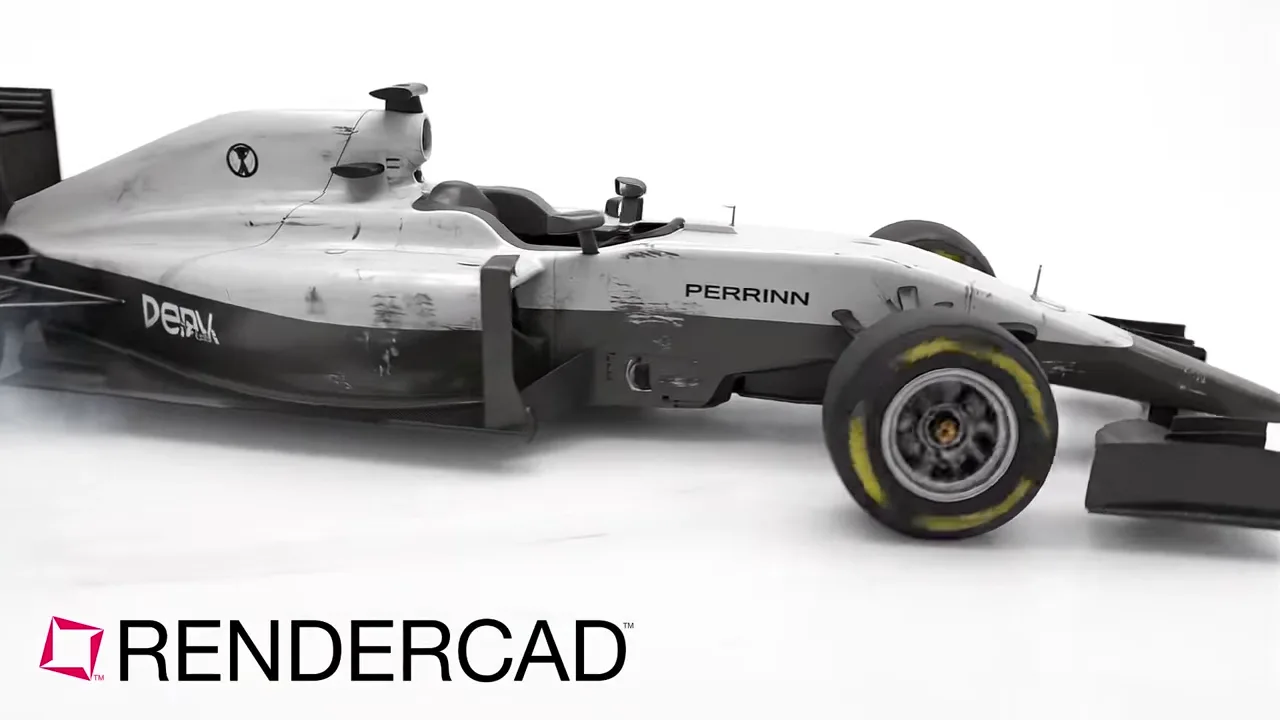
Build automated product rendering tools from CAD screenshots, drawings, and real product photos, with product images and videos as the output.
API READY. PRODUCT FOCUSED. BROWSER BASED.


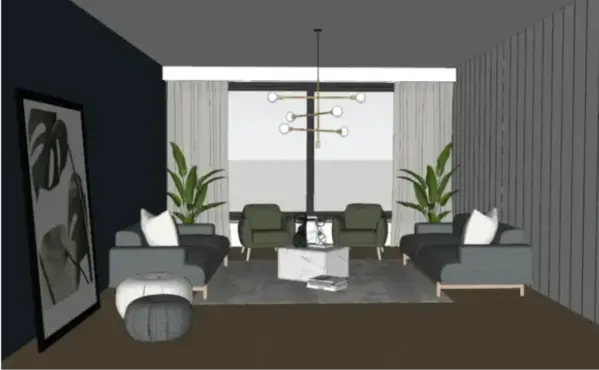

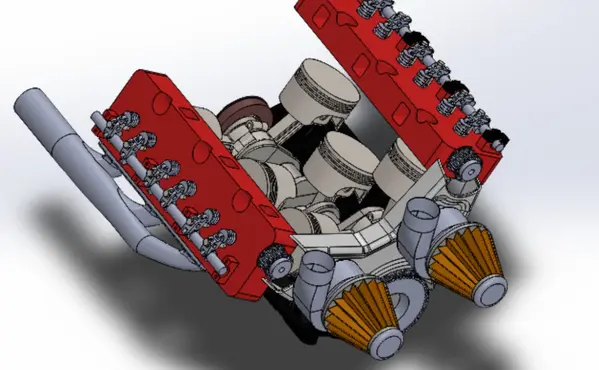
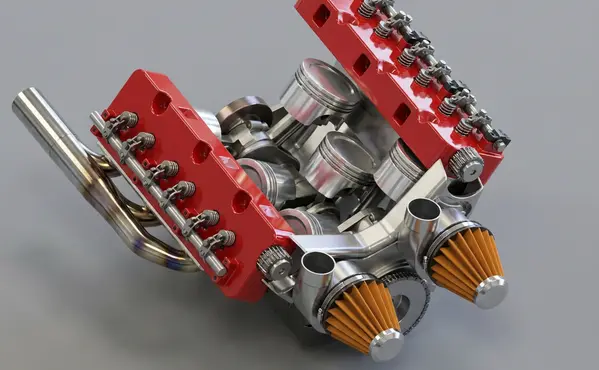


Grok can help a product team move from an informal request to a constrained visual brief. Its chat and Imagine tools support conversations around uploaded material and image or video creation, so a workflow can gather the intended audience, product variant, mood, composition, camera direction, crop, and channel before a render is requested. RENDERCAD is useful when that workflow needs a repeatable product-visual step based on a CAD viewport, turntable capture, product photograph, sketch, annotated screenshot, or existing mockup.
A practical handoff begins with the most informative reference view: use a clean CAD perspective when form and silhouette matter, a close product photo when a specific physical sample is the source, or a marked-up design view when the team needs to preserve a proposed change. Grok can turn a conversational request into a short, reviewable brief - for example, keep the front control panel visible, show a brushed-metal finish, use a three-quarter hero angle, and leave space for campaign copy. An operator or surrounding application can then send the approved reference and direction to RENDERCAD to develop a polished still for a product page, sales deck, retailer listing, launch concept, or design review.
This separation is valuable for catalog-enrichment queues, configurator concepts, seller tools, and launch-asset planning. Grok remains the place to explore language, variants, and creative options; RENDERCAD becomes the focused visual-output step. It also makes approvals clearer: teams can retain the source image and selected brief with each output rather than relying on an unstructured chat history.
Generated visuals should not become the source of truth for geometry, exact materials, product labels, safety details, or regulated claims. Confirm those details against the approved CAD data, product photography, and brand guidance before publishing. Keep permissions, asset rights, user access, and final approval in the surrounding application. For current RENDERCAD implementation guidance, use RENDERCAD developer documentation.
RENDERCAD helps Grok AI Workflows turn user assets into product images and videos through browser and API-driven rendering paths.
RENDERCAD can fit into LLM apps, internal AI workflows, product configurators, commerce tools, copilots, and automated launch pipelines. A workflow can collect user assets, guide render settings, submit image or video work, monitor completion, and return final asset links.
Keep implementation details pointed at the live source of truth: /developers. That page includes authentication, discovery catalogs, image rendering, video generation, polling, webhooks, cost behavior, errors, and an LLM-ready API spec copy action.
View API Reference| Workflow Task | Use RENDERCAD For | Live Docs |
|---|---|---|
| Authenticate | Bearer token and token scopes | Auth |
| Discover options | Models, conditions, backgrounds, materials, video presets | Discovery |
| Render images | CAD screenshots, drawings, product photos, references | Rendering |
| Create videos | Product motion, loops, presentation clips, image-to-video | Video |
| Track jobs | Polling and completion states | Polling |
| Automate delivery | Webhooks, history, asset links, error handling | Webhooks |
In an automated product tool, the input is the visual asset the user already has. Capture it, collect product-specific settings, trigger rendering, and return a polished image or video.
Modeled by CADSharp in Onshape. Rendered with RENDERCAD.
Add | Change | or Remove referenced objects with the stroke of a brush.
RENDERCAD gives AI workflows a focused rendering layer for product visuals. Use it when the user has a CAD screenshot, sketch, or product photo and the automated tool needs a product render or short video without building a traditional render scene.
| Feature | RENDERCAD | Others |
|---|---|---|
| Engine | Generative AI | Varies by tool |
| Output | Images + Video | Varies by tool |
| Resolution | HD / 4K | Varies by workflow |
| Image Speed | Image renders complete in 60 seconds. | Varies by scene/tool |
| Video Speed | Videos complete in 2-5 minutes. | Varies by workflow |
| Scene Set Up | No separate local scene | Varies by workflow |
| Input | Screen Snip | Varies by tool |
| Materials | 2,600+ Textures | Tool-dependent |
| Backgrounds | 1300+ Backgrounds | Tool-dependent |
| Conditions | 40+ Effects | Tool-dependent |
| References | Up to 6 Per Render | Varies |
| Hardware | Cloud GPU | Often local GPU/CPU |
| Install | None | Varies (web or app) |
| Cost | from $9/mo | Varies widely |
High-resolution stills and video. 1300+ backgrounds, 2,600+ materials, 40+ conditions, and repeatable settings give automated tools a practical product rendering layer. For exact API values, costs, auth scopes, and response fields, link the implementation to the developer reference.
No renderer setup. No local GPU requirement. No file export maze. RENDERCAD gives users direct access to 2,600+ materials and 1300+ backgrounds so they can create product images or videos from the source image they already have.
Forget about complex prompts, RENDERCAD lets you pick materials visually from our library with over 2600+ materials to choose from. Need more? Upload your own custom material references or even MATCH complex material reference images.
Unreleased products, private concepts, and early prototypes need careful handling. RENDERCAD can work from screenshots and photos, so users can create product visuals without handing off source CAD model files when an image input is enough.
Stop rolling the prompt dice trying to get the right background. RENDERCAD lets you visually select from over 1300+ environments in a single click. Supports 2D, 360 HDR, and even 3D Scenes.
One product, many backgrounds. Five products, one consistent visual system. RENDERCAD's bulk processing helps teams generate product render sets in a single batch. Need automation? Use the live API reference for current endpoints, request examples, token scopes, and LLM-ready API spec content.
 ™
RENDERCAD™
™
RENDERCAD™
RENDERCAD works from CAD viewports, sketches, product photos, browser images, and mockups. Capture the visual context the user already has, then render a product image or video without forcing them into a complex 3D pipeline.
Get StartedCommon solutions for Grok AI Workflows
Each render uses credits based on engine, resolution, and output type. Plans refresh credits monthly, and users can choose the option that matches their visual production volume.
Developers should use /developers for the live API reference, including authentication, discovery, image rendering, video generation, polling, webhooks, costs, errors, and examples.
Use RENDERCAD when the tool needs product-focused controls such as materials, backgrounds, conditions, reference images, image-to-video output, batch rendering, and repeatable settings for consistent product presentation.
The tool should collect the source visual, desired product presentation, material direction, background or scene preference, output type, and any references. Then it should use /developers for the current API contract.
No. Use this page for workflow fit and use /developers for exact endpoint paths, request bodies, response fields, authentication, polling, webhooks, costs, and error handling.
Yes. LLM apps, copilots, internal tools, and workflow automations can use RENDERCAD to support image rendering, video generation, option discovery, job tracking, and automated asset workflows. Use /developers as the live source of truth for current endpoints, parameters, token scopes, costs, and examples.
RENDERCAD works from CAD screenshots, viewport captures, hand drawings, napkin sketches, real life product photos, supplier images, and mockups. Users do not need to export or upload a 3D model file.
Yes. Automated tools can generate product videos from images, including motion styles for product demos, presentation clips, social assets, and e-commerce visuals.
Yes. Users can start from a sketch, CAD viewport, prototype photo, or concept image to create product renders before manufacturing, photography, or final packaging is ready.
Yes. Batch rendering, master backgrounds, material selection, and repeatable settings help teams generate consistent visual sets for catalogs, listings, decks, and launch content.
Users should only upload assets they own, control, or are authorized to use. Uploading someone else's logo, copyrighted image, or protected brand asset does not grant ownership of that material.
No. The standard workflow starts from images, not source CAD files, which helps users keep sensitive model files out of the rendering step.