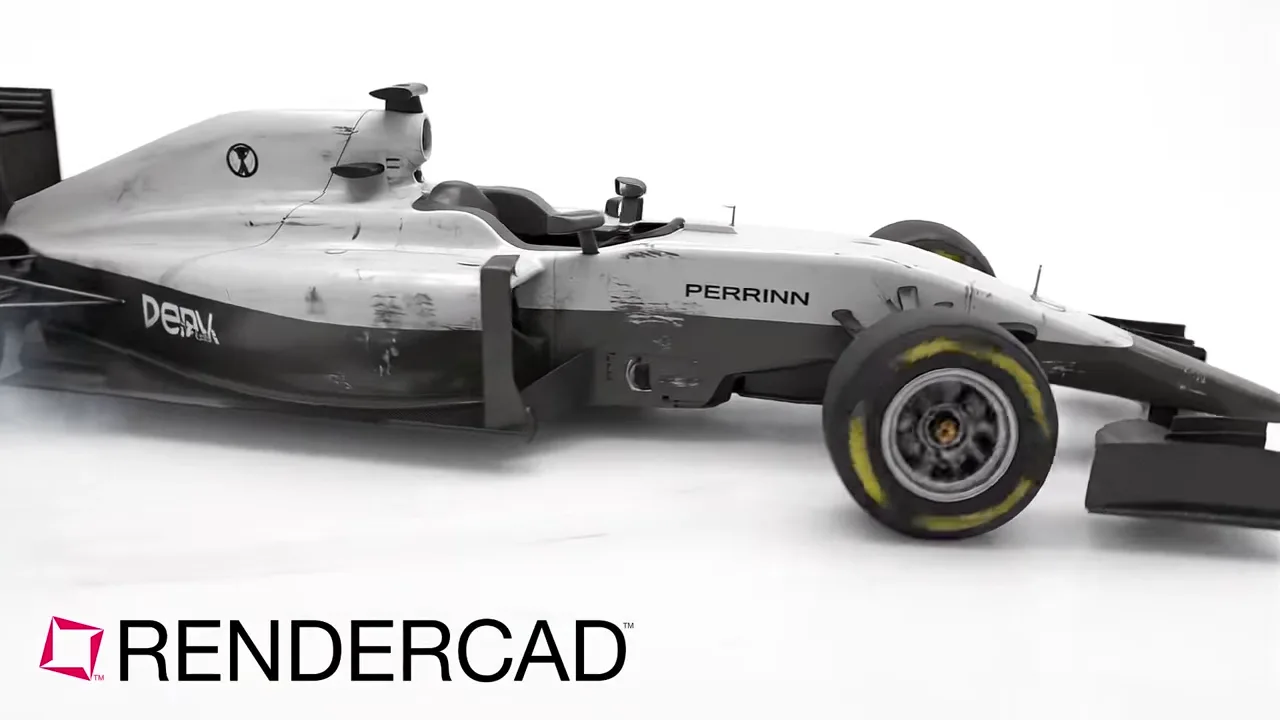
Explore polished presentation options from DAZ Studio character-scene views.
3D character and scene creation software for building posed figures, props, environments, animations, and rendered imagery.


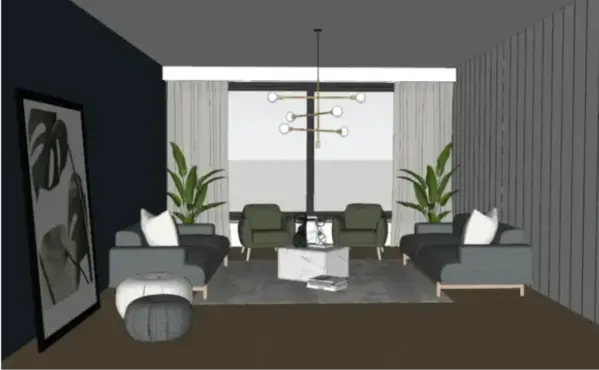
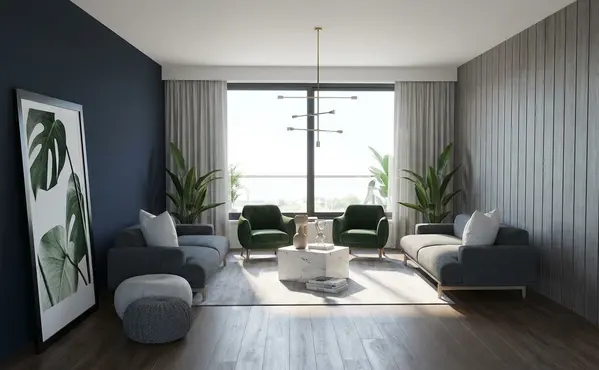


3D character and scene creation software for building posed figures, props, environments, animations, and rendered imagery.
DAZ Studio is designed for assembling character-led scenes: shape a figure, assign surfaces, add wardrobe and hair, choose an expression and pose, then compose the shot with props, an environment, cameras, and lights. Its content-based workflow makes it useful for character portraits, narrative stills, cover concepts, comic or visual-novel frames, and look-development boards. RENDERCAD can help after the DAZ Studio scene already communicates the intended character, silhouette, costume, camera angle, and staging. Use a clean camera view, Iray viewport preview, or draft render to explore a more polished presentation for a creative review, pitch, portfolio board, or marketing concept. Keep DAZ Studio as the source of truth for the figure, morphs, rigging, pose, wardrobe fit, simulated cloth or hair, scene assets, camera, lighting, and final render settings; a RENDERCAD result is a visual direction aid rather than a replacement for those scene decisions.
In DAZ Studio, settle the active camera and finalize the frame-defining work: figure shape, facial expression, pose, surfaces, wardrobe, hair, props, environment, and lights. If the shot depends on dForce cloth or hair behavior, run the simulation first and capture the desired frame. A camera view or an Iray viewport preview is most useful when it clearly shows the silhouette, crop, perspective, focal subject, and major light direction. Hide panes, selection outlines, grids, helper objects, and unrelated scene items before capturing a clean image. Upload that reference to RENDERCAD with concise direction for mood, background treatment, contrast, material feel, and the audience for the image. Compare the resulting presentation options, then return to DAZ Studio to correct scene content, physical placement, simulation, pose, and lighting before producing the final still or animation frames.
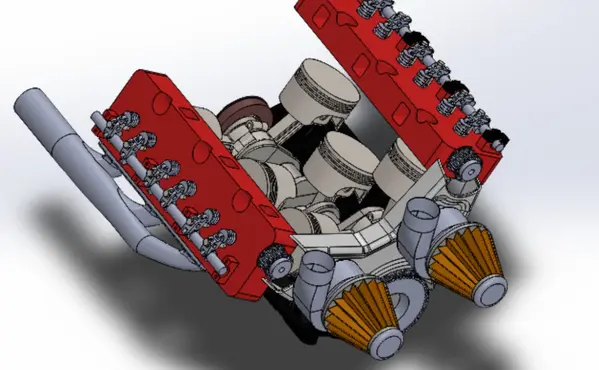
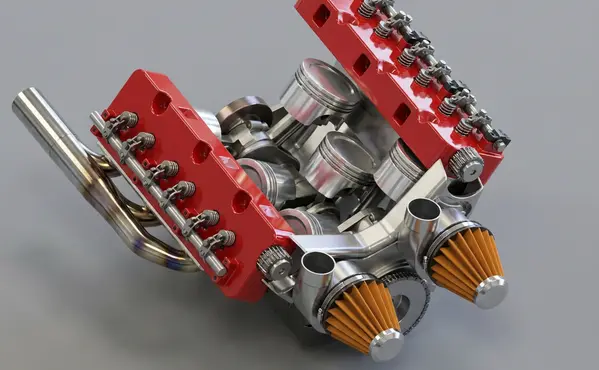
Modeled by CADSharp in Onshape. Rendered with RENDERCAD.
Add | Change | or Remove referenced objects with the stroke of a brush.
RENDERCAD uses a maintained selection of image-generation models for different rendering tasks. Results can vary by model and input, so compare generated output with the source design before relying on geometry, materials, or dimensions.
| Feature | RENDERCAD | DAZ Studio render workflow |
|---|---|---|
| Engine | Generative AI | DAZ Studio viewport draw styles and NVIDIA Iray rendering |
| Output | Images + Video | Still images, image series, and animation frames |
| Resolution | HD / 4K | Set by render settings and available resources |
| Image Speed | Image renders complete in 60 seconds. | Scene and hardware dependent |
| Video Speed | Videos complete in 2-5 minutes. | Animation renders are per-frame and scene dependent |
| Scene Set Up | No separate local scene | Figures, shaping, surfaces, wardrobe, hair, poses, props, environments, lights, cameras, simulations, and render settings |
| Input | Screen Snip | Built in - scene remains in DAZ Studio |
| Hardware | Cloud GPU | Desktop DAZ Studio workflow |
| Install | None | Built into the DAZ Studio render workflow |
| Cost | from $9/mo | Software access, content, add-ons, and licenses vary |
Read the numbers. We trust you to know theirs.
Skip a separate local scene build. Pick a condition, material, and background while RENDERCAD handles the image-generation step. Image renders complete in 60 seconds.
 ™
RENDERCAD™
™
RENDERCAD™
Use the browser workflow directly, capture a selected view with the desktop app, or start from the browser extension.
Get StartedCommon solutions for DAZ Studio users
Reuse the same authorized lighting, material, and style references, then review every output against the brand system. References can help consistency but do not guarantee it.
Upload a clear image or use a current capture tool, describe carbon fiber, and add an authorized material reference when a specific visual direction matters. Image renders complete in 60 seconds.
Choose a suitable background and describe a reflective floor. Inspect the generated reflection for alignment, product fidelity, and unintended details.
Upload a CAD screenshot, real photo, or hand drawing, open the Video panel, and choose an available duration, camera preset, and product motion. Videos complete in 2-5 minutes.
If the source viewport is visible but a local renderer fails, capture a clear screenshot and use it as a RENDERCAD input. Image renders complete in 60 seconds.
Yes. Upload a photo of a foam model and prompt "Finished plastic product" to visualize the final look.
Use Freeform style and prompt "Pencil Sketch" or "Blueprint" to turn your image into an illustration.
Image renders complete in 60 seconds.
Generation runs on cloud infrastructure, so a local rendering GPU is not required. The device still needs sufficient resources for the source application, browser, and network connection.
Context prompts can provide a visual scale cue, but the source model and known dimensions remain authoritative. Do not infer measurements from generated imagery.
RENDERCAD starts from a 2D image and uses generated material and environment direction. Built-in renderers may provide direct scene, geometry, lighting, and material control.
Provide a material reference or describe the intended scale, then compare the result with known dimensions and the source model.