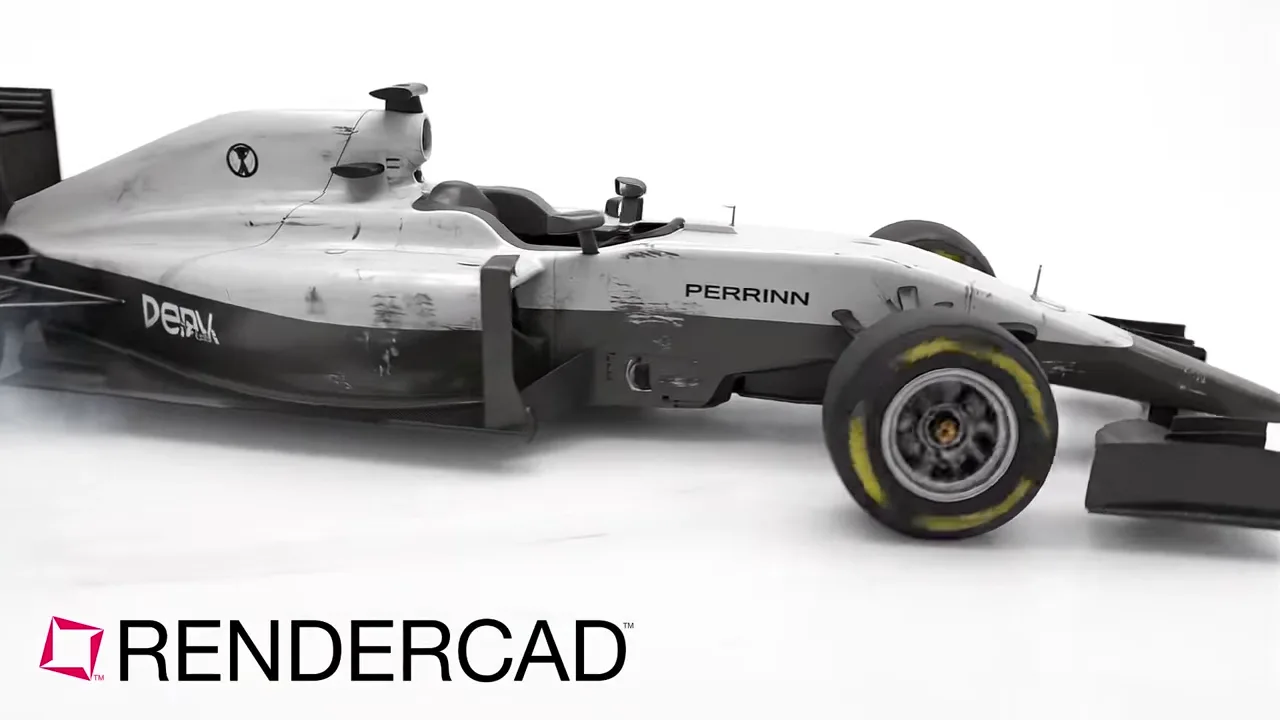
Create stunning photorealistic images and videos from any CAD system, real life photo, or even a quick napkin sketch.
IMAGE RENDERS COMPLETE IN 60 SECONDS.


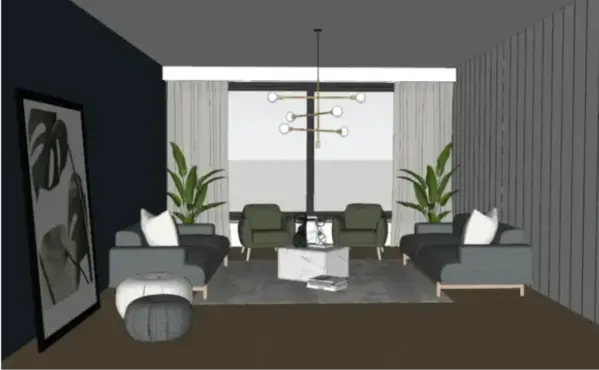
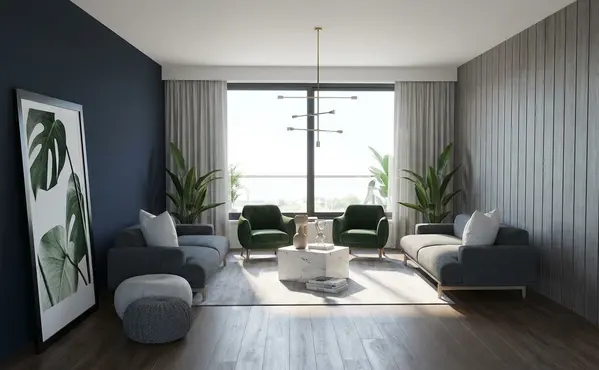


Vizcom is an AI design workspace for industrial designers and concept teams exploring product form, color, material, and finish directions. A sketch supplies the intended silhouette and viewpoint, while prompts can describe the subject, materials, setting, and rendering treatment. Designers can also work from reference imagery and 3D layers, then organize iterations on a canvas. It is useful for communicating an early product idea, comparing visual directions, or producing an exploratory concept before detailed CAD work is complete.
Vizcom is strongest at the open-ended part of product ideation: start with a readable sketch, preserve its perspective and proportions, then prompt material, lighting, context, and design-language variations. It can help a designer review several CMF or form directions before engineering is fixed. RENDERCAD is the better fit when the useful source is already a CAD viewport, product image, architecture view, or design screenshot and the goal is a polished visual with minimal scene rebuilding. A practical handoff is to use Vizcom to choose the direction, capture the approved model or viewport, then use RENDERCAD for stakeholder, marketing, or presentation imagery.
Vizcom and RENDERCAD can be complementary, but they begin with different kinds of certainty. Vizcom is an AI canvas for concept visualization. An industrial designer can sketch a chair, vehicle, appliance, footwear concept, or other product, then use a prompt and references to explore finishes, palette, environment, and visual treatment. Its canvas, layers, selections, and 3D-oriented workflows suit fast divergence and discussion while the product is still being invented. A simple, well-defined sketch is especially useful because it communicates the intended silhouette, proportions, and view angle. RENDERCAD is more direct once there is a source view worth preserving: a CAD screenshot, product render draft, architecture view, or existing design image. Feed that established view into a RENDERCAD workflow to develop clearer, presentation-ready output without asking an ideation tool to reinterpret the object from scratch. This is useful when sales, design review, or marketing needs a consistent visual of a known design. For current API implementation details, see RENDERCAD developer documentation. Vizcom output remains exploratory visual communication, not the source of truth for dimensions, manufacturability, assembly, or engineering change control. Keep CAD and engineering documentation authoritative, and validate materials, proportions, and product details before using any concept image as a final specification. Use Vizcom for discovering or explaining a direction; use RENDERCAD when an existing design view needs a stronger final rendering treatment.
Screenshot the CAD viewport you already have, render in the browser, and download a client-ready still or video without exports, plugins, or GPU setup.
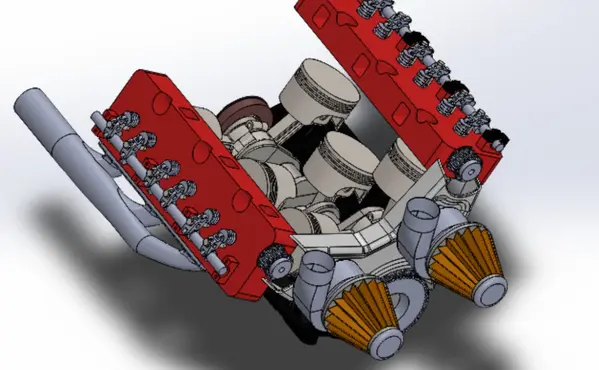
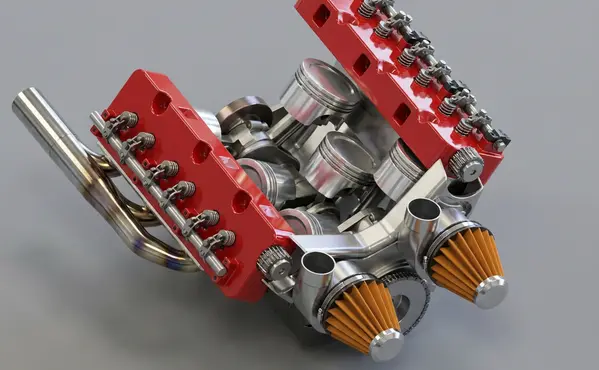
Modeled by CADSharp in Onshape. Rendered with RENDERCAD.
Add, change, or remove referenced objects with the stroke of a brush.
RENDERCAD uses a maintained selection of image-generation models for different rendering tasks. Results can vary by model and input, so compare generated output with the source design before relying on geometry, materials, or dimensions.
| Feature | RENDERCAD | Vizcom |
|---|---|---|
| Engine | Generative AI | AI design and rendering platform |
| Output | Images + Video | Still images, generated 3D assets, and short animations |
| Resolution | HD / 4K | Export resolution varies by feature and plan |
| Image Speed | Image renders complete in 60 seconds. | AI generation time varies by feature, quality, queue, and plan |
| Video Speed | Videos complete in 2-5 minutes. | Short animation generation; options vary by model and plan |
| Scene Set Up | No separate local scene | Canvas-based workflow using a sketch or image, prompt, references, layers, selections, and optional 3D content |
| Input | Screen Snip | Sketches, images, text prompts, reference imagery, and compatible 3D files |
| Materials | 2,600+ Textures | Prompted materials, finishes, palettes, and reference-driven visual exploration |
| Backgrounds | 1300+ Backgrounds | Tool-dependent |
| Conditions | 40+ Effects | Tool-dependent |
| References | Up to 6 Per Render | Varies |
| Hardware | Cloud (None Required) | Web app and desktop apps for macOS and Windows |
| Install | None | Browser app plus macOS and Windows desktop apps |
| Cost | from $9/mo | Free and paid usage-credit plans, with sales-led team and education access options |
Compare the workflows side by side and choose the one that fits the next task.
Skip a separate local scene build. Pick a condition, material, and background while RENDERCAD handles the image-generation step. Image renders complete in 60 seconds.
 ™
RENDERCAD™
™
RENDERCAD™
Use the browser workflow directly, capture a selected view with the desktop app, or start from the browser extension.
Get StartedCommon questions about RENDERCAD and this workflow
The Seamless Loop option is designed to improve continuity between the end and beginning of a generated video. Inspect the transition before publishing because generative motion and loop quality can vary by image and model.
RENDERCAD's Create Video workflow generates a video from a single image and provides Camera and Product Motion controls. Videos complete in 2-5 minutes.
RENDERCAD image renders complete in 60 seconds. Competing AI tool speed depends on the selected model, prompt, queue, output type, and whether the job is image or video generation.
Usually. Generation runs in the cloud, so it does not occupy a local renderer. Keep the relevant browser workflow available as required, and expect normal network and browser resource use while the job is submitted and results are loaded.
RENDERCAD starts from a supported 2D image such as a CAD viewport capture, product photo, or drawing. You do not need to import the native 3D scene, but you may need to capture or export a clear image from the source application first.
RENDERCAD avoids much of the scene, shader, and local-renderer setup used by traditional rendering tools. Users still need to prepare a useful source image, choose suitable options, describe the intended result, and review generated details.
Yes. A clear viewport capture can become a more polished visual for a design review. Image renders complete in 60 seconds, making it practical to prepare or iterate presentation options.
RENDERCAD is designed to create more polished, realistic-looking presentation images from a source view. Results vary by input and settings, and generated images should be checked against the original model before they are used to communicate exact design details.
Upload a clear view, describe the brushed-aluminum finish you want, and add a material reference when the visual direction matters. Because the result is generated from an image, inspect the grain direction and surface details against your original design before using it in a final presentation.
Describe the wood species and finish you want, and provide a reference image when scale or grain direction matters. RENDERCAD can generate a wood-like visual treatment, but it does not replace model-level texture mapping or guarantee an exact, repeatable grain pattern.
Start with a clear source view, choose a simple background, and describe the studio look you want. RENDERCAD can generate a presentation image without requiring you to build a traditional light rig, but the lighting is image-based and should be reviewed rather than treated as a physically measured setup.
Yes. Request a golden-hour look and describe the mood or direction you want. The generated warmth, shadows, and light direction can vary between results, so compare important design details with the source image.
What RENDERCAD customers say