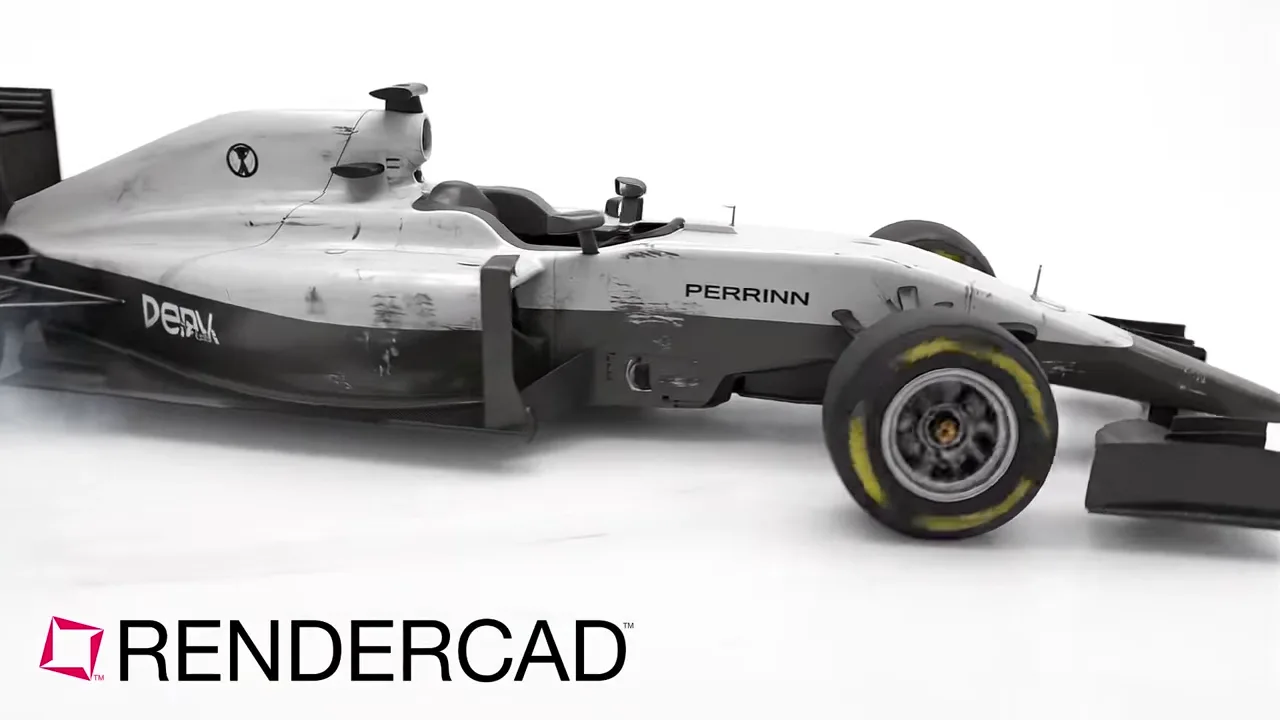
Create stunning photorealistic images and videos from any CAD system, real life photo, or even a quick napkin sketch.
IMAGE RENDERS COMPLETE IN 60 SECONDS.


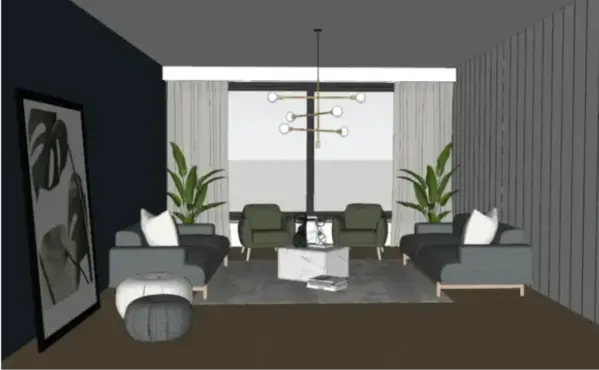
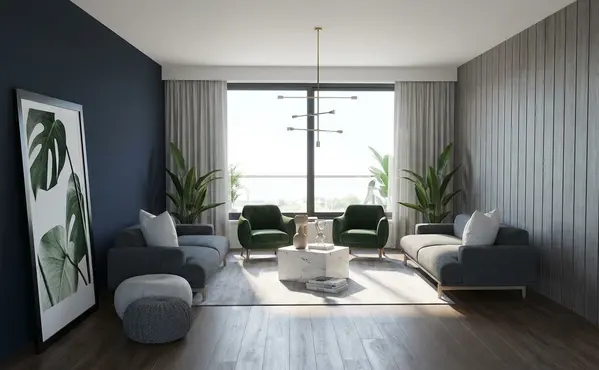
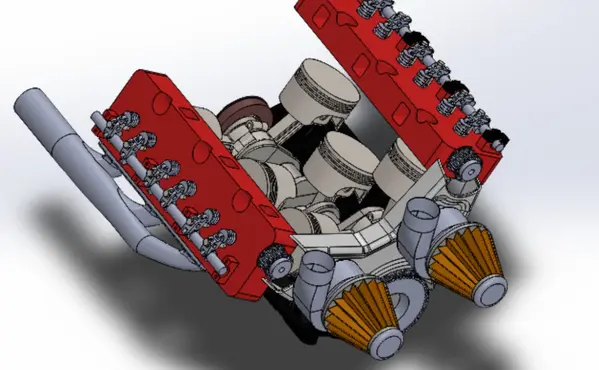


Rendering.ai does not appear to have a clearly documented current standalone product page in public search results. The term is best treated as broad AI rendering intent around turning sketches, screenshots, product views, architectural concepts, or other design images into more polished visual output.
For Rendering.ai, the practical comparison starts with verification: public results do not establish a specific renderer with stable inputs, pricing, output formats, or setup requirements. If you are searching the term because you need AI rendering for CAD, product, or architectural visuals, RENDERCAD provides the concrete workflow: upload a viewport, screenshot, or design image, describe the desired material, lighting, or scene direction, and generate polished stills or video without exporting model files or installing renderer plugins.
Because Rendering.ai is not clearly documented as a current product, it is more useful to compare the likely search intent than to invent feature claims. A visitor searching for Rendering.ai may be looking for AI-assisted rendering, sketch-to-render tools, image enhancement, architecture visualization, or a faster alternative to traditional scene setup. RENDERCAD fits that intent when the starting point is already visible on screen: a CAD viewport, model screenshot, product image, interior view, facade study, or design concept. Instead of requiring a confirmed Rendering.ai account, file format, scene editor, or material library, RENDERCAD focuses on screenshot-to-render output in the browser. Use RENDERCAD when you want a practical, documented workflow for quick visual exploration; keep evaluating other AI rendering tools if you need a named platform with specific proprietary controls, team management, or pipeline integrations.
Screenshot the CAD viewport you already have, render in the browser, and download a client-ready still or video without exports, plugins, or GPU setup.
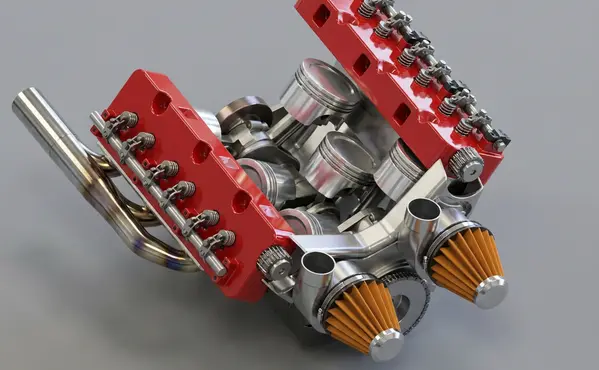
Modeled by CADSharp in Onshape. Rendered with RENDERCAD.
Add | Change | or Remove referenced objects with the stroke of a brush.
RENDERCAD uses a maintained selection of image-generation models for different rendering tasks. Results can vary by model and input, so compare generated output with the source design before relying on geometry, materials, or dimensions.
| Feature | RENDERCAD | Rendering.ai |
|---|---|---|
| Engine | Generative AI | AI rendering search term |
| Output | Images + Video | Varies by tool |
| Resolution | HD / 4K | Varies |
| Image Speed | Image renders complete in 60 seconds. | Not publicly verified |
| Video Speed | Videos complete in 2-5 minutes. | Varies by workflow |
| Scene Set Up | No separate local scene | Varies by workflow |
| Input | Screen Snip | Varies by tool |
| Materials | 2,600+ Textures | Library varies |
| Backgrounds | 1300+ Backgrounds | Tool-dependent |
| Conditions | 40+ Effects | Tool-dependent |
| References | Up to 6 Per Render | Varies |
| Hardware | Cloud (None Required) | No verified standalone platform |
| Install | None | Varies (web or app) |
| Cost | from $9/mo | No verified public product pricing |
Side by side, feature by feature. See how RENDERCAD's AI approach compares with Rendering.ai's prompt and image generation workflow.
Skip a separate local scene build. Pick a condition, material, and background while RENDERCAD handles the image-generation step. Image renders complete in 60 seconds.
 ™
RENDERCAD™
™
RENDERCAD™
Use the browser workflow directly, capture a selected view with the desktop app, or start from the browser extension.
Get StartedCommon questions about RENDERCAD vs Rendering.ai
The Seamless Loop option is designed to improve continuity between the end and beginning of a generated video. Inspect the transition before publishing because generative motion and loop quality can vary by image and model.
RENDERCAD's Create Video workflow generates a video from a single image and provides Camera and Product Motion controls. Videos complete in 2-5 minutes.
RENDERCAD image renders complete in 60 seconds. Competing AI tool speed depends on the selected model, prompt, queue, output type, and whether the job is image or video generation.
Usually. Generation runs in the cloud, so it does not occupy a local renderer. Keep the relevant browser workflow available as required, and expect normal network and browser resource use while the job is submitted and results are loaded.
RENDERCAD starts from a supported 2D image such as a CAD viewport capture, product photo, or drawing. You do not need to import the native 3D scene, but you may need to capture or export a clear image from the source application first.
RENDERCAD avoids much of the scene, shader, and local-renderer setup used by traditional rendering tools. Users still need to prepare a useful source image, choose suitable options, describe the intended result, and review generated details.
Yes. A clear viewport capture can become a more polished visual for a design review. Image renders complete in 60 seconds, making it practical to prepare or iterate presentation options.
RENDERCAD is designed to create more polished, realistic-looking presentation images from a source view. Results vary by input and settings, and generated images should be checked against the original model before they are used to communicate exact design details.
Upload a clear view, describe the brushed-aluminum finish you want, and add a material reference when the visual direction matters. Because the result is generated from an image, inspect the grain direction and surface details against your original design before using it in a final presentation.
Describe the wood species and finish you want, and provide a reference image when scale or grain direction matters. RENDERCAD can generate a wood-like visual treatment, but it does not replace model-level texture mapping or guarantee an exact, repeatable grain pattern.
Start with a clear source view, choose a simple background, and describe the studio look you want. RENDERCAD can generate a presentation image without requiring you to build a traditional light rig, but the lighting is image-based and should be reviewed rather than treated as a physically measured setup.
Yes. Request a golden-hour look and describe the mood or direction you want. The generated warmth, shadows, and light direction can vary between results, so compare important design details with the source image.
Trusted by Architects, Product Designers, and Engineering Teams