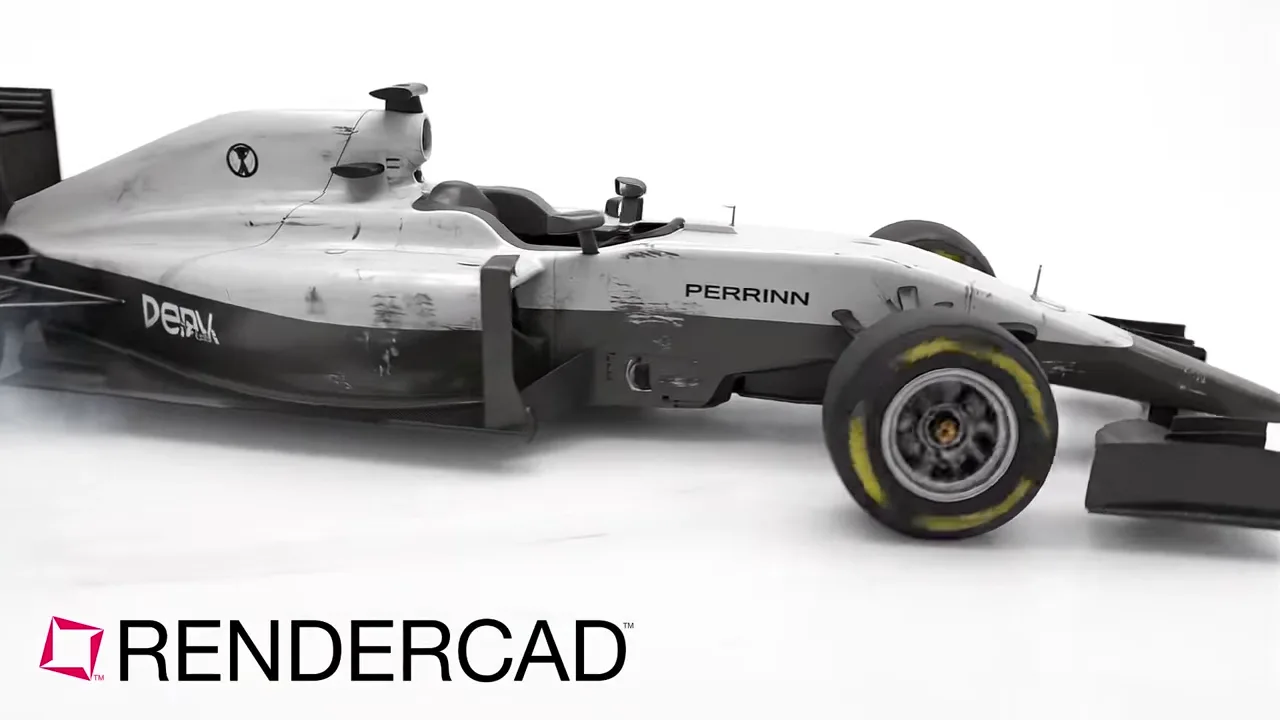
Create stunning photorealistic images and videos from any CAD system, real life photo, or even a quick napkin sketch.
IMAGE RENDERS COMPLETE IN 60 SECONDS.


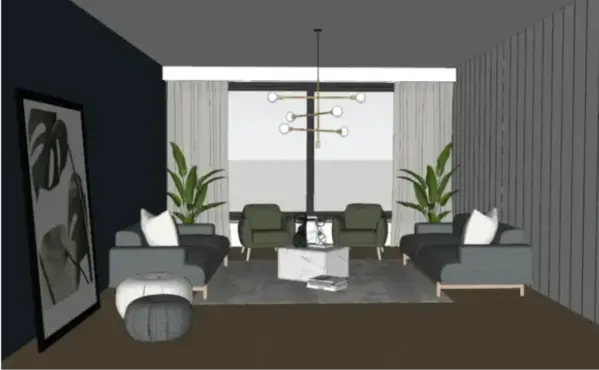
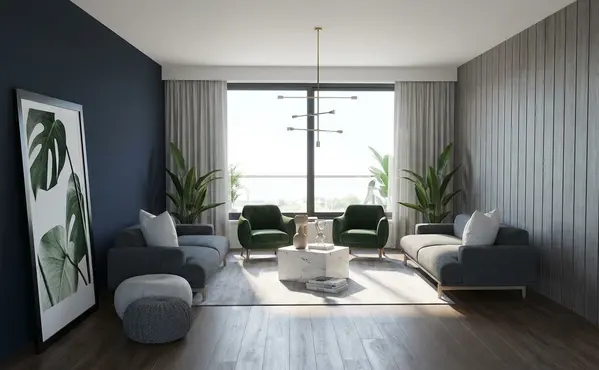
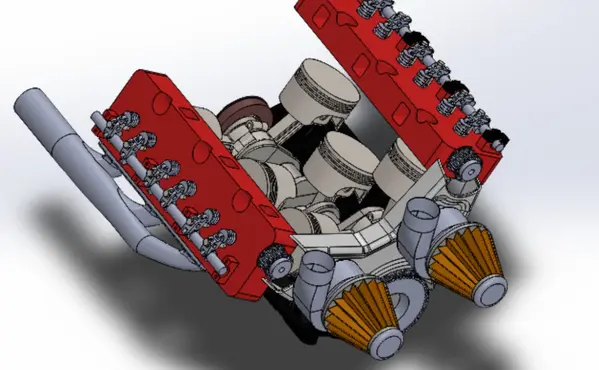


Meshroom is an open-source, node-based visual programming toolbox for photogrammetry and related computer vision pipelines. With AliceVision workflows, it can reconstruct textured 3D assets from image sets and inspect intermediate 3D data.
Meshroom is best when you need to reconstruct a real object, prop, building detail, or capture environment from many photos, then inspect and refine the resulting 3D data. It is not a one-step renderer for a CAD viewport: users manage image capture, camera solving, depth, meshing, texturing, cache files, and downstream cleanup. RENDERCAD fits the presentation side of the workflow - turning an existing CAD, product, or architectural view into polished render output without building a photogrammetry pipeline.
Meshroom and the AliceVision plugin focus on Structure-from-Motion, multi-view reconstruction, camera tracking, HDR panorama, lidar meshing, and related computer vision tasks. That makes Meshroom valuable for VFX, cultural heritage, research, and asset capture when the physical subject already exists and the goal is to create or process 3D data from source imagery. The tradeoff is workflow depth: a usable scan depends on capture quality, node settings, local resources, and often cleanup or relighting in another 3D tool before it becomes a client-ready visual. RENDERCAD does not replace photogrammetry, camera tracking, or reconstruction. It is better for fast visual iteration when the design is already visible in a CAD viewport, product image, or architecture screenshot and the deliverable is a polished still or short visual. Use Meshroom to generate or process captured 3D assets; use RENDERCAD when you need presentation imagery without managing a node graph, model cleanup, or distributed compute setup.
Screenshot the CAD viewport you already have, render in the browser, and download a client-ready still or video without exports, plugins, or GPU setup.
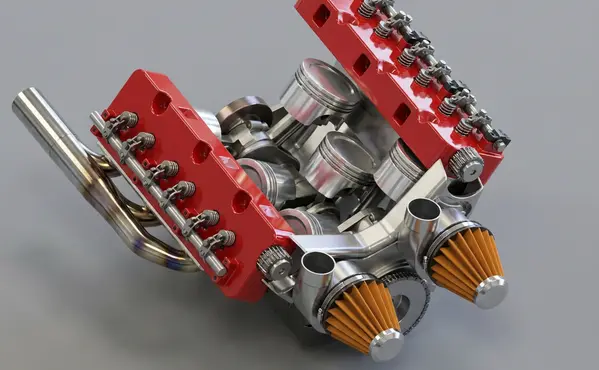
Modeled by CADSharp in Onshape. Rendered with RENDERCAD.
Add, change, or remove referenced objects with the stroke of a brush.
RENDERCAD uses a maintained selection of image-generation models for different rendering tasks. Results can vary by model and input, so compare generated output with the source design before relying on geometry, materials, or dimensions.
| Feature | RENDERCAD | Meshroom |
|---|---|---|
| Engine | Generative AI | Node-based photogrammetry and computer vision pipelines |
| Output | Images + Video | Textured 3D reconstruction data, camera tracks, panoramas, and intermediate node outputs |
| Resolution | HD / 4K | Depends on source imagery, reconstruction settings, and export workflow |
| Image Speed | Image renders complete in 60 seconds. | Minutes to hours depending on image set and nodes |
| Video Speed | Videos complete in 2-5 minutes. | Not a video-first renderer; processing time varies by pipeline |
| Scene Set Up | No separate local scene | Photo capture planning, node graph setup, reconstruction, texturing, and downstream cleanup |
| Input | Screen Snip | Image sets and pipeline data for photogrammetry, camera tracking, HDR, lidar, and related nodes |
| Materials | 2,600+ Textures | Captured textures and generated appearance data; final materials often need cleanup in a 3D tool |
| Backgrounds | 1300+ Backgrounds | Tool-dependent |
| Conditions | 40+ Effects | Tool-dependent |
| References | Up to 6 Per Render | Varies |
| Hardware | Cloud (None Required) | Desktop releases for Windows and Linux; no official macOS release |
| Install | None | Official desktop packages for Windows and Linux; source builds require local dependencies |
| Cost | from $9/mo | Open source |
Compare the workflows side by side and choose the one that fits the next task.
Skip a separate local scene build. Pick a condition, material, and background while RENDERCAD handles the image-generation step. Image renders complete in 60 seconds.
 ™
RENDERCAD™
™
RENDERCAD™
Use the browser workflow directly, capture a selected view with the desktop app, or start from the browser extension.
Get StartedCommon questions about RENDERCAD and this workflow
The Seamless Loop option is designed to improve continuity between the end and beginning of a generated video. Inspect the transition before publishing because generative motion and loop quality can vary by image and model.
RENDERCAD's Create Video workflow generates a video from a single image and provides Camera and Product Motion controls. Videos complete in 2-5 minutes.
RENDERCAD image renders complete in 60 seconds. Competing renderer speed depends on scene complexity, render settings, hardware, queue time, and final output quality.
Usually. Generation runs in the cloud, so it does not occupy a local renderer. Keep the relevant browser workflow available as required, and expect normal network and browser resource use while the job is submitted and results are loaded.
RENDERCAD starts from a supported 2D image such as a CAD viewport capture, product photo, or drawing. You do not need to import the native 3D scene, but you may need to capture or export a clear image from the source application first.
RENDERCAD avoids much of the scene, shader, and local-renderer setup used by traditional rendering tools. Users still need to prepare a useful source image, choose suitable options, describe the intended result, and review generated details.
Yes. A clear viewport capture can become a more polished visual for a design review. Image renders complete in 60 seconds, making it practical to prepare or iterate presentation options.
RENDERCAD is designed to create more polished, realistic-looking presentation images from a source view. Results vary by input and settings, and generated images should be checked against the original model before they are used to communicate exact design details.
Upload a clear view, describe the brushed-aluminum finish you want, and add a material reference when the visual direction matters. Because the result is generated from an image, inspect the grain direction and surface details against your original design before using it in a final presentation.
Describe the wood species and finish you want, and provide a reference image when scale or grain direction matters. RENDERCAD can generate a wood-like visual treatment, but it does not replace model-level texture mapping or guarantee an exact, repeatable grain pattern.
Start with a clear source view, choose a simple background, and describe the studio look you want. RENDERCAD can generate a presentation image without requiring you to build a traditional light rig, but the lighting is image-based and should be reviewed rather than treated as a physically measured setup.
Yes. Request a golden-hour look and describe the mood or direction you want. The generated warmth, shadows, and light direction can vary between results, so compare important design details with the source image.
What RENDERCAD customers say