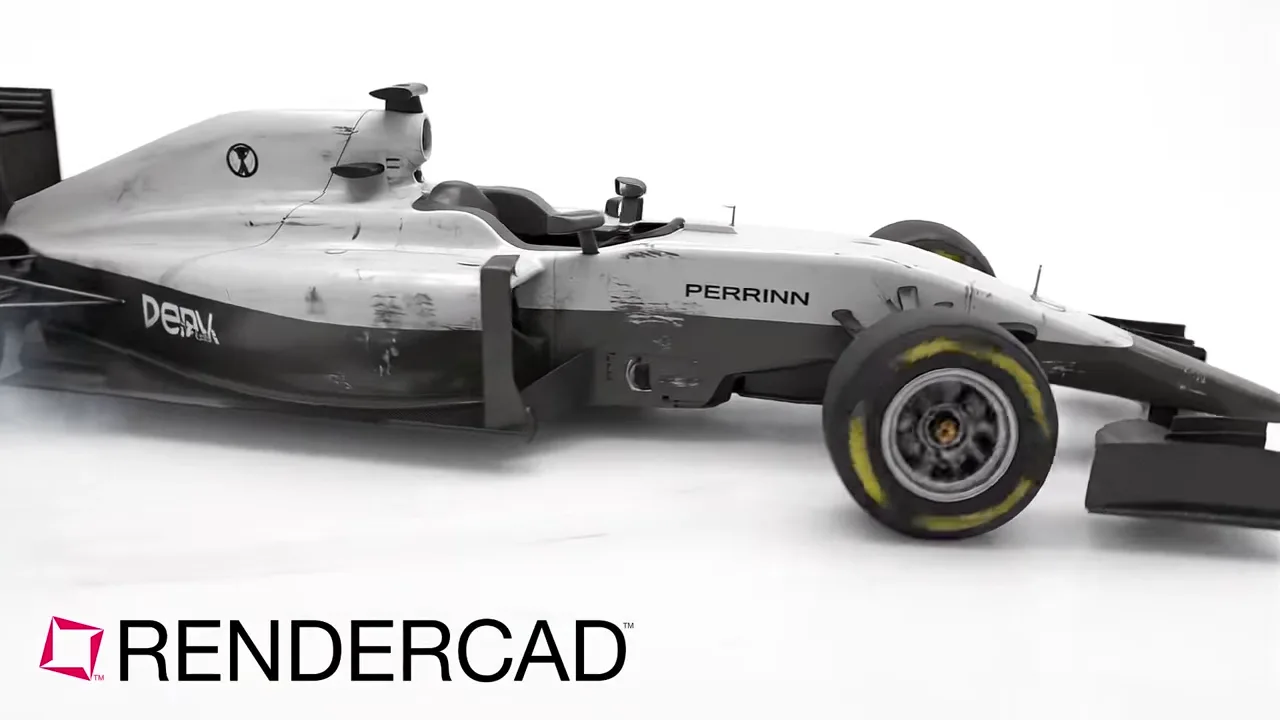
Create stunning photorealistic images and videos from any CAD system, real life photo, or even a quick napkin sketch.
IMAGE RENDERS COMPLETE IN 60 SECONDS.


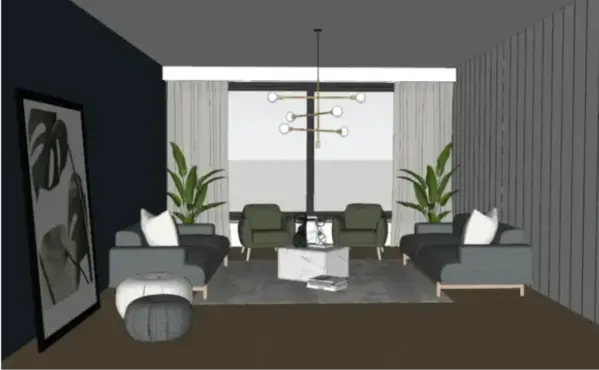
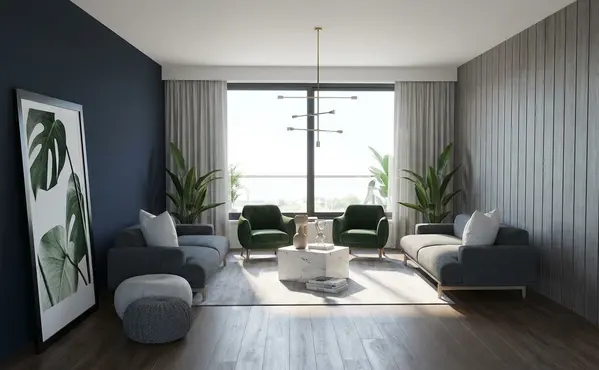


Brigade is OTOY's real-time path-tracing rendering technology for games and interactive graphics. It is built around a prepared 3D scene: geometry, cameras, physically based materials, lights, animation or interaction, and the GPU performance needed to keep that scene responsive. OTOY also describes Brigade technology within its Octane ecosystem. That makes it relevant to teams working on interactive 3D content, but a different starting point from a designer who already has one useful CAD or product view and needs a stronger presentation image.
Brigade fits a team building interactive 3D or game-style content that needs a path-traced renderer inside a scene and engine workflow. The useful input is not a single image: it is a prepared scene with camera, geometry, materials, lighting, and performance decisions that can be evaluated as the view changes. RENDERCAD fits a later or lighter visual task. Start with the clearest CAD viewport, product angle, architectural concept, or marketing image, then create a polished still for a review, deck, listing, or campaign exploration. Brigade is the source of truth for interactive scene behavior and authored 3D assets; RENDERCAD does not replace that scene authoring or engine integration.
Brigade and RENDERCAD both help teams pursue more convincing visuals, but they operate at different production layers. Brigade is a real-time path-tracing technology aimed at interactive graphics. Its workflow presumes that the team can supply and manage the actual 3D scene: meshes, cameras, physically based materials, light sources, animation or interaction, and a GPU-aware performance budget. That depth matters when a viewer must navigate the scene, when content changes at runtime, or when the renderer is part of the application itself.
RENDERCAD is useful when the visual decision is already visible in a selected frame and the immediate need is communication rather than an interactive build. Choose a clean viewport or screen capture that shows the intended product angle, massing, layout, finish, or lighting direction. Use it to explore presentation-ready stills for design reviews, stakeholder decks, product pages, sales concepts, or architectural mood studies. Keep Brigade or the original 3D application as the source of truth for dimensions, geometry, material behavior, animation, and real-time performance. Use RENDERCAD to develop the image around that approved view, not to validate an engine scene or substitute for authored 3D data.
Screenshot the CAD viewport you already have, render in the browser, and download a client-ready still or video without exports, plugins, or GPU setup.
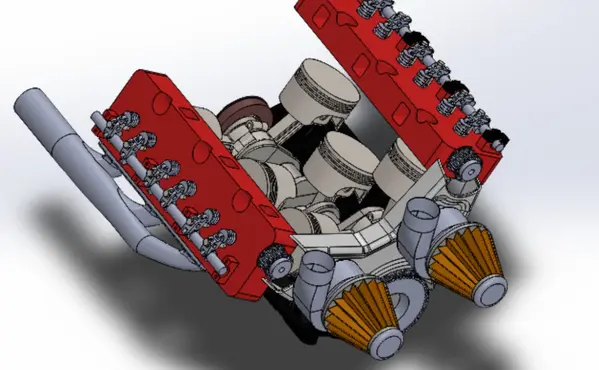
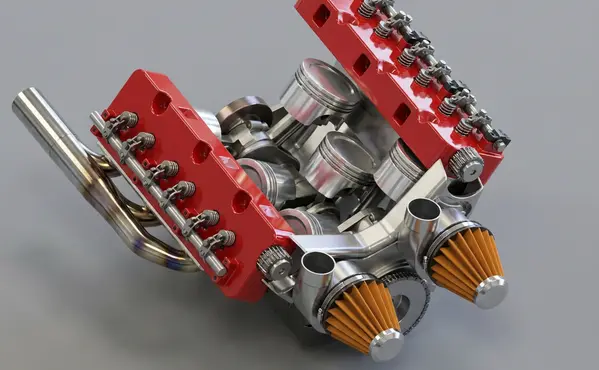
Modeled by CADSharp in Onshape. Rendered with RENDERCAD.
Add | Change | or Remove referenced objects with the stroke of a brush.
RENDERCAD uses a maintained selection of image-generation models for different rendering tasks. Results can vary by model and input, so compare generated output with the source design before relying on geometry, materials, or dimensions.
| Feature | RENDERCAD | Brigade |
|---|---|---|
| Engine | Generative AI | Real-time path tracing |
| Output | Images + Video | Varies by tool |
| Resolution | HD / 4K | Varies |
| Image Speed | Image renders complete in 60 seconds. | Designed for interactive path-traced rendering; performance varies with scene complexity and available GPU resources |
| Video Speed | Videos complete in 2-5 minutes. | Varies by workflow |
| Scene Set Up | No separate local scene | Varies by workflow |
| Input | Screen Snip | Varies by tool |
| Materials | 2,600+ Textures | Library varies |
| Backgrounds | 1300+ Backgrounds | Tool-dependent |
| Conditions | 40+ Effects | Tool-dependent |
| References | Up to 6 Per Render | Varies |
| Hardware | Cloud (None Required) | GPU-based OTOY and Octane-oriented 3D rendering workflows |
| Install | None | Varies (web or app) |
| Cost | from $9/mo | Availability is tied to OTOY and Octane-oriented workflows rather than a standalone CAD still-render service |
Side by side, feature by feature. See how RENDERCAD's AI approach compares with Brigade's interactive visualization workflow.
Skip a separate local scene build. Pick a condition, material, and background while RENDERCAD handles the image-generation step. Image renders complete in 60 seconds.
 ™
RENDERCAD™
™
RENDERCAD™
Use the browser workflow directly, capture a selected view with the desktop app, or start from the browser extension.
Get StartedCommon questions about RENDERCAD vs Brigade
RENDERCAD processes generation in the cloud, so it does not require a dedicated local rendering GPU. You still need a supported browser and internet connection, and normal browser, upload, and download activity can use local device resources.
RENDERCAD image renders complete in 60 seconds. Competing real-time tools may preview quickly, but final output speed still depends on scene complexity, hardware, export settings, and output quality.
RENDERCAD starts at $9/month with credits that refresh monthly - predictable costs with no upfront investment or perpetual license fees.
RENDERCAD starts from a supported 2D image such as a CAD viewport capture, product photo, or drawing. You do not need to import the native 3D scene, but you may need to capture or export a clear image from the source application first.
RENDERCAD can generate a visual interpretation of a described or referenced material without requiring shader parameters. It does not guarantee physically measured or specification-accurate material behavior, so validate critical color, grain, reflectivity, and finish details against approved references.
Yes. A clear viewport capture can become a more polished visual for a design review. Image renders complete in 60 seconds, making it practical to prepare or iterate presentation options.
With RENDERCAD, upload or snip a clear image, describe carbon fiber, and add a material reference when exact visual direction matters. Image renders complete in 60 seconds.
Upload a clear view, describe the brushed-aluminum finish you want, and add a material reference when the visual direction matters. Because the result is generated from an image, inspect the grain direction and surface details against your original design before using it in a final presentation.
Describe an environment such as a sunny forest or urban street and use a reference image when needed. Image renders complete in 60 seconds without building a local scene file or environment map.
Start with a clear source view, choose a simple background, and describe the studio look you want. RENDERCAD can generate a presentation image without requiring you to build a traditional light rig, but the lighting is image-based and should be reviewed rather than treated as a physically measured setup.
RENDERCAD can generate orbit-style motion from a single image using a Camera option. Because the motion is inferred rather than rendered from a complete 3D model, review geometry and hidden-side details before publishing the result.
The Seamless Loop option is designed to improve continuity between the end and beginning of a generated video. Inspect the transition before publishing because generative motion and loop quality can vary by image and model.
Trusted by Architects, Product Designers, and Engineering Teams