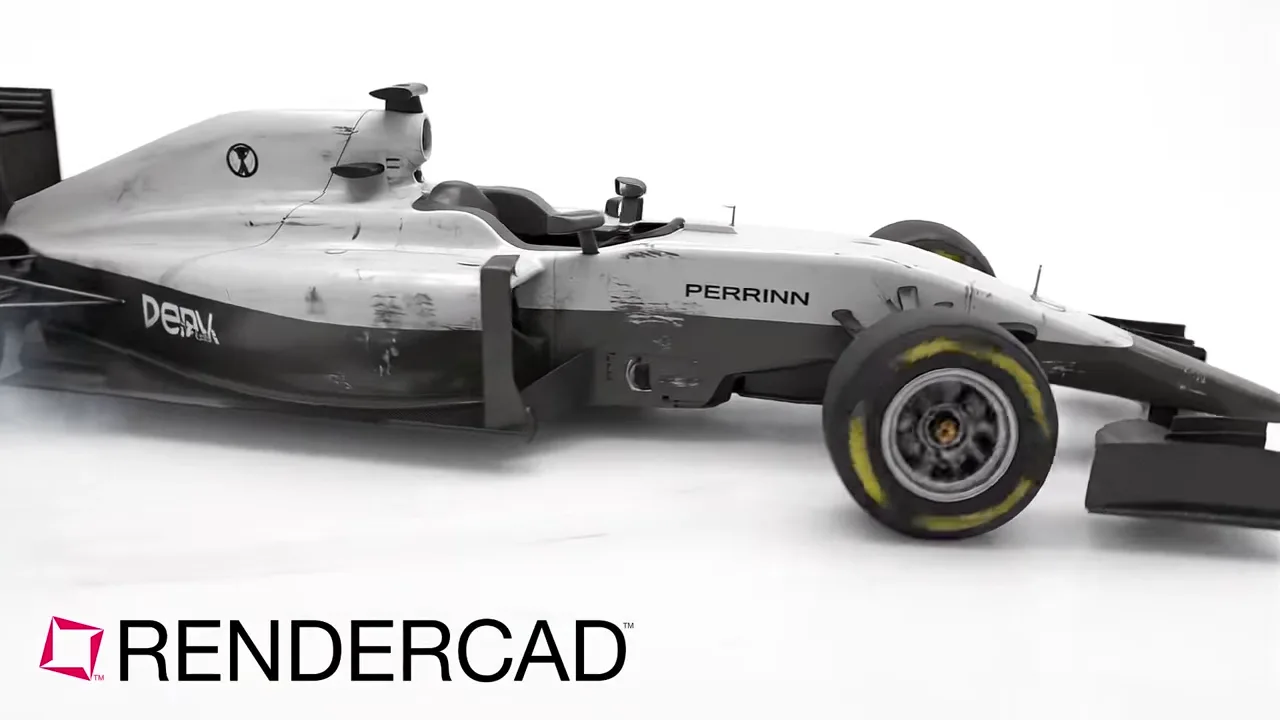
Fusion's built-in renderer needs materials, lighting, and render time. RENDERCAD turns a viewport screenshot into a photorealistic image in 60 seconds.
IMAGE RENDERS COMPLETE IN 60 SECONDS.


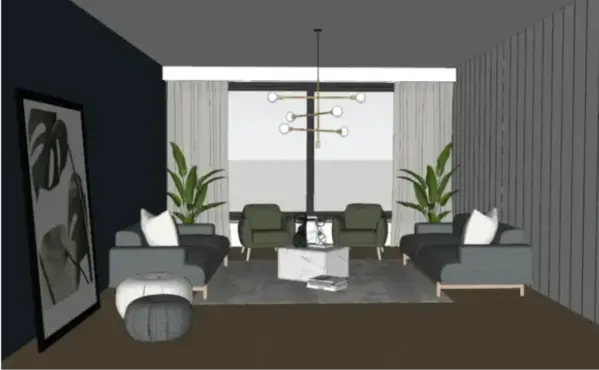
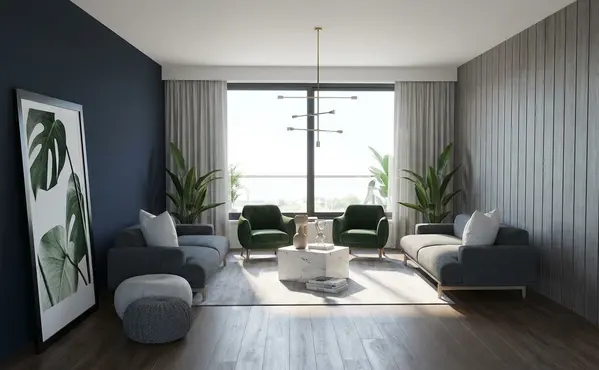
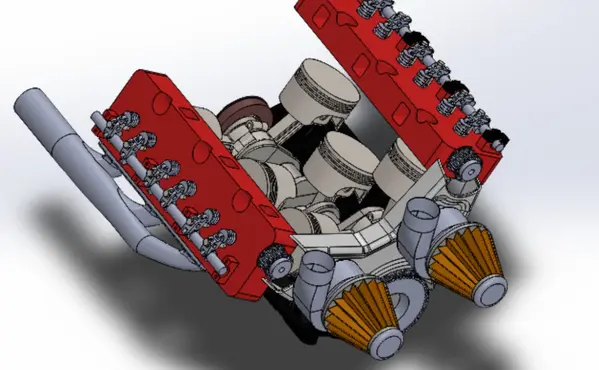


Autodesk Fusion Render is Fusion's Render workspace for making photorealistic still images from native designs. It combines ray tracing with assigned appearances, texture controls, decals, scene environments, and camera settings. Users can preview an in-canvas render, capture that view, or submit a configured still to local or cloud rendering. It suits product designers who need the CAD model, the chosen finish, and the camera setup to stay connected while they prepare product reviews, design presentations, or launch imagery.
Fusion Render is the natural choice when the visual must remain tied to a Fusion design. In the Render workspace, a designer can apply or override appearances on bodies and faces, position a camera, set an environment and ground effects, then create a ray-traced still in the canvas, locally, or through cloud rendering. That control is valuable for a product image where the modeled geometry and authored Fusion appearance are the source of truth. RENDERCAD serves a different presentation workflow: frame the most useful Fusion viewport, capture a clear screenshot, and use it to explore a polished visual direction without exporting the native model or rebuilding a full render scene. It is useful for concept reviews, early product storytelling, and sharing visual alternatives across teams that use different CAD tools. Use Fusion Render when exact model-linked materials, decals, camera settings, and repeatability matter. Use RENDERCAD when a selected CAD view is enough to communicate the form and the goal is to quickly create stronger presentation imagery.
A Fusion render begins with the actual design, so preparation is part of the workflow. Appearances can be applied to components, bodies, or individual faces, while texture mapping, decals, lighting environments, backgrounds, ground reflections, perspective or orthographic camera choices, and depth of field can shape the final still. In-canvas ray tracing is useful for checking the scene and capturing the current view; changing the view or scene causes the preview to recalculate. Local and cloud rendering provide configured output settings and a rendering gallery for completed images. This makes Fusion Render a solid choice for controlled, CAD-native product stills, but quality and turnaround still depend on the scene setup and chosen render quality.
RENDERCAD starts from the image rather than the Fusion file. Capture a viewport with the product silhouette, angle, and visible design details that matter, then use that screenshot as the starting point for a presentation-oriented render. This can help a designer or marketing teammate compare visual treatments without transmitting the full CAD model or recreating native appearances in another renderer. The boundary is important: RENDERCAD should not replace Fusion when the result must faithfully document exact assigned appearances, decal placement, geometric changes, or an approved model-linked camera. Keep Fusion as the engineering and scene source of truth; use RENDERCAD for fast visual exploration from a chosen Fusion view.
Screenshot the CAD viewport you already have, render in the browser, and download a client-ready still or video without exports, plugins, or GPU setup.
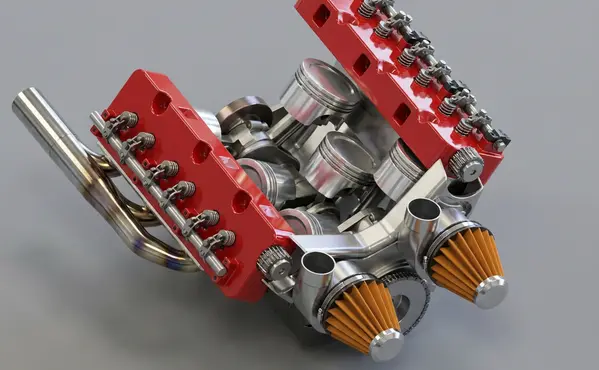
Modeled by CADSharp in Onshape. Rendered with RENDERCAD.
Add, change, or remove referenced objects with the stroke of a brush.
RENDERCAD uses a maintained selection of image-generation models for different rendering tasks. Results can vary by model and input, so compare generated output with the source design before relying on geometry, materials, or dimensions.
| Feature | RENDERCAD | Autodesk Fusion Render |
|---|---|---|
| Engine | Generative AI | Integrated ray-traced renderer with in-canvas, local, and cloud rendering |
| Output | Images + Video | Photorealistic still images captured in-canvas or rendered locally or in the cloud |
| Resolution | HD / 4K | In-canvas captures use the active canvas view; configured local and cloud renders support preset or custom image sizes |
| Image Speed | Image renders complete in 60 seconds. | Varies with scene complexity, image size, quality, render method, local hardware, and cloud processing |
| Video Speed | Videos complete in 2-5 minutes. | Primarily a still-image workflow; render duration depends on scene and quality settings |
| Scene Set Up | No separate local scene | Native Fusion design with appearances, texture mapping or decals as needed, environment, camera framing, and render quality |
| Input | Screen Snip | Fusion design geometry, assigned appearances, and the selected render camera or canvas view |
| Materials | 2,600+ Textures | Appearance overrides for components, bodies, and faces, plus texture controls, decals, and environment lighting |
| Backgrounds | 1300+ Backgrounds | Tool-dependent |
| Conditions | 40+ Effects | Tool-dependent |
| References | Up to 6 Per Render | Varies |
| Hardware | Cloud (None Required) | Autodesk Fusion desktop workflow with optional cloud rendering |
| Install | None | Requires Autodesk Fusion desktop access; cloud rendering also requires an internet connection |
| Cost | from $9/mo | Available with Autodesk Fusion access; cloud rendering requirements can vary by render settings |
Compare the workflows side by side and choose the one that fits the next task.
Skip a separate local scene build. Pick a condition, material, and background while RENDERCAD handles the image-generation step. Image renders complete in 60 seconds.
 ™
RENDERCAD™
™
RENDERCAD™
Use the browser workflow directly, capture a selected view with the desktop app, or start from the browser extension.
Get StartedCommon questions about RENDERCAD and this workflow
Yes. Request a golden-hour look and describe the mood or direction you want. The generated warmth, shadows, and light direction can vary between results, so compare important design details with the source image.
Describe an environment such as a sunny forest or urban street and use a reference image when needed. Image renders complete in 60 seconds without building a local scene file or environment map.
RENDERCAD's Create Video workflow generates a video from a single image and provides Camera and Product Motion controls. Videos complete in 2-5 minutes.
RENDERCAD can generate orbit-style motion from a single image using a Camera option. Because the motion is inferred rather than rendered from a complete 3D model, review geometry and hidden-side details before publishing the result.
Usually. Generation runs in the cloud, so it does not occupy a local renderer. Keep the relevant browser workflow available as required, and expect normal network and browser resource use while the job is submitted and results are loaded.
RENDERCAD processes generation in the cloud, so it does not require a dedicated local rendering GPU. You still need a supported browser and internet connection, and normal browser, upload, and download activity can use local device resources.
RENDERCAD avoids much of the scene, shader, and local-renderer setup used by traditional rendering tools. Users still need to prepare a useful source image, choose suitable options, describe the intended result, and review generated details.
RENDERCAD starts at $9/month with credits that refresh monthly - predictable costs with no upfront investment or perpetual license fees.
RENDERCAD is designed to create more polished, realistic-looking presentation images from a source view. Results vary by input and settings, and generated images should be checked against the original model before they are used to communicate exact design details.
RENDERCAD can generate a visual interpretation of a described or referenced material without requiring shader parameters. It does not guarantee physically measured or specification-accurate material behavior, so validate critical color, grain, reflectivity, and finish details against approved references.
Describe the wood species and finish you want, and provide a reference image when scale or grain direction matters. RENDERCAD can generate a wood-like visual treatment, but it does not replace model-level texture mapping or guarantee an exact, repeatable grain pattern.
With RENDERCAD, upload or snip a clear image, describe carbon fiber, and add a material reference when exact visual direction matters. Image renders complete in 60 seconds.
What RENDERCAD customers say