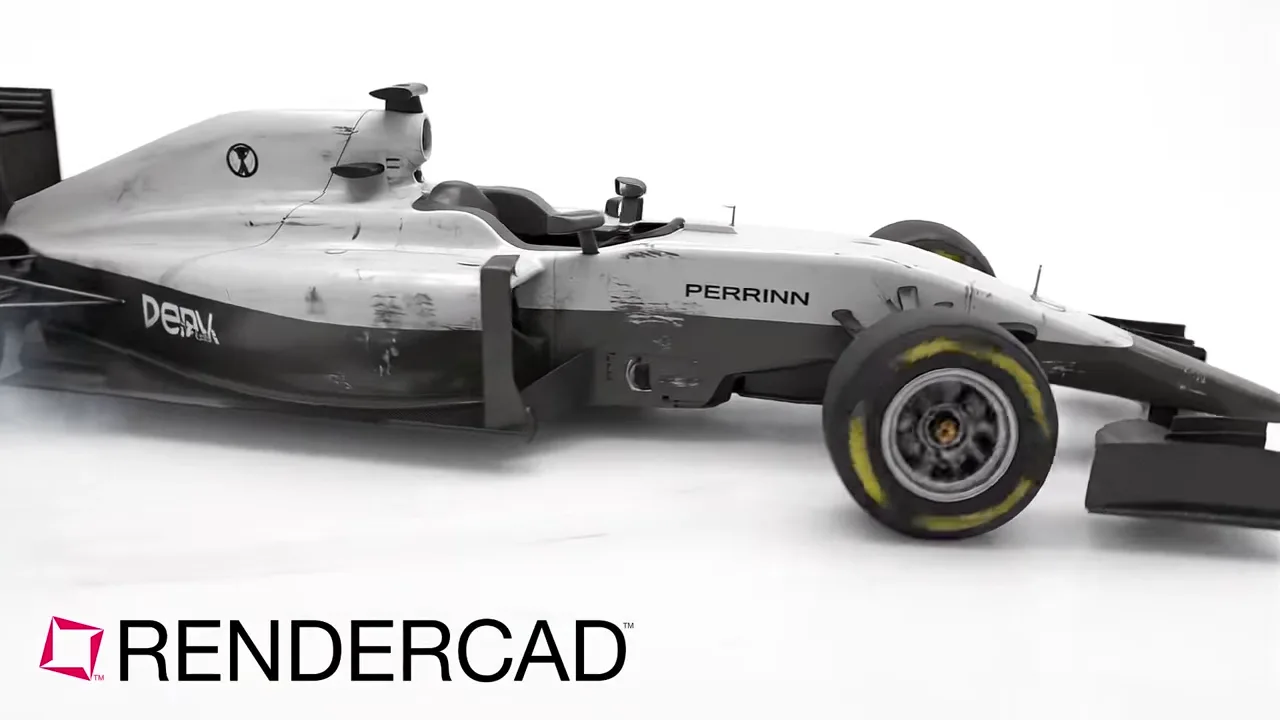
Develop ActCAD Standard drawing and model views into presentation visuals.
ActCAD Standard is a DWG and DXF-focused CAD workspace for precise 2D drafting, drawing review, and basic 3D model viewing. It is useful when a working plan, elevation, detail sheet, or model view must remain technically controlled while a separate image helps people understand the design intent.


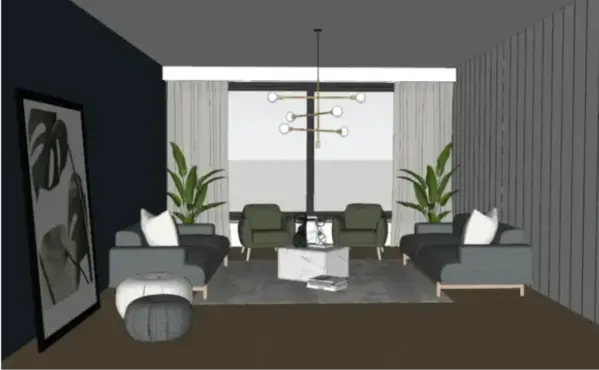
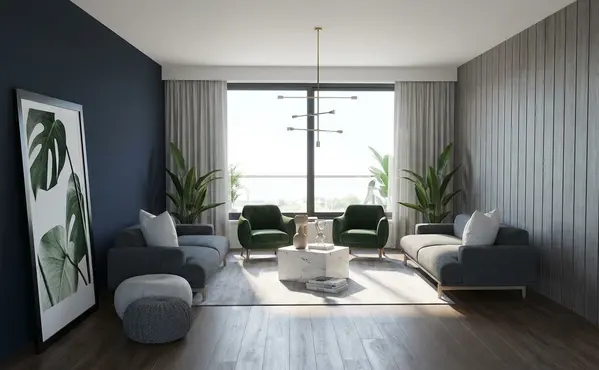
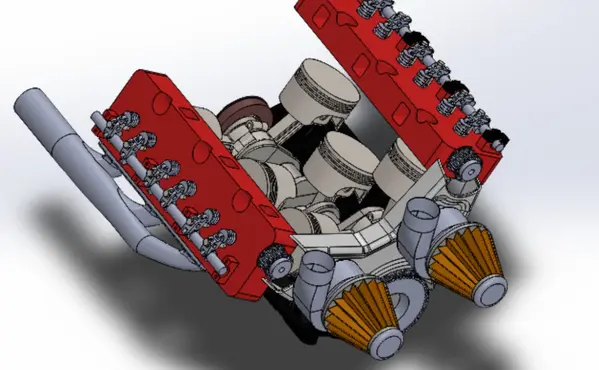
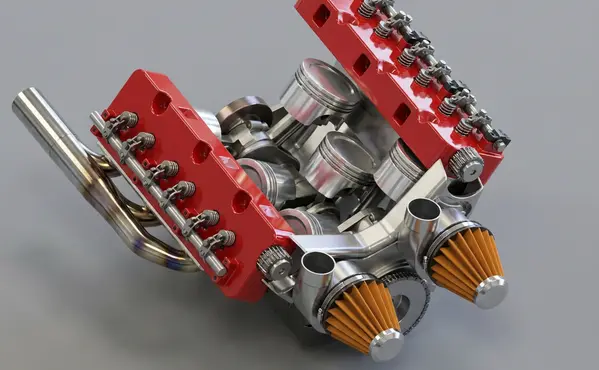


ActCAD Standard is a DWG and DXF-focused CAD workspace for precise 2D drafting, drawing review, and basic 3D model viewing. It is useful when a working plan, elevation, detail sheet, or model view must remain technically controlled while a separate image helps people understand the design intent.
ActCAD Standard is aimed at 2D drafting workflows while also allowing teams to open and inspect 3D models. That makes it a practical starting point for architects, engineers, designers, students, and drafting teams who exchange DWG or DXF drawings but need a more approachable visual for a client meeting, proposal, internal review, or early concept discussion. A clean plan can explain layout and circulation, an elevation can establish facade character, and a carefully framed 3D view can communicate massing, components, or spatial relationships. RENDERCAD can develop one of those prepared views into a presentation image with an appropriate material direction, lighting, setting, and visual tone. It is best used to explore the design story around an approved drawing or view, not to replace the drawing itself. ActCAD remains the source of truth for geometry, layers, dimensions, notes, scale, and any revision that must be issued or built from.
In ActCAD Standard, open the relevant DWG or DXF file and choose a single view with a clear communication job: a plan for layout, an elevation for exterior intent, a detail for a product or construction story, or a 3D view for form and context. Turn off layers that distract from that job, avoid selection handles and application panels, and retain a separate authoritative copy with dimensions and notes. Capture the clean viewport or a plotted sheet at useful resolution. In RENDERCAD, use the capture as the composition reference and describe the audience plus the intended scene, materials, lighting, and degree of realism. Review alternatives as presentation concepts, then make every drafting change, measurement decision, and final documented revision back in ActCAD. Developer documentation is available for teams planning automated workflows.
Modeled by CADSharp in Onshape. Rendered with RENDERCAD.
Add | Change | or Remove referenced objects with the stroke of a brush.
RENDERCAD uses a maintained selection of image-generation models for different rendering tasks. Results can vary by model and input, so compare generated output with the source design before relying on geometry, materials, or dimensions.
| Feature | RENDERCAD | Competitor |
|---|---|---|
| Engine | Generative AI | Varies by tool |
| Output | Images + Video | Varies by tool |
| Resolution | HD / 4K | Varies by workflow |
| Image Speed | Image renders complete in 60 seconds. | Varies by scene/tool |
| Video Speed | Videos complete in 2-5 minutes. | Varies by workflow |
| Scene Set Up | No separate local scene | Varies by workflow |
| Input | Screen Snip | Varies by tool |
| Hardware | Cloud GPU | Often local GPU/CPU |
| Install | None | Varies (web or app) |
| Cost | from $9/mo | Varies widely |
Read the numbers. We trust you to know theirs.
Skip a separate local scene build. Pick a condition, material, and background while RENDERCAD handles the image-generation step. Image renders complete in 60 seconds.
 ™
RENDERCAD™
™
RENDERCAD™
Use the browser workflow directly, capture a selected view with the desktop app, or start from the browser extension.
Get StartedCommon solutions for ActCAD Standard users
The current desktop app or browser extension can capture a selected viewport region and send that screenshot into the image workflow. The web upload path remains available without a CAD plugin.
Choose a background or describe the intended environment and lighting. Generated reflections and illumination are visual interpretations, not a scene-based light simulation.
4K is an optional output-resolution step. It increases pixel dimensions but does not restore missing source detail or guarantee print suitability.
It guides the video toward a looping transition. Review continuity after export because the first and last frames may still need editing.
A photo of an actual sample or color chip can guide the palette. Verify final color in a color-managed workflow rather than treating generated output as a color match.
Masking lets you target a region of a CAD screenshot, real photo, or hand drawing with a reference image or instruction. Generation can still affect other regions, so inspect the full result.
When a client provides an image they are authorized to use, attach it with a concise instruction describing the relevant lighting, material, palette, or composition. Review the generated interpretation with the client.
Describe the intended anodized color and matte or satin finish, then review the generated metal appearance against an authorized material reference when color and finish matter.
Choose the Dusty condition and describe the intended atmosphere. Generated dust is illustrative, so review how it affects important product details.
Start from an image that clearly shows the existing separated components, then choose the Exploded View product motion. Review the clip against the source because generated motion can alter part boundaries or relationships.
Use the RENDERCAD Overlay to capture a clear viewport without rebuilding a separate render scene. Image renders complete in 60 seconds.
Yes. A current desktop capture app and browser extension are available, and the browser upload workflow remains available without either tool.